
Which Masonry Paint Is Best For Me?
We’ve all used paint indoors, but painting the outside of your house is less common, so naturally it comes with a bit more to think about. Our homes here in the UK need to stand up to the weather all-year round, so choosing the right paint is essential.
In this guide we’re going to take you through the types of masonry paint available and how to decide which one is best for you, so you can start your project on the right foot.
What Is Masonry Paint?
So, let’s start with what exactly masonry paint is. Masonry paint is specifically designed for exterior walls. Unlike interior paints, it needs to adhere to rough surfaces while resisting high levels of moisture and everything else the Great British weather has to throw at it.
When choosing a masonry paint, there are a few key things to think about:
1. Formulation
Not all masonry paints are made the same. There are a number of types of formulations that all impact how long the paint lasts, how well it protects your walls and everything in-between. The main types of masonry paint you will encounter are:
- Acrylic masonry paint – this is the most common type of masonry paint which are flexible, affordable and widely available. These masonry paints have a standard level of performance in appearance, breathability and durability, typically lasting between 1-10 years.
- Silicone masonry paint – a more technologically advanced form of masonry paint which has extremely high levels of water repellency and breathability. This combination results in the risk of damp, peeling paint and other moisture related problems being significantly reduced, providing extreme durability.
- Limewash – a traditional, natural option made with lime and water. Highly breathable, but does naturally wash away meaning it doesn’t keep the walls dry and requires regular reapplication.
- Oil-based masonry paint – once common but now much less popular. Creates a tough weather resistant finish but with very low breathability, meaning it is generally reserved for specialist scenarios.
| Acrylic Masonry Paint | Silicone Masonry Paint | Oil-Based Masonry Paint | Limewash | |
|---|---|---|---|---|
| Breathability | Moderate | Very high | Low | Very high |
| Weather Resistance | Moderate | Very high | High | Low |
| Durability | 1-10 years on average | 25 years+ in some cases | 5-10 years on average | 6-18 months on average |
| Best For | General use, budget friendly | Long-term protection | Specialist use, winter application | Eco-friendly option |
| Main Drawback | Quality varies | Higher upfront cost | Traps moisture due to poor breathability which can lead to damp | Washes away, often annually |
2. Texture
Masonry paint also comes in two broad forms:
- Smooth masonry paint – the go-to option for the vast majority of homes, offering a completely smooth finish.
- Textured masonry paint – often compromises of a smooth masonry paint with added aggregate to create a textured finish while painting. Can often be harder to apply, which is why many people repair the texture first, then apply a smooth masonry paint.
Factors To Consider When Choosing A Masonry Paint
When deciding which masonry paint is best for your home, there are a few things to think about:
- Finish – most masonry paints in the UK are matt finishes, which works best for exterior walls. There are also eggshell options available, usually reserved for smaller details like plinths and sills.
- Breathability – the most important trait in a masonry paint if you want to keep exterior walls dry and prevent damp. Look at the paint’s SD value, the lower the number the higher the breathability and the better for your home.
- Weather protection – check how the paint resists moisture, UV and organic growth. Often paints say they are weatherproof, but this doesn’t mean they actively repel water. To provide the best weather protection, a masonry paint must be able to repel water to prevent it soaking into the wall.
- Longevity – also known as durability, the longevity of a masonry paint depends largely on how it handles moisture. If a paint traps water in the wall, it will start to peel. That is why paints that are highly water repellent and highly breathable last much longer than the typical masonry paint.
- Value for money – The true cost of paint isn’t just the price of the tin, but how effective it is long-term. A cheap paint that peels after a few years will cost more over time.
Which Masonry Paint Is The Best?
Choosing the best masonry paint for you depends on what you need from it.
A good paint should tick all the boxes it should be highly breathable, resist moisture from rainfall effectively and last long-term without peeling to give you real value for money.
The reality is, many standard masonry paints only do part of the job. Oil-based paints are effective at resisting rain but lack breathability, which risks trapping moisture in your walls. Limewash has the opposite issue, offering breathability but washing away quickly. Acrylic masonry paints sit somewhere in the middle – affordable, with better breathability than oil-based options and more weather resistance than limewash, but often needing reapplication within a few years.
Silicone masonry paint combines the best of both worlds without the compromise – extremely high resistance to the elements and excellent breathability, which means your walls stay dry inside and out.
Learn more: The importance of breathability
Why We Developed Emperor Masonry Paint
Like all paints, silicone masonry paints all vary. We wanted to create the ultimate masonry paint that performed to the highest we could achieve. The result was Emperor Masonry Paint.
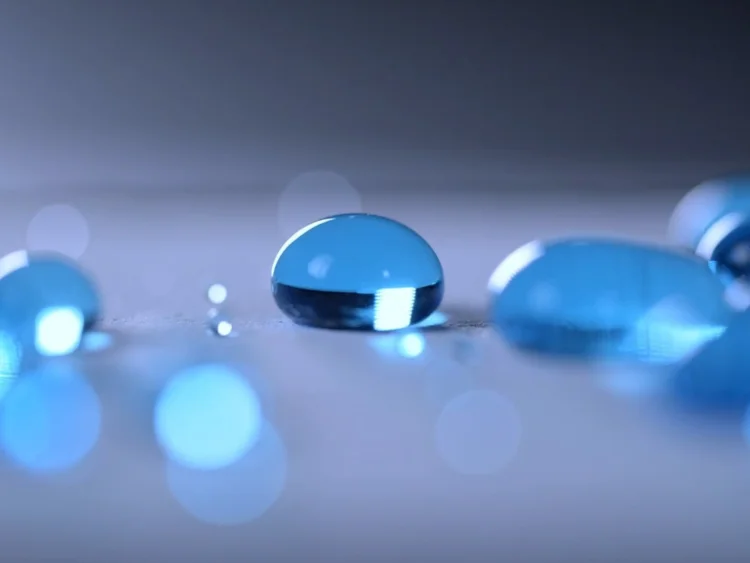
We used a silicone-based formulation but developed what we call ‘nano technology’ to ensure the paint achieved something unique. This technology lines the pores of the wall at a microscopic level, creating what’s known as a super hydrophobic surface. In simple terms, it means rain when it hits the paint forms a bead of water that simply rolls off the wall.
The key is, unlike traditional waterproofing products like sealers that aren’t breathable, by lining the pores rather than sealing them, water vapour can pass through and easily escape.
We believed we had developed the best masonry paint, but we wanted independent proof.
We took Emperor Masonry Paint to a UKAS accredited laboratory to complete a series of tests. The results showed:
- 25 year durability – there were no signs of peeling, flaking, fading or deterioration or change in performance after 25 years of accelerated weathering.
- 96% reduction in water absorption compared to untreated walls.
- No impact on breathability – with an SD value of 0.03, on par with limewash.
- Improved thermal performance – walls stayed on average 6°C warmer than uncoated walls
To go even further, Emperor Masonry Paint was awarded the BBA Agrément Certification, one of the most rigorous approval processes in the UK construction industry.
This is why we offer a lifetime guarantee on our exterior masonry paint. The results of the tests demonstrate that Emperor Paint will far exceed the 25 year proven performance period, meaning your home is protecting for a lifetime with Emperor.
If you have more questions, we are here to help with our in-house team of experts. You can chat to them by emailing [email protected].
Ready to start? Take our handy quiz to get personalised recommendations and find the right products for your project in a few clicks.
This article was written by the Emperor Technical Team, a group of experts with an average of over 25 years experience in the building industry. They work daily with homeowners, tradespeople and specification professionals to deliver practical, expert guidance that promotes long-term results, supports wall health and helps create homes that are prepared for the future.