

Why Masonry Waterproofing Is Crucial
Waterproofing is a hot topic here in the UK due to the Great British weather that our homes must endure. That is why waterproofing masonry is one of the things we get asked most about from homeowners. To answer all of the questions you may have and the ones you may not have thought about we have put together this guide containing everything you need to know.
In this guide we will cover:
- What is Masonry?
- Why is waterproofing masonry important?
- Does paint waterproof masonry?
- How can you waterproof masonry?
- How to apply Emperor masonry products?
What Is Masonry?
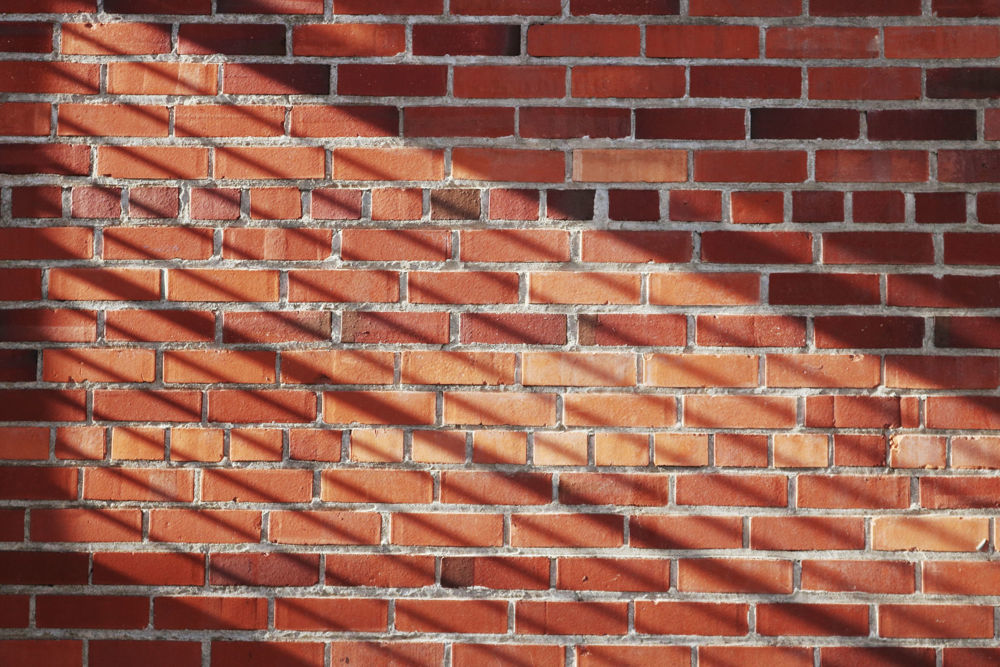
Masonry is the formation of by interlocking units that are held together by mortar. Masonry can comprise of a range of building materials such as brick, stone or blocks.
Bare, natural masonry is often chosen for its natural beauty, however this can often be compromised long-term if they aren’t protected from the elements.
Why Is Waterproofing Masonry Important?
While masonry walls are a strong and stable form of building structure, like all exterior building materials they are prone to the elements. Contrary to popular belief, masonry is not waterproof. This is because all masonry surfaces have some level of porosity, meaning they can absorb moisture.
The level of porosity can depend on the type of material used. For example, engineering bricks have a lower porosity level than a sandstone block, meaning they will absorb less moisture and generally be less prone to problems. Having said this, all masonry surfaces are porous to some extent and will absorb moisture.
Masonry walls absorbing moisture is a process called penetrating damp, which occurs when water from driving rain hits the masonry and soaks through into the wall. This water can also be caused by leaks from the roofline which cause a consistent flow on water to run down the masonry.
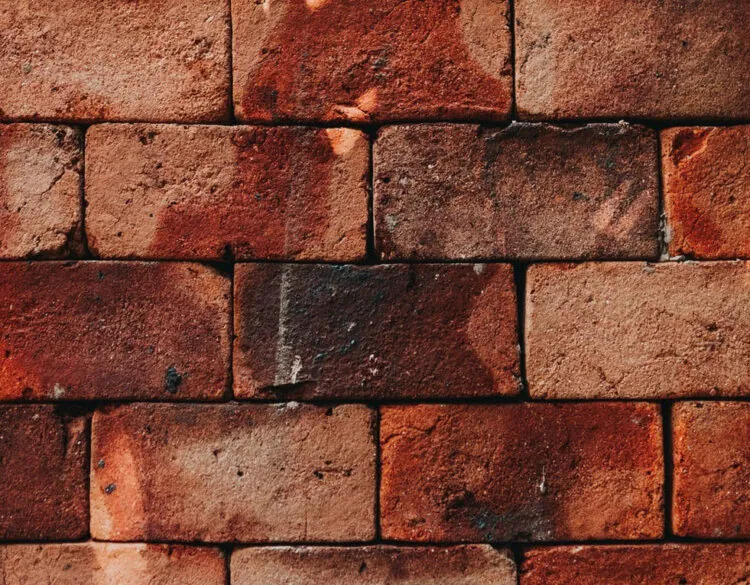
Penetrating damp can affect both solid wall and cavity wall properties. In solid walls, moisture can move straight from the exterior to the interior, causing damp and mould problems. Cavity walls were designed to prevent this by creating a gap between the two walls, but poorly fitted cavity wall insulation can create a moisture bridge. The insulation itself can also become saturated, losing its insulation ability and often needing to be removed once compromised.
Beyond internal damp issues, penetrating damp and a lack of waterproof masonry protection can also impact the appearance and overall performance of exterior walls.
Organic Growth
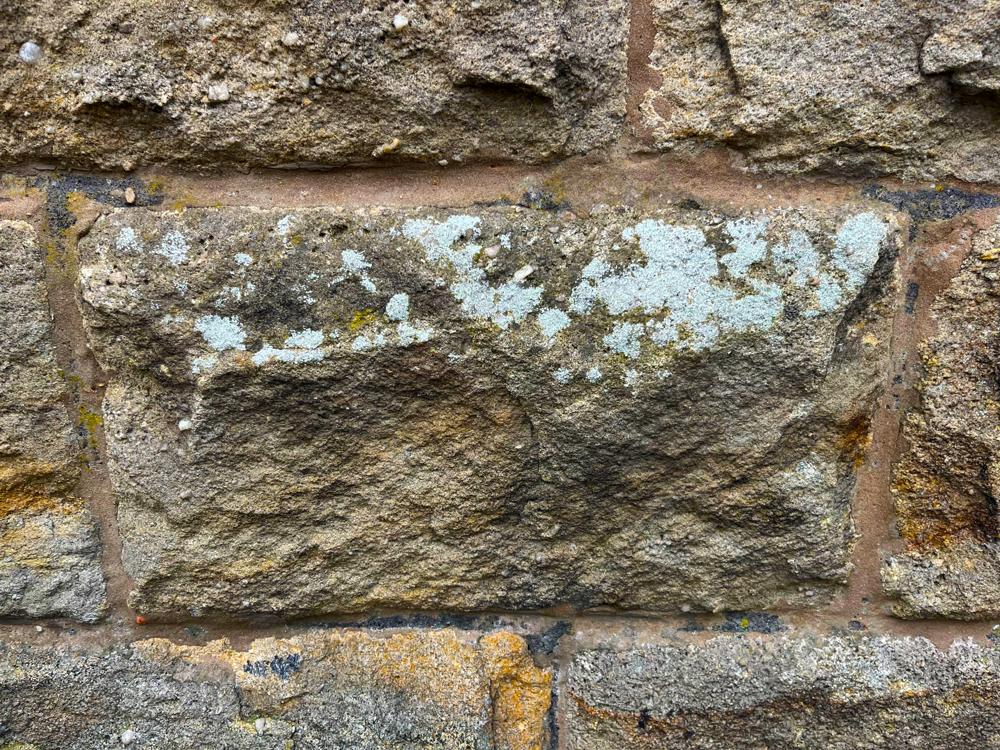
Organic growth such as mildew, lichens or algae are examples of fungus that can bloom in damp conditions, especially where there is low levels of sunlight. When masonry comes saturated it can provide the perfect conditions for organic growth to develop, leading to large amounts of green discolouration forming. While you can remove organic growth from masonry, it will continue to grow until the source of the moisture is prevented.
Damage
You may not know but cracked masonry and other defects are often directly caused by moisture. When water enters a wall it can undergo what is known as a ‘freeze-thaw cycle’ when temperatures drop. When this water freezes it expands, causing movement within the masonry. This movement results in cracks opening up within the wall under the pressure, which allows more water to enter the masonry and continues the damage cycle.
Spalling bricks can also be caused by this movement of moisture, causing the face of bricks to crumble away. This exposed the face of the brick and causes the brick to become more porous, up taking even more moisture and continuing the cycle.

Heat loss
One of the lesser-known causes of damp exterior walls is heat loss, but in today’s energy climate this is potentially the most harmful impact of penetrating damp.
In short, wet walls mean cold walls. Just like wearing wet clothes causes us to lose heat, the same occurs with our masonry walls. To be exact, damp content of just 5% can lower the insulating properties of a material by 50%. With 35% of heat loss in our homes occurring through the exterior walls, if these are wet they can lead to significant heat loss and higher energy costs.

Efflorescence
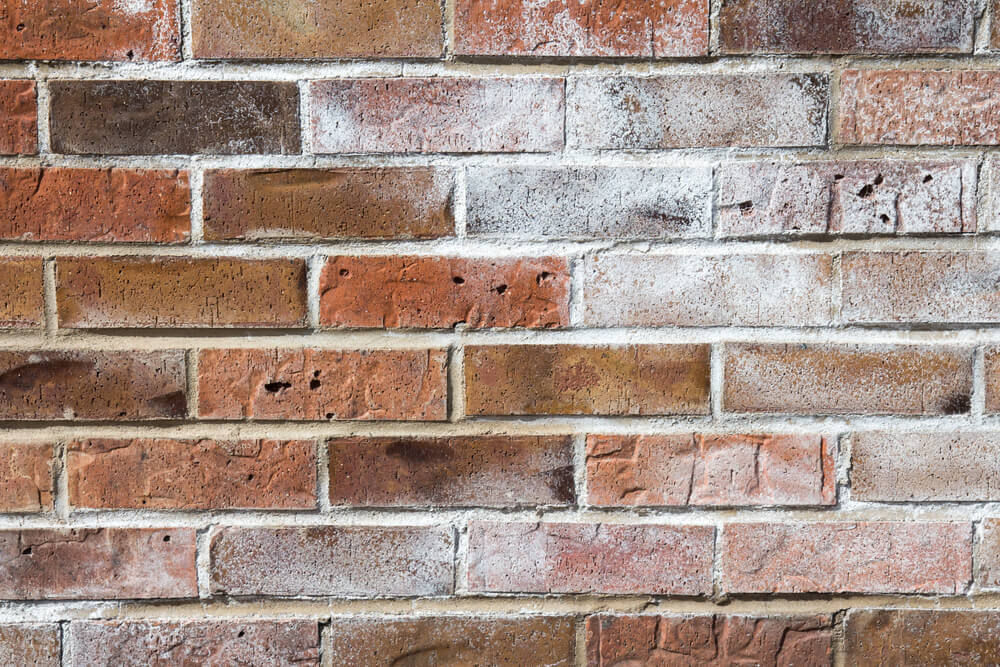
Efflorescence also known as salt efflorescence, which is caused by penetrating damp. When moisture enters the masonry it dissolves the salt within the brick and mortar. When this moisture then evaporates it draws these salts out of the masonry and to the surface, depositing this on the face of the wall.
While efflorescence itself is not harmful for your home, it can cause a real eye-sore on natural masonry. More importantly, it is also a sign that water is absorbing into your exterior walls and could eventually lead to damp and damage.
Does Paint Waterproof Masonry?
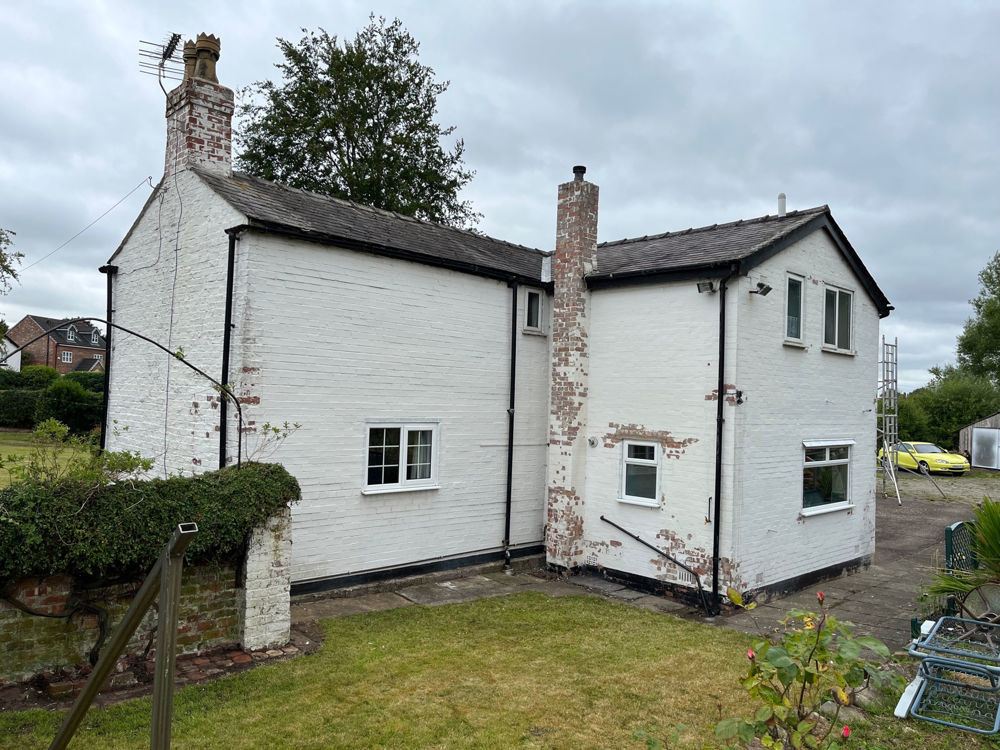
Painting masonry will reduce water absorption, especially on highly porous masonry surfaces. The truth is however, standard masonry paints are not waterproof meaning just like bare masonry, they will absorb moisture over-time.
The other problem standard masonry paint causes is that it reduces the breathability of the masonry. Standard masonry paints are generally acrylic-based which gives them poor breathability. While they do breathe somewhat, they often do not breathe quickly enough to release the moisture that is gathered over-time.
This means that once water inevitably builds-up underneath the paint it cannot escape and naturally breathe out of the wall. This causes the moisture to continue to gather, causing all of the problems bare masonry suffers from, eventually resulting in the paint failing.
This is the primary cause of paint failure in the UK, which is why especially in coastal and rural areas that get large amounts of bad weather, masonry paint can fail within 1-2 years.
How Can You Waterproof Masonry?
The first step when waterproofing masonry is to address any underlying structural issues with the property. Cracks in the masonry, leaking gutters and other faults will all contribute to moisture to enter through the masonry.
Once your property is structurally sound, you have two options in terms of waterproofing the exterior walls. You can either use a masonry cream or a masonry paint, but whatever product you use must be waterproof and highly breathable.
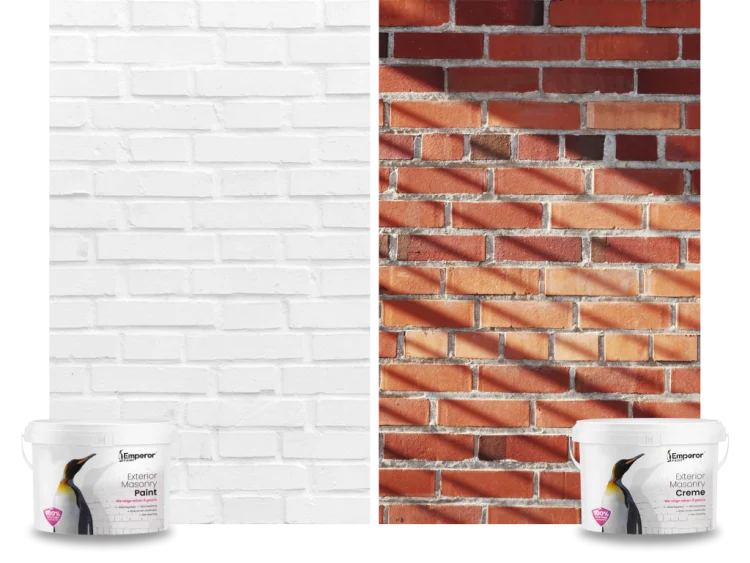
Emperor Masonry Creme and Emperor Masonry Paint have been developed using nano-technology in order to create what is known as a ‘super hydrophobic’ surface on exterior walls. This completely repels water and causes it to form beads that simply roll off the wall before it can soak in to the masonry. It achieves this while also remaining highly breathable, ensuring walls can naturally breathe and stay dry.
The two products offer two different finishes, with Emperor Masonry Creme offering an invisible finish for any bare, natural masonry surface and Emperor Masonry Paint offering a coloured, painted finish for bare surfaces or previously painted surfaces.
How Do You Apply Emperor Masonry Products?
Preparation
The key to any decorating project is preparation, especially when you are applying exterior products as they must endure lots of weathering over-time.
- Fill any cracks or holes with suitable exterior filler.
- Fix leaks from gutters or downpipes.
- Clean the surface using a pressure washer (low pressure), hose, or stiff brush with hot water.
- Apply Emperor Exterior Cleaner with a brush, roller, or sprayer to kill existing or hidden organic growth.
If using Emperor Masonry Paint:
- Remove any loose or peeling previous paint.
- Prime bare masonry only.
- Apply Emperor Exterior Primer at 5–8m²/L and allow 3–5 hours to dry.
If using Emperor Masonry Creme:
- Remove all previous paint.
- Do not use primer, as it prevents the creme from soaking in.
Applying Emperor Masonry Paint
Before starting:
- Ensure temperature is above 5°C.
- Check for dry weather and ensure the wall is dry to the touch.
- Stir paint thoroughly with a paddle.
Application:
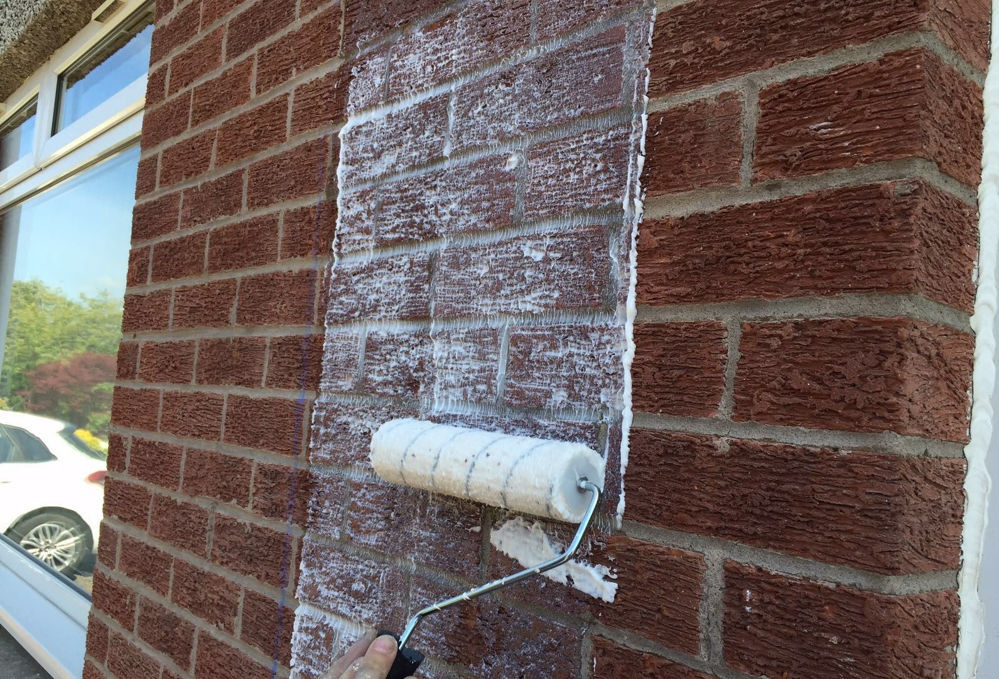
- Use a brush and long-pile roller (or airless sprayer).
- Apply the first coat: 5–6m²/L on smooth surfaces or 2–3m²/L on rough surfaces
- Work from top to bottom to avoid drips.
- Allow 8 hours drying time at 20°C (longer if colder).
- Apply the second coat in the same way.
Find out more: How to apply
Frequently Asked Questions
How often will I need to re-waterproof the masonry?
Emperor Masonry Paint and Emperor Masonry Creme have both been designed for long-term durability in all weather conditions. In independent testing both masonry waterproofing products were found to withstand harsh weather conditions for 25 years without showing any signs of deterioration in performance or appearance. Due to this, they will likely exceed this 25 year proven performance, which is why we offer a lifetime guarantee.
Why is standard masonry paint not waterproof?
The reality is, while many masonry paints claim to be either waterproof, weatherproof or water-resistant, these will often up take moisture over-time and aren’t completely waterproof. This is because they are acrylic-based and acrylic resins can absorb moisture. To be waterproof a product must be water repellent and thus prevent water from soaking into the surface. These acrylic-based masonry paints also have poor breathability, which contributes to high levels of moisture.
In contrast, Emperor Masonry Paint is silicone-based with high-quality resins, which allows it to outperform standard masonry paints in everything from finish to durability.
How do Emperor Paint products prevent heat loss?
As we previously mentioned, wet walls result in cold walls. In independent testing a masonry wall that was treated with Emperor Masonry Paint and a masonry wall treated with Emperor Masonry Creme were both found to be 6°C warmer on average when compared to a masonry wall that was left untreated.
We hope we have answered any questions you may have had regarding masonry waterproofing and how to go about protecting your home from moisture. If you have any other questions our team of experts are on hand to assist you no matter your problem. Contact them today by emailing [email protected] or calling 01254 936121. Alternatively, shop Emperor Masonry Paint or Emperor Masonry Creme today and get free delivery on all orders.


