

The Ultimate Guide To Anti-Condensation Paint
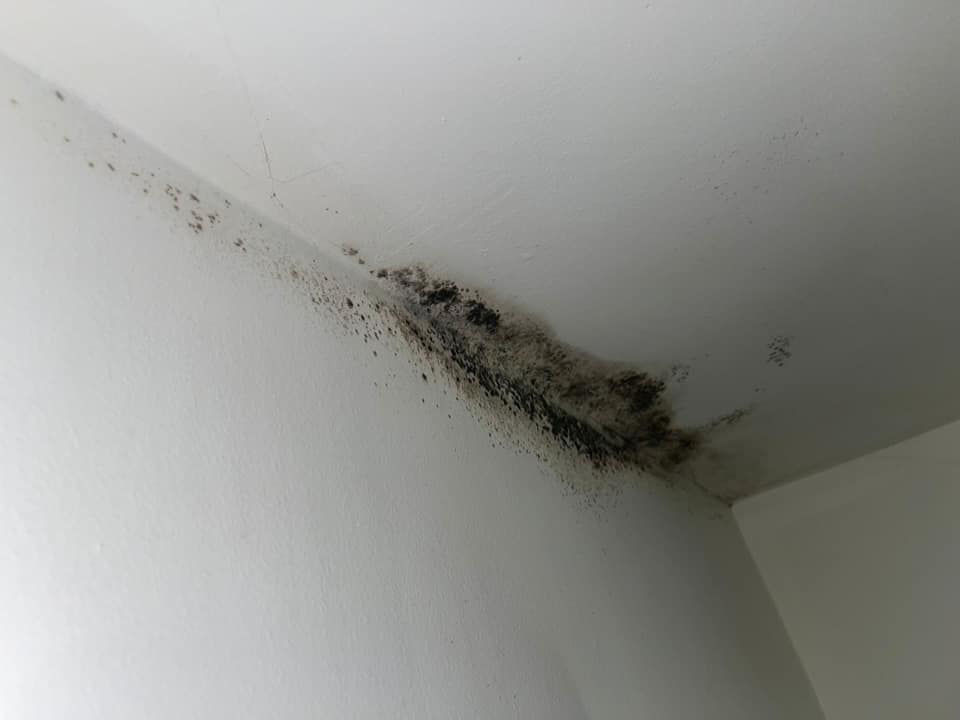
Are you suffering from damp and condensation issues in your home and looking to find a long-term permanent solution? There is a wide variety of treatments on the market that are designed to achieve a variety of things, which is why our experts have put together this ultimate guide to anti-condensation paint.
In this guide we will cover:
- Understanding damp & condensation
- How to treat damp problems
Understanding Damp & Condensation
Damp is caused when a building is suffering from water ingress, which is saturating the building materials of the structure. Damp can be caused by moisture originating from one of any number of areas, including the roof, exterior walls or the internal environment of the property. This is why there are three broad types of damp; rising damp, penetrating damp and condensation.
Rising damp
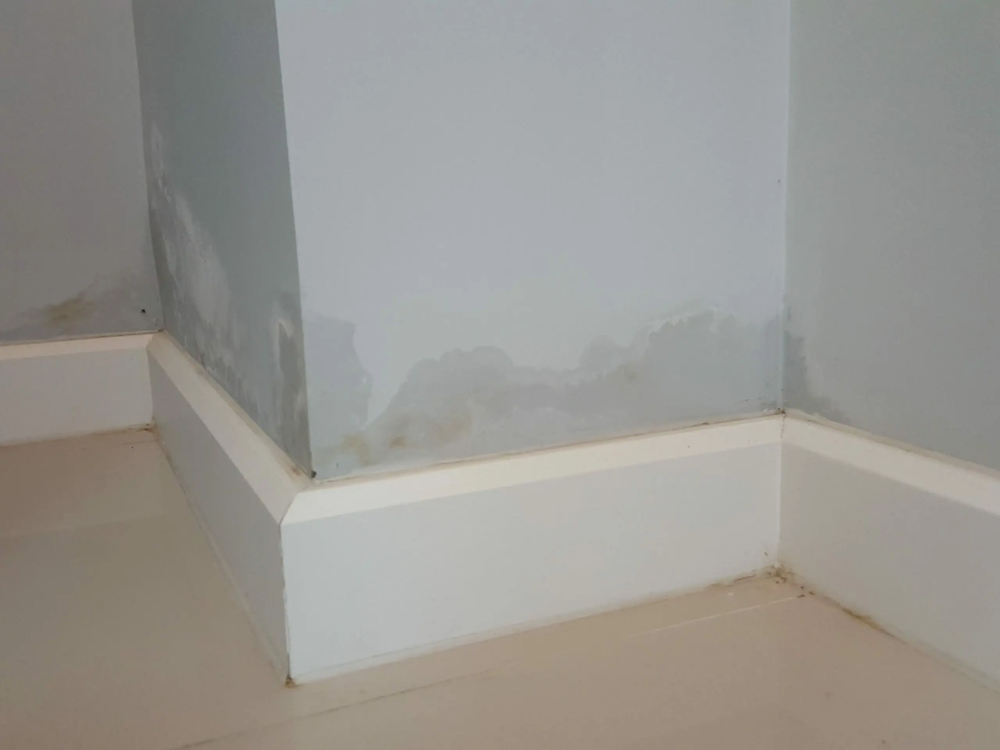
Rising damp is caused when moisture from the ground travels up through the external walls of a property through a process called ‘capillary action’. This rising damp is made possible when a damp proof course (DPC) is either missing or failing. Without the water resistant barrier that a damp proof course any moisture from the ground can be soaked into the bottom layer of the wall. You can identify rising damp as it starts at the ground-level of a property, causing rotting skirting boards and damp patches on interior plaster which continues to rise up the wall.
Penetrating damp
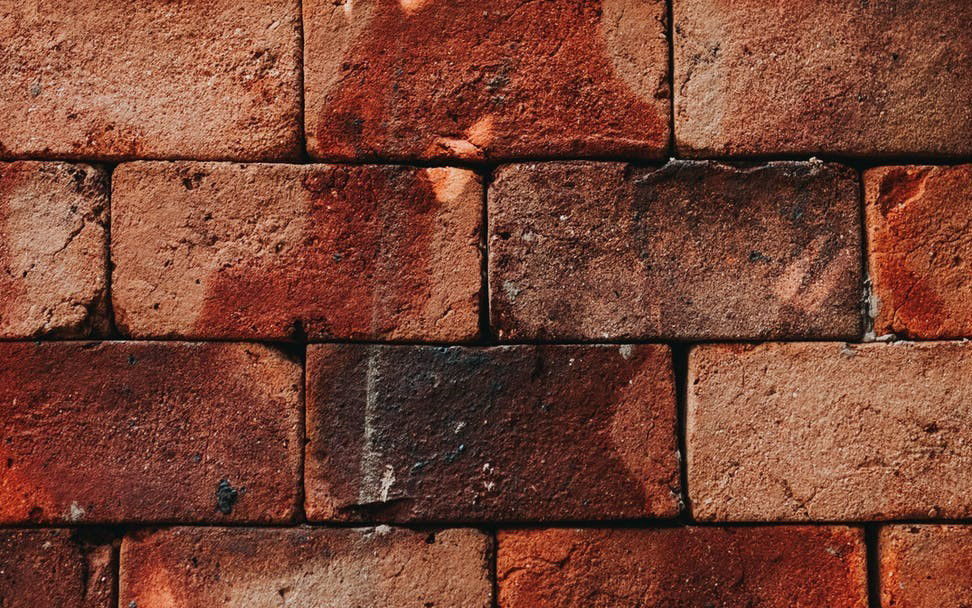
Penetrating damp is caused by an external source of moisture like rising damp, however penetrating damp is caused by water from wind-driven rain soaking through the external wall of a property. Contrary to popular belief, exterior masonry walls are porous, meaning they can absorb moisture. Eventually, the moisture makes its way into the internal wall of a property causing large-scale damp problems. Penetrating damp can be identified by fungus and discolouration on external walls, internal mould and by any signs of damage to the external wall like cracked bricks or crumbling mortar.
Condensation
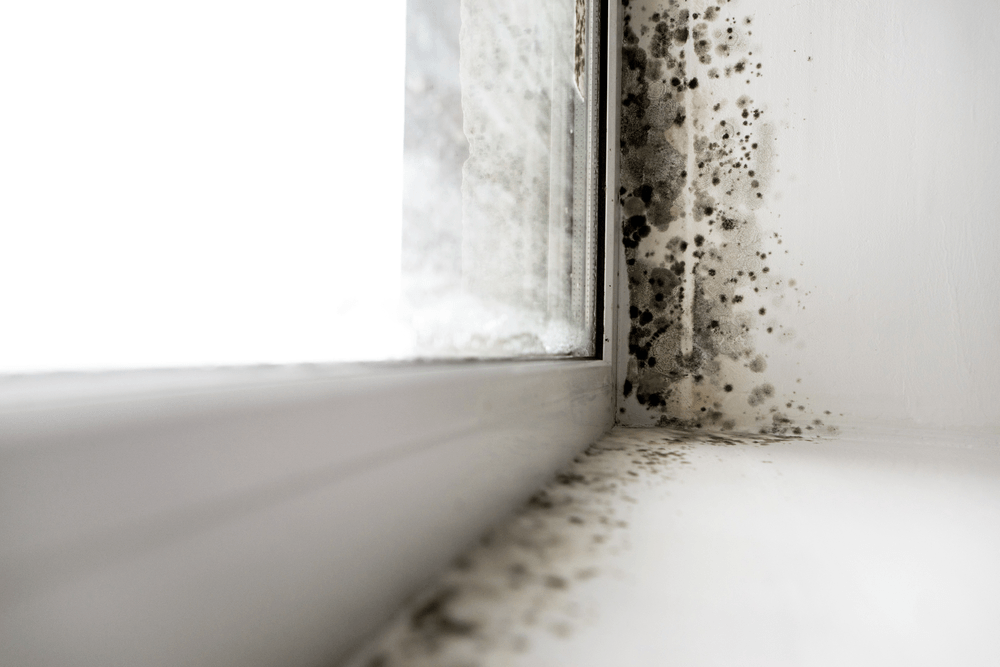
Damp can not only be caused by an external source of moisture, but also by an internal source of moisture. Through the day-to-day living within our homes such as dryers and showers, a large amount of condensation is created. This condensation can be caused by poor ventilation or due to in high humidity such as in kitchens or bathrooms. Black mould is the key indicator of damp caused by condensation, as well as water collecting on windows.
How To Treat Damp Problems
Rising damp
Rising damp treatment involves either implementing or repairing a damp proof course (DPC) on the property. A damp proof injection cream is inserted into holes across the bottom layer of the building, which create a water resistant layer to prevent the transfer of moisture from the ground. This is a difficult project to undertake, so it is recommended that you contact a damp expert if you have identified that rising damp is the likely course of problems.
Penetrating Damp
Moisture absorbs into external walls when the masonry is bare or painted with a non-waterproof coating. This can be prevented by applying a waterproof product, but it must also be highly breathable, otherwise, trapped moisture can cause internal damp. Low-breathability products, such as brick sealers and many oil or acrylic masonry paints, don’t meet the required SD value of below 0.5.
You can choose either a breathable masonry cream or a waterproof masonry paint. Masonry paint gives a coloured finish, while masonry cream is invisible on bare brick or masonry. Both Emperor Masonry paint and Emperor Masonry Creme have a super hydrophobic, breathable surface that prevents penetrating damp, protects the substrate and stops internal walls from becoming saturated.
Both treatments thanks to their highly advanced technology come with a lifetime guarantee, as during independent 25 year testing they were found to perform in harsh weather conditions for a minimum of 25 years without affecting performance or appearance, meaning they will likely far exceed this life span.
 Condensation
Anti-mould and anti-damp paints contain biocides which kill black mould before it can begin to bloom on the surface of interior walls. These products while they can be effective do not prevent the root-cause of the moisture, which is the condensation. Furthermore, they generally cannot be painted or overcoated as they must work on the surface of the wall.
In contrast, anti-condensation paint and thermal insulating paint work to prevent the formation of condensation in the first place. These paints achieve this by absorbing and holding heat longer than standard emulsions, meaning condensation cannot form on the surface of the wall as it is evaporated away. These anti-condensation properties make these treatments highly effective for bathrooms, kitchens and cold rooms where condensation can easily form due to the cold walls.
Frequently Asked Questions
Will anti-mould prevent condensation?
Anti-mould paints contain a fungicidal additive which kills black mould when it begins it bloom on the surface of the painted wall. This additive does not prevent the formation of the condensation however, so is not always an effective solution at reducing black mould growth in the long-term, which is why anti-condensation paints are generally recommended for condensation related issues.
Will anti-condensation paint prevent damp patches from leaks?
While the warmer surface of the anti-condensation paint prevents cold walls which are more likely to allow condensation to develop, if there is an internal leak this level of moisture will lead to damp problems if not addressed.
What is the best way to keep walls free from damp?
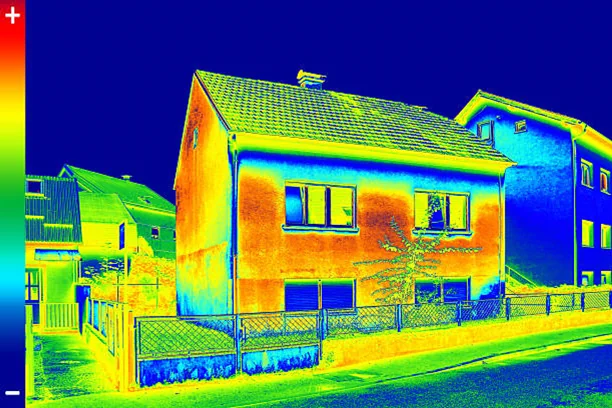
The best way to keep walls free from damp is to protect both the inside and outside of your home. Apply a highly breathable waterproof masonry paint to exterior walls to stop penetrating damp, and use a thermal, anti-condensation paint on interior walls prone to moisture. This prevents moisture build-up on both sides of the wall and improves energy efficiency, as dry walls retain heat far better than damp ones.
Is black mould dangerous?
In short, black mould can be a detrimental effect on the health of inhabitants of a property. As stated on the NHS website, “if you have damp and mould in your home you’re more likely to have respiratory problems respiratory infections, allergies or asthma”. The elderly, young children and those with existing medical conditions can be particularly prone to problems.
What are some easy ways to identify what type of damp I have?
All damp requires moisture, but the source varies. Rising damp appears only at the base of walls and moves upward. Penetrating damp shows on external walls at any height, often where brickwork is cracked, paint is peeling, or walls are visibly wet. Condensation causes mould and moisture on cold surfaces, especially behind furniture and in bathrooms or kitchens.
We hope we have answered any questions you may have had regarding anti-condensation paint. If you have any other questions or would like advice identifying what the best solution for you is, feel free to get in touch with our team of experts who are on hand to assist you. Contact them today by emailing [email protected] or calling them on 01254 936121.


