
Painting Exterior Brick The Right Way – The Ultimate Guide
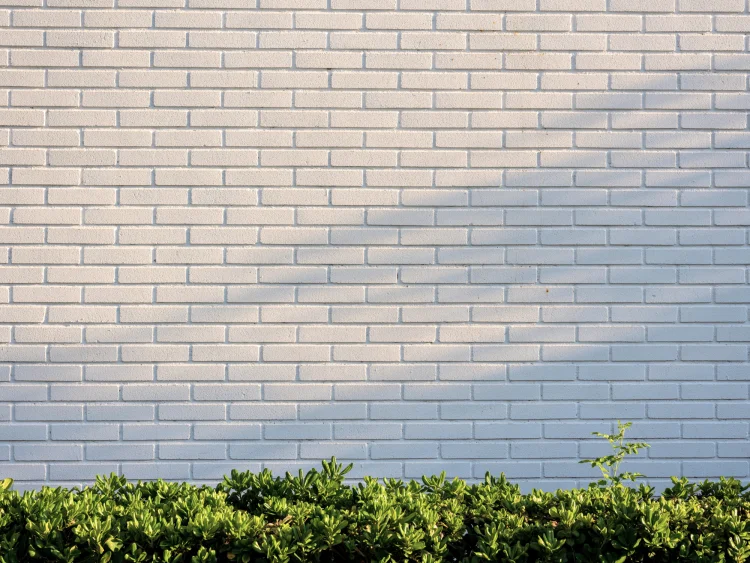
Painting exterior bricks is one of the most effective ways to boost your home’s kerb appeal.
To get results that last however, you need a paint designed for the needs of your home and to take the right steps to prep the surface beforehand.
In this guide, our Technical Team explains:
- Whether painting exterior bricks is a good idea
- The differences between masonry paints
- How to get the best results
Is Painting Exterior Bricks A Good Idea?
Painting your exterior bricks gives your home a fresh, new look, but how beneficial it is for the performance of the wall depends on the paint. Once bricks are painted, it’s difficult to reverse.
The biggest issue is water. Bricks are porous, meaning they absorb and release moisture naturally.
When traditional paints are applied, moisture can get trapped inside the wall, leading to peeling, damp and damage to the bricks themselves.
This is why paint on exterior walls often fails within a few years.
This does not mean all paints will cause problems. Painting brick walls is safe when you use the right products that work with your home, not against it.
Choosing The Best Paint For Exterior Bricks
If you want your painted brick to last, it’s important to find a paint that performs.
Exterior walls face constant exposure to rain, particularly in the UK where our homes see rain 156 days a year, according to the Met Office.
That level of moisture means the wrong paint can not only let water into the wall, but trap it within. The key is for a paint to prevent water from entering the wall, while still maintaining natural breathability.
There are a number of forms of masonry paint to choose from, each with different levels of weather protection and breathability.
| Acrylic Masonry Paint | Silicone Masonry Paint | Oil-Based Masonry Paint | Limewash | |
|---|---|---|---|---|
| Breathability | Moderate | Very high | Low | Very high |
| Weather Resistance | Moderate | Very high | High | Low |
| Durability | 1-10 years on average | 25 years+ in some cases | 5-10 years on average | 6-18 months on average |
| Best For | General use, budget friendly | Long-term protection | Specialist use, winter application | Eco-friendly option |
| Main Drawback | Quality varies | Higher upfront cost | Traps moisture due to poor breathability which can lead to damp | Washes away, often annually |
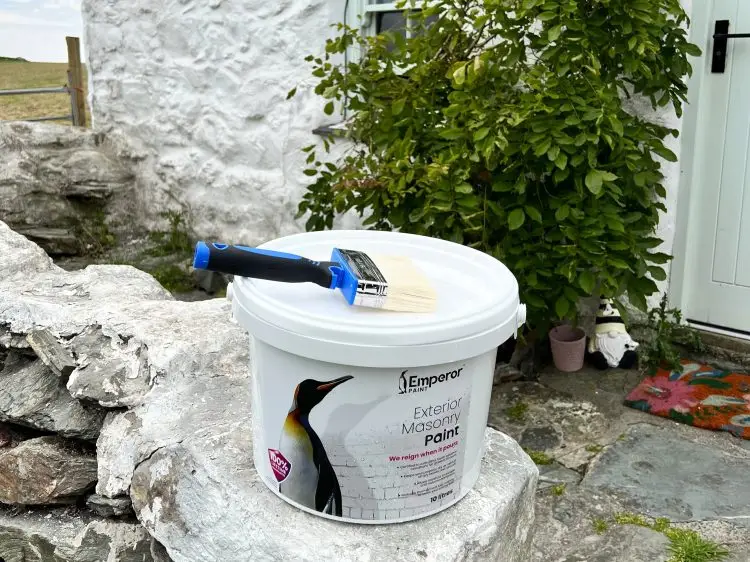
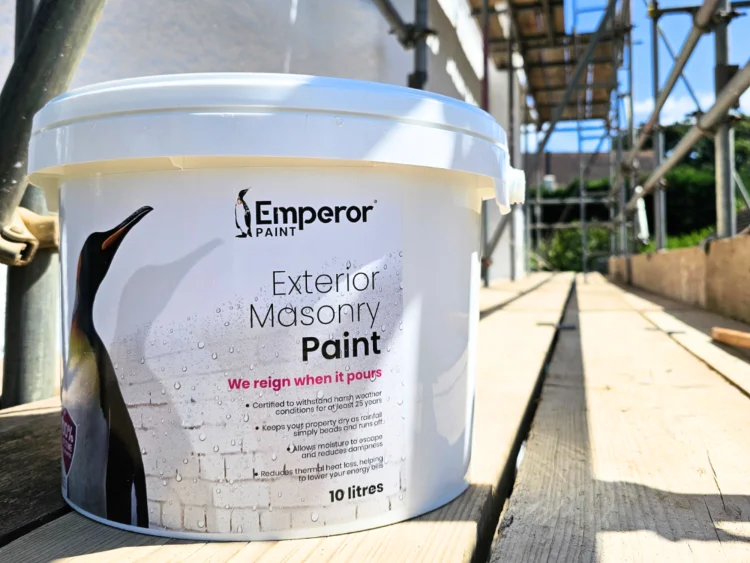
Emperor Masonry Paint combines silicone chemistry with cutting-edge nano-technology to provide ultra high-breathability and water protection by creating a super hydrophobic surface.
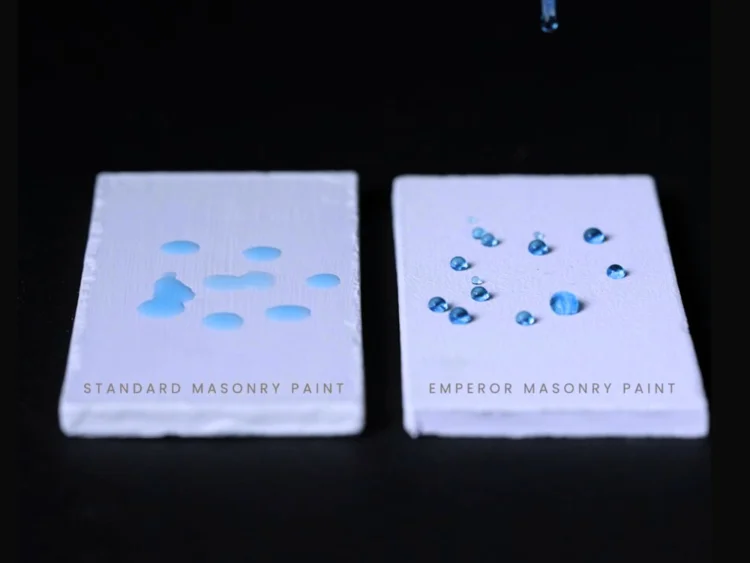
Independent testing by a UKAS accredited laboratory found that Emperor Masonry Paint reduced water absorption by 96%, had an SD value of 0.03 (similar to limewash) and showed no signs of deterioration after 25 years of weathering.
That’s why it comes with a lifetime guarantee, making it the last masonry paint your home will need.
More traditional standard masonry paints were developed for a different era, one with milder weather and less awareness of the long-term effects of trapped moisture.
Modern homes face a very different climate with heavier rainfall and increased weather extremes. To be effective today, masonry paints must actively keep exterior walls dry year after year.
Learn more: How nano-technology works
How To Paint Exterior Bricks
Painting exterior bricks is simple when you follow the right process. The key is to take your time with each step to ensure you get the best possible results.
To paint exterior bricks you will need:
- Masonry paint
- Primer (if required)
- Cleaner (if required)
- Masonry roller (long-pile roller)
- Paint tray or scuttle
- Paint brush
- 120 grit sandpaper
- Dustsheet
- Masking tape
- Exterior filler and filling knife (may be required)
- Scraper (may be required)
1. PREPARATION
Preparation is one of the most important parts of the decorating process, as any professional decorator will tell you.
If you don’t ensure the surface is ready to paint, you will experience problems with the paint not properly sticking to the wall, eventually resulting in it peeling prematurely.
- Remove loose mortar and debris from cracks or holes.
- Fill gaps using a good-quality exterior filler, overfilling it slightly to allow for shrinkage.
- Once dry, sand smooth with 120-grit sandpaper.
- Scrape off any peeling paint using a scraper or wire brush.
- Wash the wall down with a hosepipe to remove dust and dirt.
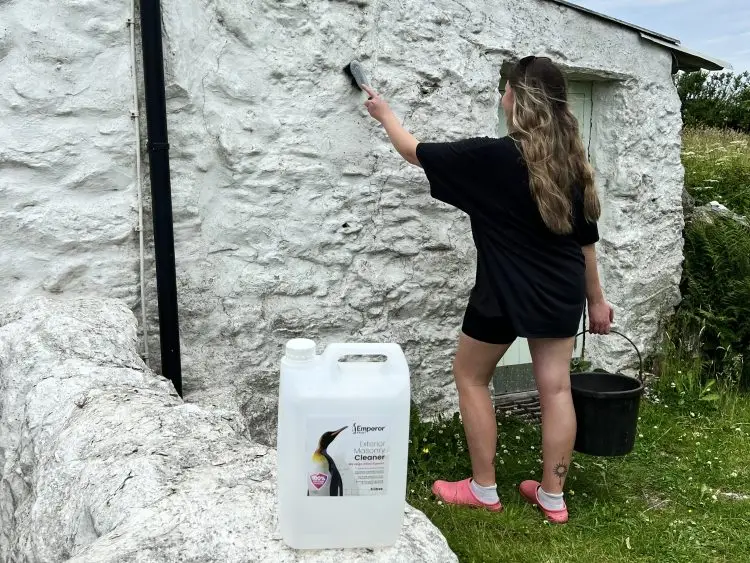
- Apply a fungicidal masonry cleaner such as Emperor Exterior Cleaner to any areas of green growth and allow to dry.
- Mask any edges and lay a dustsheet to protect from paint splashes.
2. PRIMING
If you are painting bare exterior brick, you must prime it like most other bare surfaces before painting.
This is because the paint will absorb into the brick rather than create a solid paint film.
- Make sure the surface is completely dry.
- Apply primer to any bare, unpainted brick using a brush or long-pile roller.
- Leave it to dry completely for 3-5 hours before painting.
3. PAINTING
Once your brickwork is clean, dry and primed, you’re ready to start painting.
Painting exterior brick isn’t difficult, but it involves more than adding a quick coat of paint. The right technique ensures you not only achieve a great finish but that the paint can perform as designed.
- Starting from the top of the wall, use a paint brush to cut in around the edges.
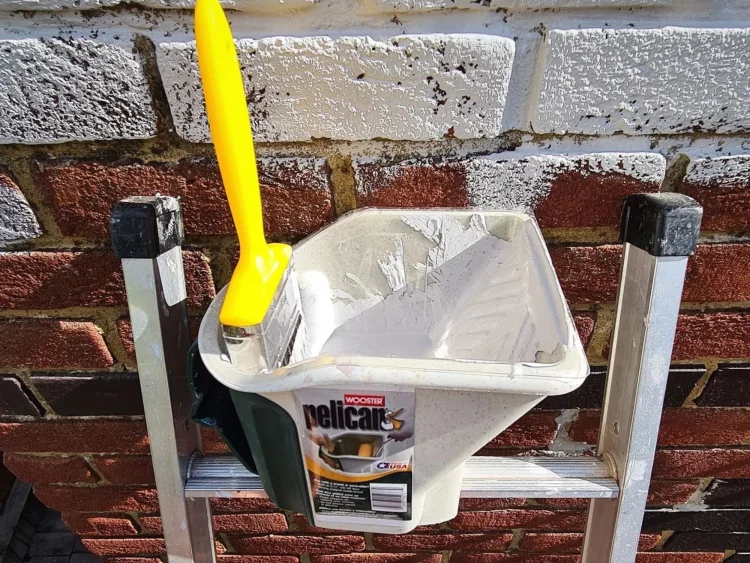
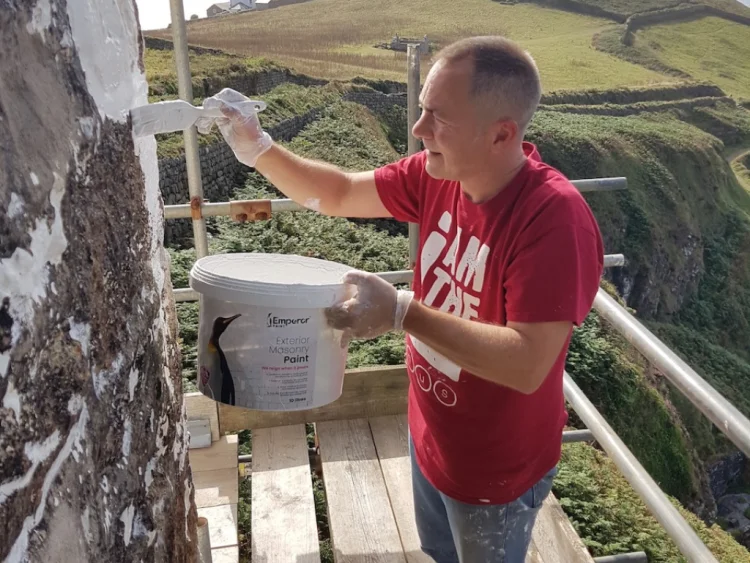
- Use your long-pile masonry roller to apply a thin but even first coat of paint to the rest of the wall.
- Leave to completely dry as per the manufacturer’s instructions – remember to look for the recoat time, not the drying time.
- Apply the second coat slightly thicker but once again as evenly as possible, working in long up and down motions to avoid streaks.
- Leave your second coat to completely dry before you remove your masking tape.
Frequently Asked Questions
Why do people say painting exterior brick is a bad idea?
You may see advice saying painting exterior brick is a bad idea because many paints trap moisture, which leads to long-term damage.
The truth is, the problem isn’t painting itself, it’s the paint being used.
There is still a lot of misconception around the difference between masonry paints that form a plastic film, like standard masonry paint, and those that maintain an open-pore structure, like Emperor Masonry Paint and limewash.
Why do exterior bricks need to breathe?
Breathability is a crucial factor when choosing which masonry paint to use.
Non-breathable masonry paint seals the pores of masonry, trapping moisture and ultimately causing the moisture to build-up within the substrate.
If this happens over a period of time, this moisture will lead to significant deterioration in building integrity and cause damage that cannot be undone.
An SD value is a measurement that is used to demonstrate the breathability of a substrate, otherwise known as its ability to allow water vapour to freely travel through the material. A substrate with an SD value of 0.5 or below is considered breathable. If a paint does not have an SD value of below 0.5, you should avoid using it as you will cause more damage than good to your exterior brick walls.
How much paint do I need?
Estimating how much paint you will need to paint your exterior brick wall can seem difficult, however it can be simple. The amount of paint you will need depends on three things:
- The size of the wall
- The coverage of the paint you are using
- The number of coats required
Start by measuring the height and length of the wall you are painting, in metres. If you are painting multiple walls or sides of the house, splitting these into separate figures will help to get an accurate figure. Once you have the measurements, multiply these together to give yourself a square metres figure.
Once you know the size of the area you are painting, use the coverage of the paint you are using and how many coats it requires to calculate how much paint you will need.
Read our full guide on how to estimate how much paint you will need, for a handy breakdown.
Planning to paint your exterior brick wall? Our in-house team of experts are always here should you need us. You can reach them by emailing [email protected] or calling 01254 936121.
Ready to start? Order your sample of Emperor Masonry Paint to kickstart your decorating project.
This article was written by the Emperor Technical Team, a group of experts with an average of over 25 years experience in the building industry. They work daily with homeowners, tradespeople and specification professionals to deliver practical, expert guidance that promotes long-term results, supports wall health and helps create homes that are prepared for the future.
Find your match in 60 seconds
Personal advice, made simpleNot sure what products you need for your project? Take our quick quiz and we’ll do the thinking for you. Just answer a few questions and we’ll tell you exactly which Emperor products you need, plus a tailored plan to help you apply them for lasting results.