

Everything You Need To Know About Waterproofing Paint

Waterproofing and paint are two things that are often discussed hand-in-hand, however there is a lot of misleading information which can complicate things.
In this guide we will cover:
- What is waterproofing paint?
- What problems do non-waterproofing paints cause?
- What is breathability & how does it relate?
- What paint is waterproof & highly breathable?
What Is Waterproofing Paint?
The UK’s climate is particularly demanding on exterior paints, with high moisture levels and large seasonal temperature changes. As a result, the biggest cause of paint failure in the UK is moisture. Damp and water damage affect millions of properties, yet this is often overlooked in exterior decorating.
Waterproofing paint is designed to prevent moisture from moving from the external environment into a substrate and is primarily associated with exterior, not interior, paints. While it’s easy to assume all exterior or masonry paints are waterproof, this isn’t always the case.
Masonry paints offer varying levels of weather protection depending on their formulation, quality and technology. This has led to marketing terms such as ‘weatherproof,’ ‘weather-resistant’ and ‘waterproof’ being widely used, even though many products are not truly waterproof. For a paint to be considered a true waterproofing paint, it must be water repellent. If the paint does not repel water, the water will begin to soak into the paint and eventually into the exterior wall.
What Problems Do Non-Waterproofing Paints Cause?
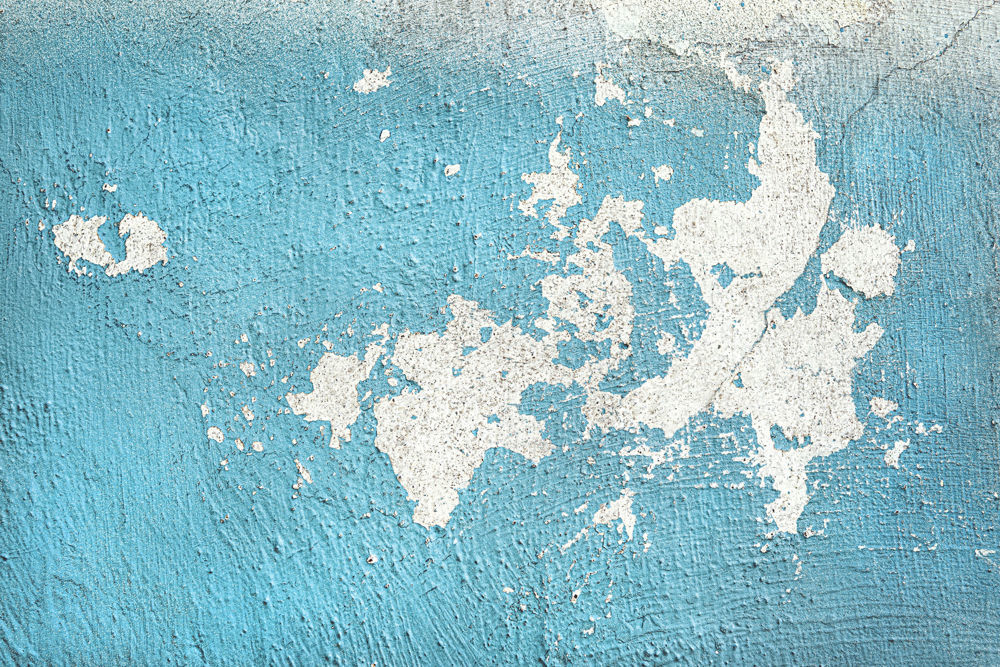
Paint failure
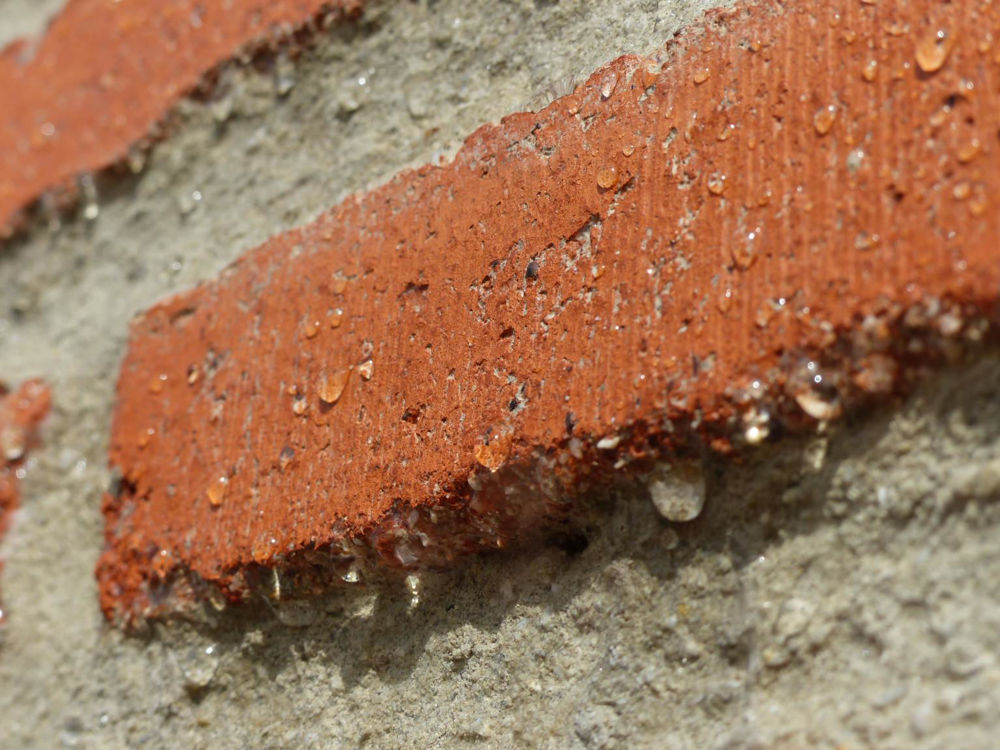
As we have already mentioned, moisture is the biggest cause of exterior paint failure in the UK. This is because when the moisture is absorbed it not only passes through into the wall beneath but it also gathers underneath the film of paint. If the paint has low breathability it can become trapped, as it has nowhere to escape. As this water begins to build, eventually it reaches bursting point, causing the paint to begin to bubble, peel and flake.
Damp
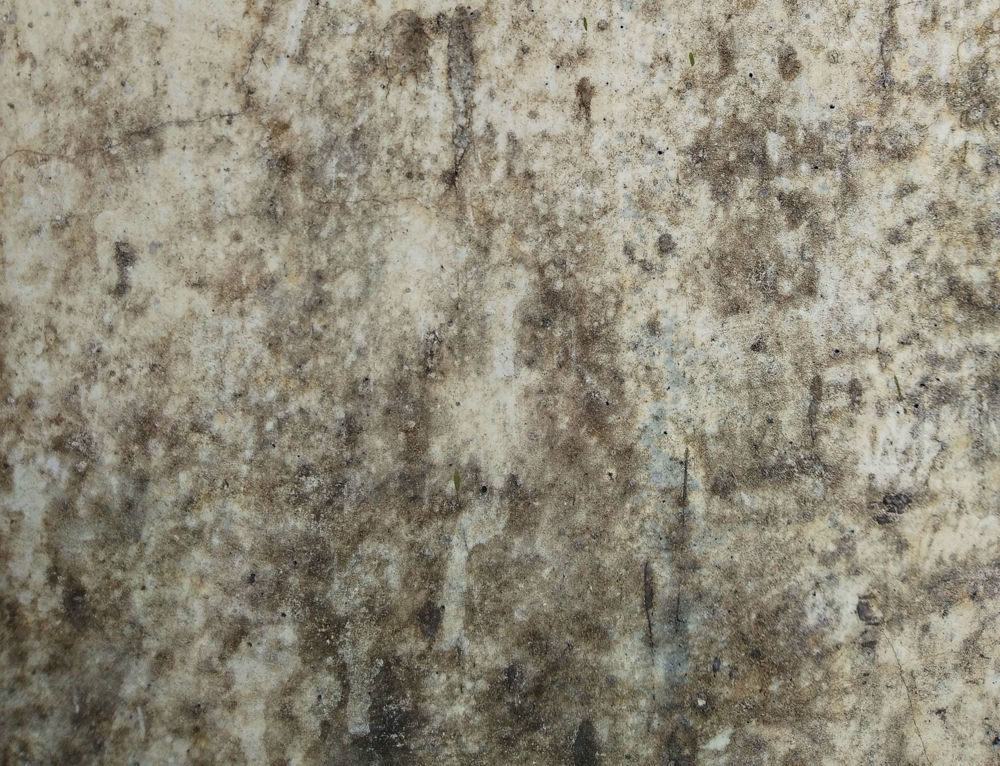
We’re all familiar with damp problems in the UK, but homeowners are generally less aware of what exactly causes the damp in the first place. There are three broad forms of damp; condensation, rising damp and penetrating damp.
Condensation is an internal form of damp caused by high-levels of moisture, often caused in rooms such as kitchens or bathrooms. Rising damp is an external form of moisture which is caused by moisture soaking up through the bottom level of bricks in a property. Lastly, penetrating damp is caused when water from rainfall or a leak soaks into the external walls of a property.
So how does damp relate to non-waterproofing paints? Well, just like a bare, unpainted masonry, a wall painted with a non-waterproof masonry paint will begin to uptake moisture over-time, allowing penetrating damp to develop. This penetrating damp can lead to wet patches appearing both on external and internal walls, crumbling plaster and peeling wallpaper. This is particularly an issue for properties with a solid wall construction, but can also occur in properties with a cavity wall construction if there is poorly fitted cavity wall insulation.
Structural damage
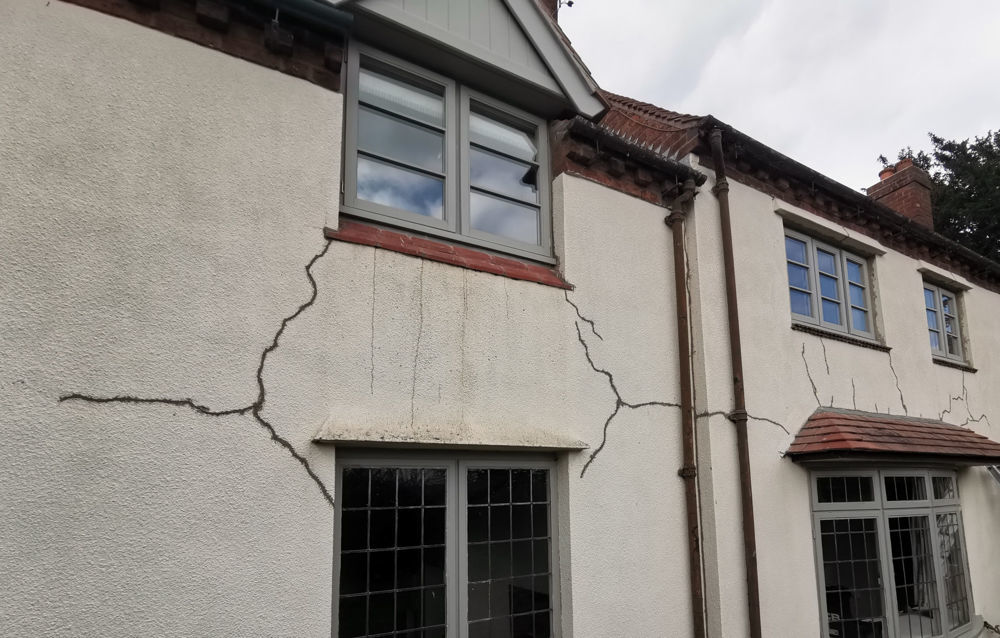
While a standard non-waterproofing paint does not directly cause structural damage on its own, it is not helping to prevent it either. When water enters an external wall it can undergo what is known as a ‘freeze-thaw cycle’. This is when water freezes while in the wall, causing it to expand and causes significant movement within the substrate. This movement can cause cracks to open up, which allows more water to enter the wall.
By not preventing water entering the external wall, standard masonry paints can leave surfaces at risk from this damage, which is often why render and other mineral surfaces can begin to crack and delaminate.
Organic growth
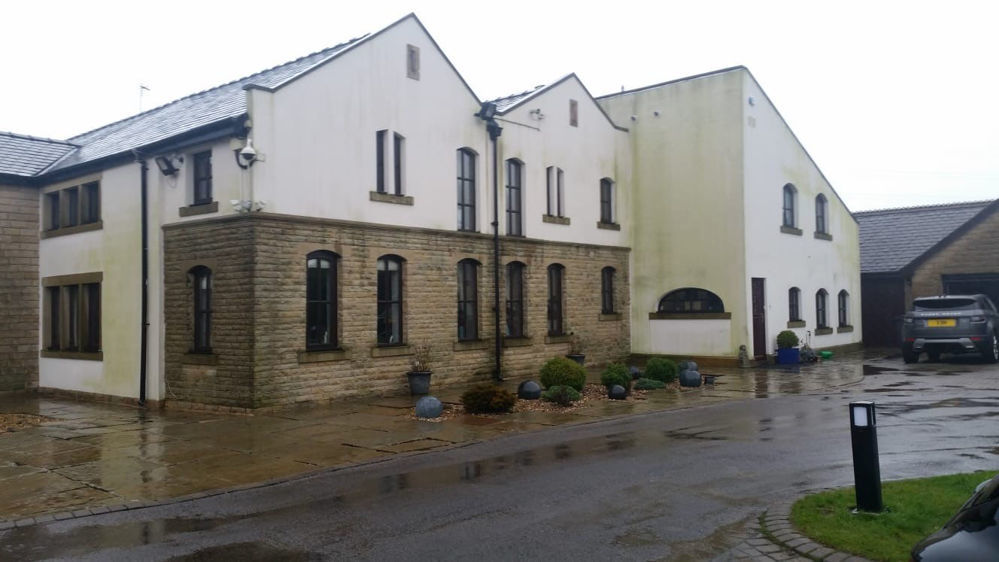
Like all fungus, organic growth such as algae, lichens and mildew all thrive in high-moisture conditions. As non-waterproofing paints allow the surface to become saturated, this organic growth is provided with the ideal conditions to bloom and thrive.
While this can be cleaned off and removed, it will continue to develop if the moisture it requires to grow is present. Certain types of render suffer from what appears to be orange staining, which can often be confused with organic growth. This is caused by resins within the render bleeding out, causing significant stains that can’t be easily removed. While not organic growth, this is again caused by the movement of moisture.
What Is Breathability & How Does It Relate?
Breathability refers to how much water vapour can freely pass through a surface. The higher the breathability, the quicker water vapour can pass through the pores and the dryer the surface will be.
Breathability can be measured using an SD value, with anything below 0.5 being considered breathable. This is crucially important for paints, especially knowing problems that moisture can cause. If a paint has low breathability, it can cause any moisture that has either entered the surface from the outside or moisture from inside the surface to become trapped. This is what causes moisture to gradually build-up along with water ingress, causing significant problems long-term.
Just like the weather protection masonry paints offer, the breathability of these paints is often confused due to marketing jargon. While a paint may be referred to as ‘breathable’, this can often mean it has some level of breathability, even though this level is low. This is why it is crucial for the SD value of a masonry paint to be considered.
While some masonry paints are highly breathable, such as limewash, these often do not have the weather protection required to prevent the issues caused by water ingress. That is why weather protection and high breathability are equally as important for protecting exterior walls from weathering.
What Paint Is Waterproof & Highly Breathable?
Moisture-related problems and confusion caused by misleading terms drove us to develop an innovative formulation with two clear goals: to significantly reduce water absorption without affecting the breathability of exterior walls. This led to our super hydrophobic nano-technology, which lines the pores of exterior walls without sealing them, reducing water absorption while maintaining an open-pore structure and high breathability.
How does it work?
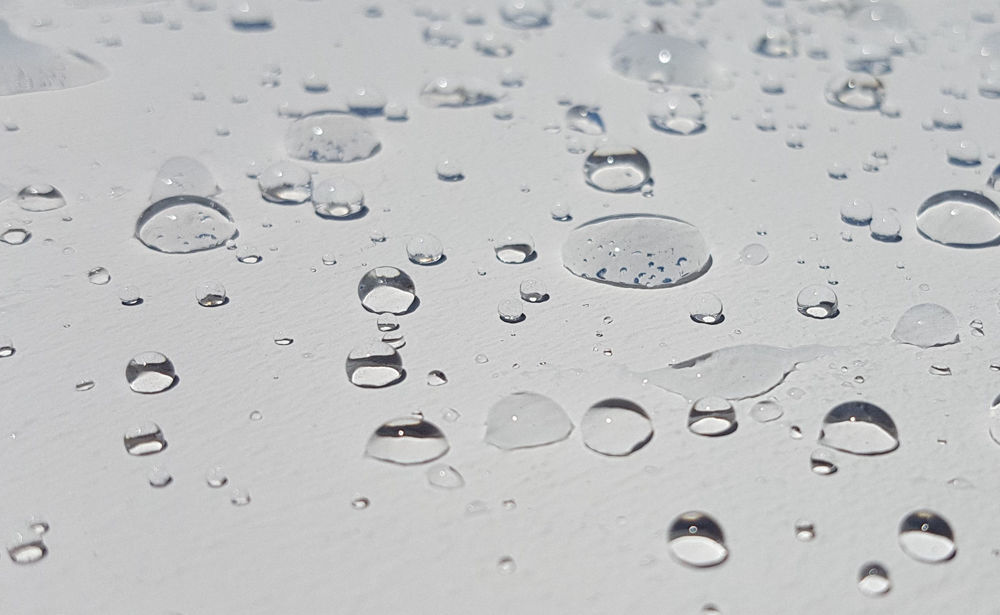
Our nano-technology comprises millions of microscopic pyramids, meaning water beads cannot sit on the surface, causing them to simply roll away. This creates a super hydrophobic surface, as water is repelled from it before it can soak through. These pyramids still have small gaps, however, that are small enough for water vapour to pass through. This is all invisible to the naked eye, which is why we call it nano-technology.
Our Emperor Masonry Paint reduces water absorption by 96% while also having an SD value of 0.03. This means it offers complete weather protection while having a breathability level similar to limewash.
What are the benefits?
The result of this is that the problems that non-waterproofing paints cause don’t occur with Emperor Masonry Paint.
In terms of its appearance, it completely resists peeling, flaking or blistering due to moisture not becoming trapped underneath the paint film. The paint also chemically bonds to the wall, ensuring an extremely strong adhesion that cannot be broken.
Due to this, the paint has been independently shown in UKAS accredited testing to withstand harsh weathering for a minimum of 25 years without showing any signs of change in appearance or performance. In fact, we’re so confident it will exceed this 25 year period that we offer a lifetime guarantee.
Emperor Masonry Paint helps discourage the growth of mildew, algae and fungus by preventing walls from becoming saturated, which removes the conditions these organisms need to grow in. It creates a ‘self-cleaning’ surface, meaning that as water rolls over the paint, it collects dirt, washing the wall with each rainfall.
In terms of performance, the nano-technology reduces water ingress, protecting exterior walls from cracking. The combination of strong weather protection and high breathability helps penetrating damp, keeping walls dry.
Read more: Self-cleaning
There’s more…
Potentially the most significant performance benefit of Emperor Masonry Paint however is something you may not expect. Wet walls transfer heat much quicker than dry walls. Try to imagine how wet clothes cause us to become cold quickly, well the same occurs with the exterior walls of our homes. To be exact, damp content of 5% can lower the insulating performance of a surface by 50%. By keeping exterior walls dry, Emperor Masonry Paint has been shown in independent testing to keep walls up to 6°C warmer on average compared to untreated exterior walls.
Frequently Asked Questions
Can I apply Emperor Masonry Paint to previously painted surfaces?
Yes, you can apply Emperor Masonry Paint to both previously painted surfaces and bare brick, stone or concrete. If you are applying it to a previously painted surface, make sure the paint is sound and not peeling. If you are planning to apply Emperor Masonry Paint to a bare masonry wall, ensure you apply one-coat of Emperor Exterior Primer first in order to prepare the wall ready to paint. You do not need to apply primer if the wall is already painted.
How do I apply Emperor Masonry Paint?
Ensure the surface is properly prepared before you start painting, as this allows it to perform at its best. Ensure you remove any peeling paint, clean the wall down and make any repairs you may need to make.
Apply primer if you are painting a bare surface. Apply one coat of Emperor Exterior Primer using a brush or long-pile roller, at a coverage of 5-8m2 per litre, depending on how porous the surface is. Allow 3-5 hours at 20°C for the primer to fully dry. At lower temperatures the drying time will be extended.
You can then apply the paint to the wall. On smooth and semi-smooth surface you can expect a coverage of 5-6m2, while roughcast, pebbledash and other textured surfaces will reduce the coverage to 3m2 per litre. Allow 6-8 hours at 20°C before applying your second coat.
How long does it take to start working?
This depends on the environmental conditions at the time of application, but generally Emperor Masonry Paint will be dry after approximately 2 hours and should start to show its full beading effect after 24 hours, although it can take up to 10 days in some cases. Don’t worry, after the 2 hours initial drying time it will be showerproof and will prevent water ingress.
We hope we have answered any questions you may have had regarding waterproofing paint, what it means and what to look out for. If you have any other questions our team of experts are on hand to assist you no matter your problem. Contact them today by emailing [email protected] or calling 01254 936121. Alternatively, shop Emperor Masonry Paint today and get free delivery on all orders.


