

The right paint for
silicone render
Not all paints are suitable for silicone render. Emperor Masonry Paint bonds properly and improves it’s performance with a finish proven to last 25 years and backed by a lifetime guarantee.
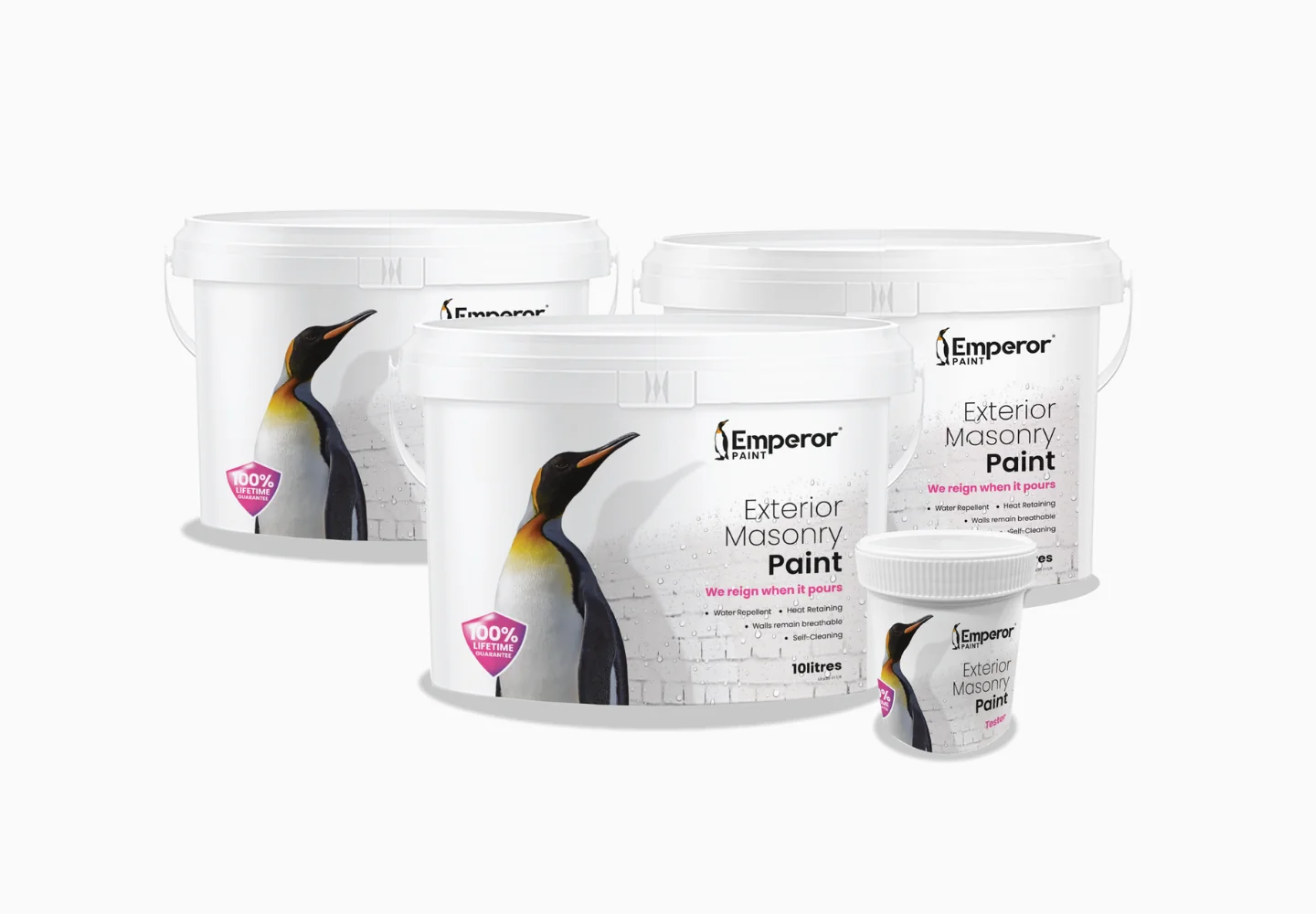
Silicone render needs the right paint
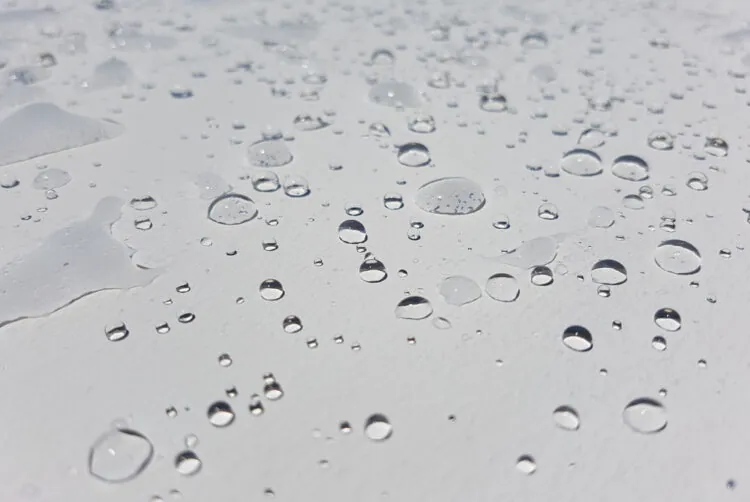

Doesn't absorb paint
Silicone render repels water, making it harder for standard masonry paints to bond once applied.
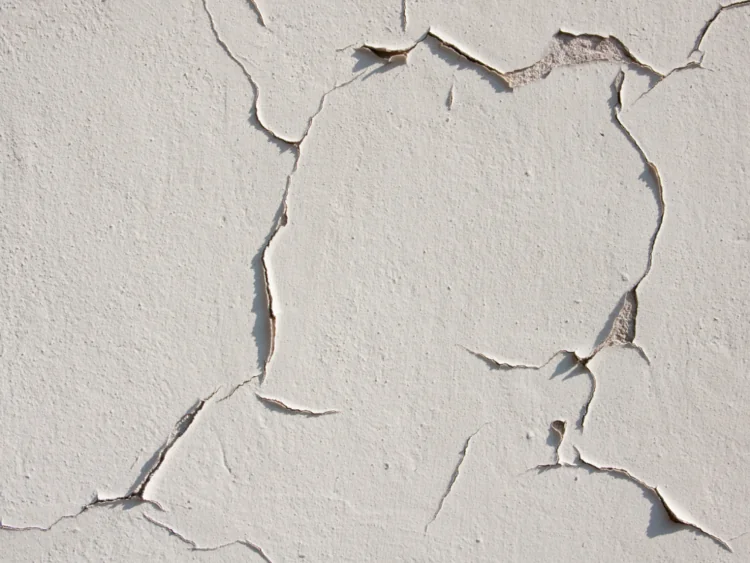
Most paints can't stick
Most standard masonry paints are acrylic-based so often aren't able to adhere properly.
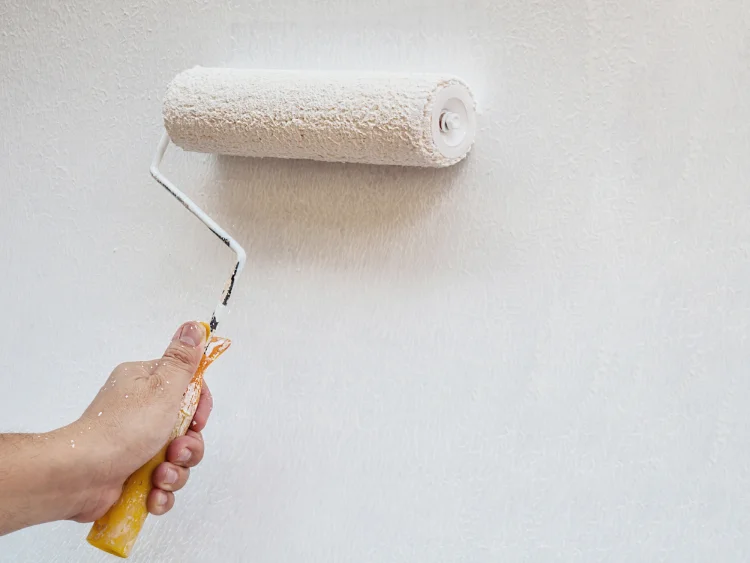
Needs to perform
Silicone render is designed to repel rain and breathe. The wrong paint stops this, reducing how well your walls perform.
What paint works on silicone render
When painting silicone render, your home needs a paint that will work with it, not against it. That means it needs to be:
- Silicone-based, ensuring it is compatible with a silicone render
- Highly breathable, to maintain the natural breathability of the wall
- Able to maintain the water-repellent finish your render is designed for

A better way to paint silicone render
Paint engineered to perform on silicone
Emperor Masonry Paint is a cutting-edge silicone-based masonry paint that has been engineered to get the very best out of silicone render. It does this by delivering exactly what your render needs to perform at its best:
- Silicone-based formulation is 100% compatible with silicone renders such as K-Rend
- Highly breathable, with an SD breathability value of 0.03, comparable to limewash
- Super hydrophobic properties, that go beyond just standard water repellency
- Proven to last a minimum of 25 years and backed by a lifetime guarantee
The technology behind the performance
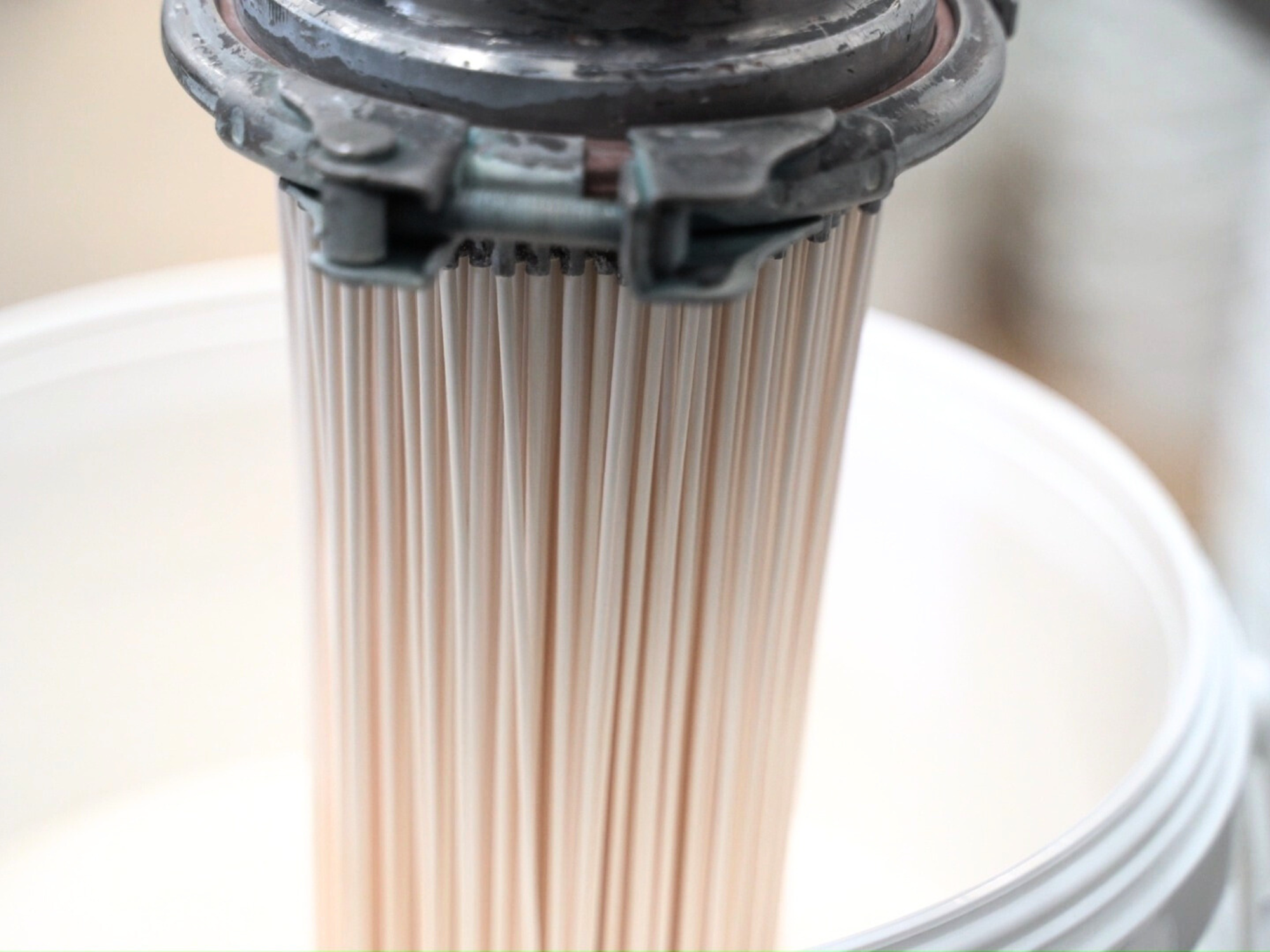
Most masonry paints force a compromise between keeping water out and letting walls breathe. Emperor Masonry Paint is built differently using cutting-edge nano-technology.
Within the paint are millions of microscopic pyramids with tiny gaps between them.
Imagine trying to balance a ball on the tip of a pencil. The same thing happens when rain hits your wall. It can’t stick to the surface so it forms droplets and rolls away instead. That’s what is known as a super hydrophobic surface, something not seen in standard masonry paint.
At the same time, the tiny gaps between those pyramids still allow water vapour to escape from the wall, so the surface stays highly breathable.
This is what allows Emperor Masonry Paint to work with silicone render, not against it, helping the surface keep the performance it was designed for.

96%
reduction in water absorption
25yr
proven performance in harsh weather conditions
0.03
SD breathability value, similar to limewash
6°C
warmer walls on average vs untreated walls
1
lifetime guarantee - you only ever have to paint once
What that means for you and your home
A home that’s warm and dry
Your home stays dry, warm and free from damp, whatever the weather throws at it.
A beautiful home, year-after-year
Clean walls, rich colour and a finish that never peels so your home keeps that newly painted look.
The last time you’ll ever worry about it
Paint once and forget about it. With a lifetime guarantee and a 25 year proven performance, your walls are taken care of, for good.
How to paint silicone render
Painting silicone render can be done by anyone using the right paint and good quality tools.
Before you start, take time to prepare the surface so it’s clean, dry and sound.
Unlike other surfaces, pre-coloured silicone renders do not need to be primed before painting.
Silicone render is typically smooth, so the finish will highlight any inconsistencies. Work methodically across the wall, maintain a wet edge and apply with consistent roller pressure to achieve an even result. With extremely high opacity, Emperor Masonry Paint helps you build coverage quickly, reducing the risk of patchiness.
Plan your work in manageable sections and avoid stopping midway across a wall, as this can leave visible joins once dry.
For full step-by-step guidance, read our Emperor Masonry Paint application guide.

Designed for silicone render
Emperor Masonry PaintReady to paint your silicone render for the last time? Get it right first time round with a paint designed not only to work with your render, but improve it, so you never have to think about doing it again.
✓ 25 years proven performance
✓ Lifetime guarantee
✓ Silicone-based for proper adhesion
✓ Independently tested and certified

Frequently asked questions
Can you paint silicone render?
Yes, you can paint silicone render using the correct paint, which must be a silicone-based masonry paint.
What paint should you use on silicone render?
Silicone render isn’t a typical surface. With added resins to the formulation to provide it with water repellent properties, applying a standard masonry paint which are often acrylic-based will result in compatibility issues and potentially peeling paint. Alongside this, using a standard masonry paint will allow reduce breathability and remove water repellent properties, impacting the performance benefits that a silicone render provides.
In order to maintain this performance and ensure the paint can adhere properly to the silicone render, you need to use a silicone-based masonry paint like Emperor Masonry Paint when painting silicone render.
How long does masonry paint last on silicone render?
Providing you have used a suitable paint, how long a paint lasts depends on the paint itself. Emperor Masonry Paint lasts a minimum of 25 years on silicone render without peeling or flaking, which is why it comes with a lifetime guarantee.
How do you prepare silicone render for painting?
In order to paint silicone render, you must ensure the surface is clean and sound.
Firstly, wash the masonry down with a pressure washer (on a low pressure), hosepipe or a stiff brush and hot water. Then apply a fungicidal cleaner to the wall where there are problems with organic growth.
If there are any cracks or holes in the wall, make sure you fill these with a good-quality exterior filler. If there is any peeling paint, remove this using a paint scraper back to a ‘firm edge’, where no more paint can be removed.


Explore other surfaces

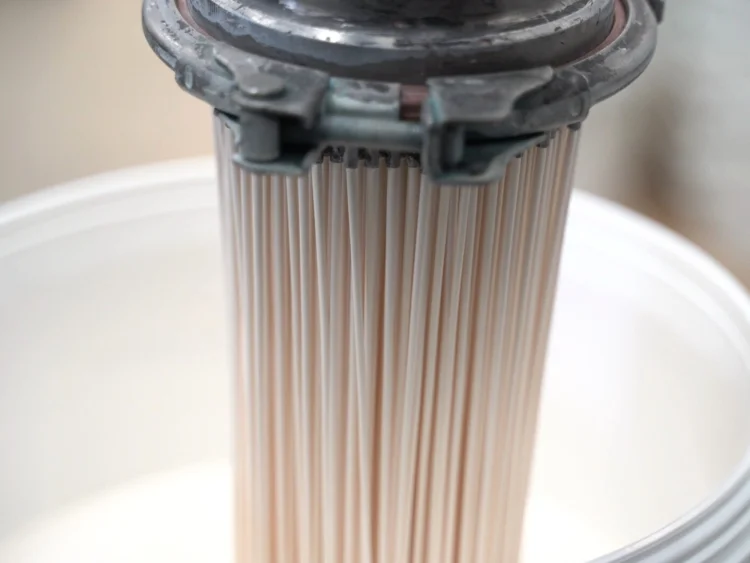
Painting lime render
Learn how to paint lime render the right way, including surface preparation and the best products for a lasting finish.

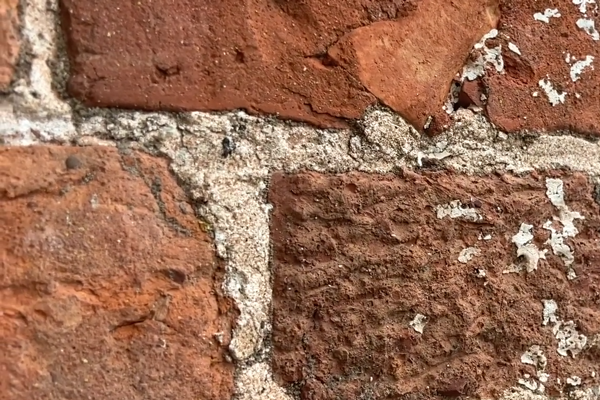
Painting brick
Discover the best way to paint your bricks, from the right prep to what products to use.

Browse all surfaces
No two surfaces are the same. Find the right approach for your home and get lasting results you can be proud of.