

Everything You Need To Know About Painting Render
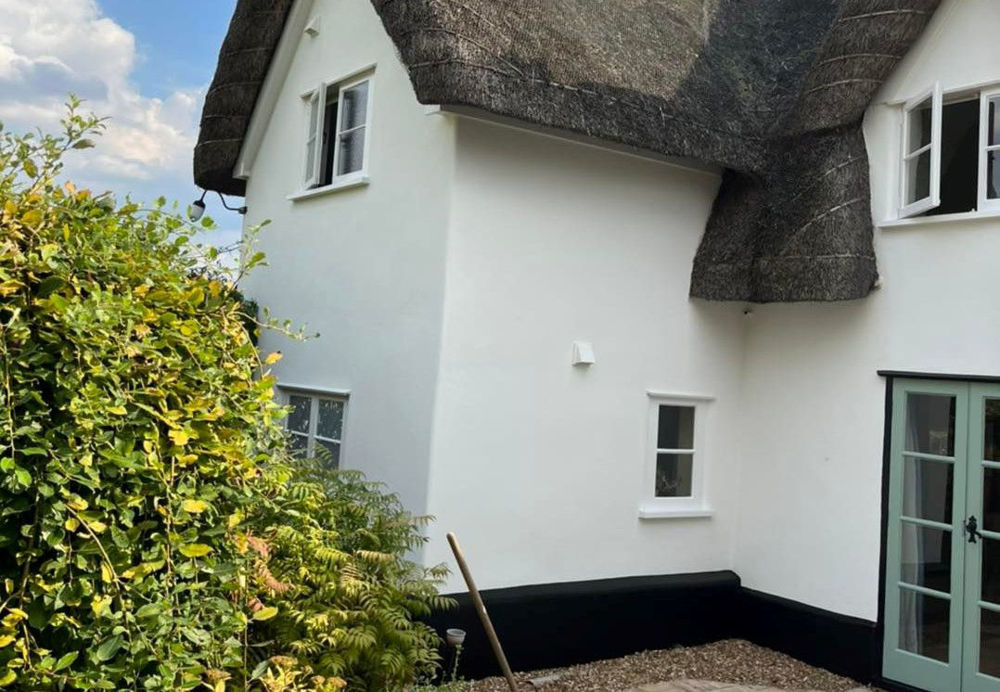
Render is one of the most common exterior surfaces that homeowners want to paint, but with so many types of render it can often be difficult to know exactly how to go about it. That is why we’ve put together our complete guide to painting render that contains everything you need to know before you get started.
In this guide we will cover:
- Why would you paint render
- Can render cause damp problems
- What paint should you paint render with
- The best way to paint render
 Key takeaways
 Key takeaways
-
- Different render types behave very differently when it comes to moisture.
- Damp problems on rendered walls are often linked to trapped moisture and poor breathability.
- Most types of render can be painted using the right paint and tools.
- Using a paint system compatible with the render underneath is essential for the health of your home.
A Guide To Render
The most common types of render in the UK are:
- Conventional render – Conventional render, often known as sand and cement render, is the most common form of render. Relatively unexpensive but is less advanced than other forms of render, as it can uptake moisture, has low breathability and is rigid which can cause cracking due to movement.
- Silicone render – Silicone render is a more advanced form of render which has higher breathability, while also having water repellent properties due to added silicone.
- Acrylic render – Less breathable than silicone render and is not water repellent, although it is more cost-effective and offers a pre-coloured finish unlike sand and cement render.
- Lime render – Lime render is a traditional form of render that has been used for hundreds of years. It is highly breathable, allowing it is help regulate moisture levels in these older properties, although it does not offer much resistance to weathering due to its high level of porosity.
- Pebbledash – Pebbledash is a very common form of render that involves applying a plaster to walls and then throwing various pebbles and stones to the surface. Generally concrete based, meaning low breathability but high water resistance.
Did you know? Rendering a standard semi-detached house can cost an estimated £6,000 in the UK.
Why Would You Paint Render?
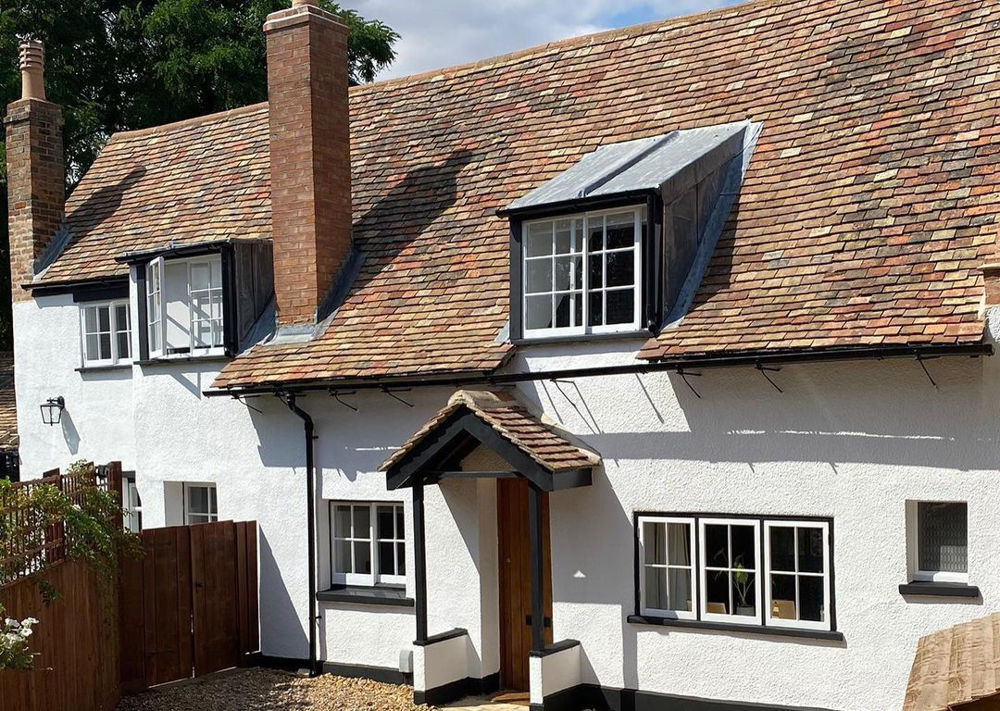
While some renders come pre-finished or pre-coloured, painting render is something that many homeowners decide to do both to new and older render. Many renders also do not come pre-finished, meaning that they are often left bare, leaving it looking tired and unfinished.
Painting render can also improve it’s performance. All renders that are non-silicone renders will absorb some level of moisture over-time. This is the case both with highly porous renders like lime render and renders that are designed for long-term durability like pebbledash.
When moisture absorbs into the render, it saturates the material and can undergo what is known as a ‘freeze-thaw cycle’. The moisture can freeze when temperatures drop causing it to expand as it becomes a solid. This expansion leads to movement within the render which can cause cracks and holes to open up, these defects allow more moisture to enter the wall.
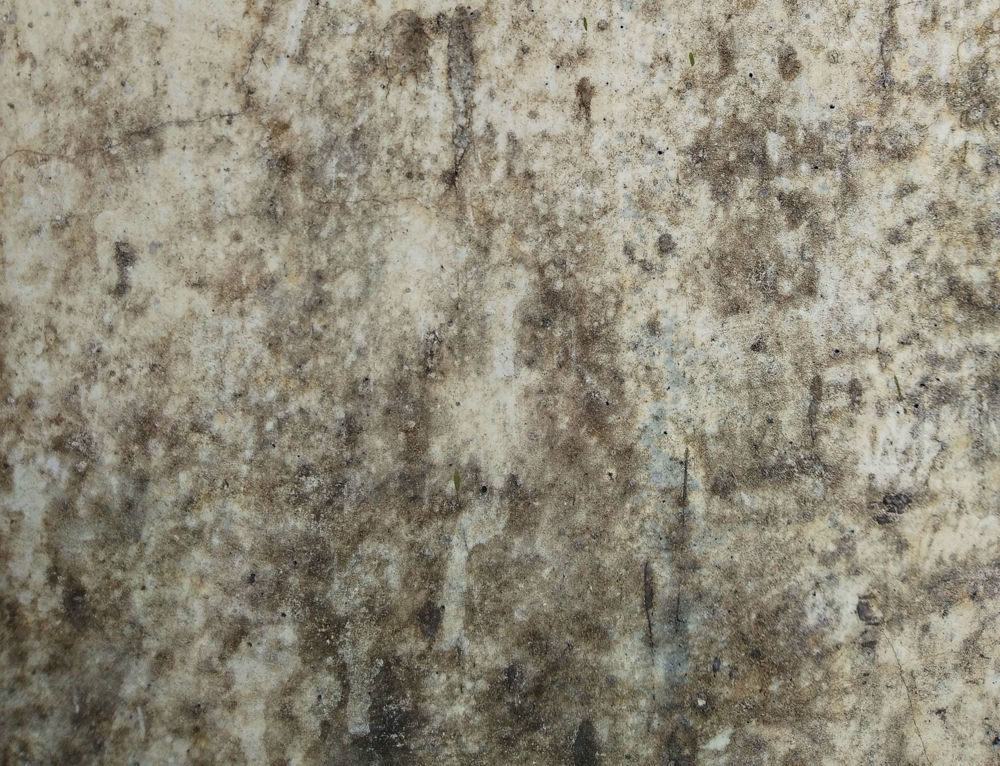
This water entering the render can also lead to discolouration from organic growth such as mildew, lichens and algae. Renders that have not been previously painted are particularly susceptible to this growth, although even painted renders can develop this if moisture is allowed to absorb into substrate.
Can Render Cause Damp Problems?
Yes, render can contribute to damp problems if moisture is allowed to enter the wall and cannot escape properly.
Some render systems absorb more water than others, while low breathability can trap moisture within the wall. Over time, this can lead to penetrating damp, peeling paint and damage to both interior and exterior walls.
This is why keeping exterior walls dry while still allowing them to breathe is so important when choosing both render systems and exterior paints.
Did you know? Damp content of 5% can lower the insulating properties of a material by 50%. With 35% of heat loss in a property occurring from the walls, by having damp, wet walls you are likely to experience more heat loss, especially through the winter months.
What Paint Should You Paint Render With?
Masonry paint is specifically designed for exterior surfaces like render, brick and stone. It’s made to adhere to textured walls and withstand harsh weather that an exterior paint must endure.
The term ‘waterproof’ means that water cannot penetrate a substrate. This term often overlaps with ‘water repellent’, which refers to the way in which waterproof masonry paints achieve this by repelling moisture from the surface. The terms ‘weatherproof’ or ‘water resistant’ are most used when describing standard masonry paints that are not waterproof and will allow some level of moisture to soak into the paint film. The ability to significantly reduce water absorption is often down to the formulation of the paint.
There are four main types of masonry paint:
- Acrylic masonry paint – These are what are known as standard masonry paints which 90% of masonry paints in the UK are. They generally have low breathability and are not fully waterproof, but they are widely available and offer an easy way to refresh an exterior wall, coming with a lifespan anywhere from 12 months to 10+ years.
- Silicone masonry paint – A highly advanced form of external finish which comes with high breathability and water repellency. By repelling rainfall and remaining highly breathable, some silicone masonry paints can last anywhere from 10 years to in excess of 25 years. This does come at a higher cost than standard masonry paint, however the long-term value of not repainting the house every few years can mean silicone paints offer better value for money.
- Oil-based masonry paint – Oil-based masonry paint is reserved solely for applying in conditions below 5°C or to prevent the paint from washing off straight after application due to rainfall. On a domestic house, oil-based paint will cause significant problems with damp due to the fact it won’t allow moisture to escape the property.
- Limewash – Limewash is a traditional form masonry coating that is an example of a mineral paint. Limewash is highly breathable, which is why it has been used on traditional heritage properties for hundreds of years, however it does have poor weather resistance which is why it often needs reapplying annually.
The Best Way To Paint Render
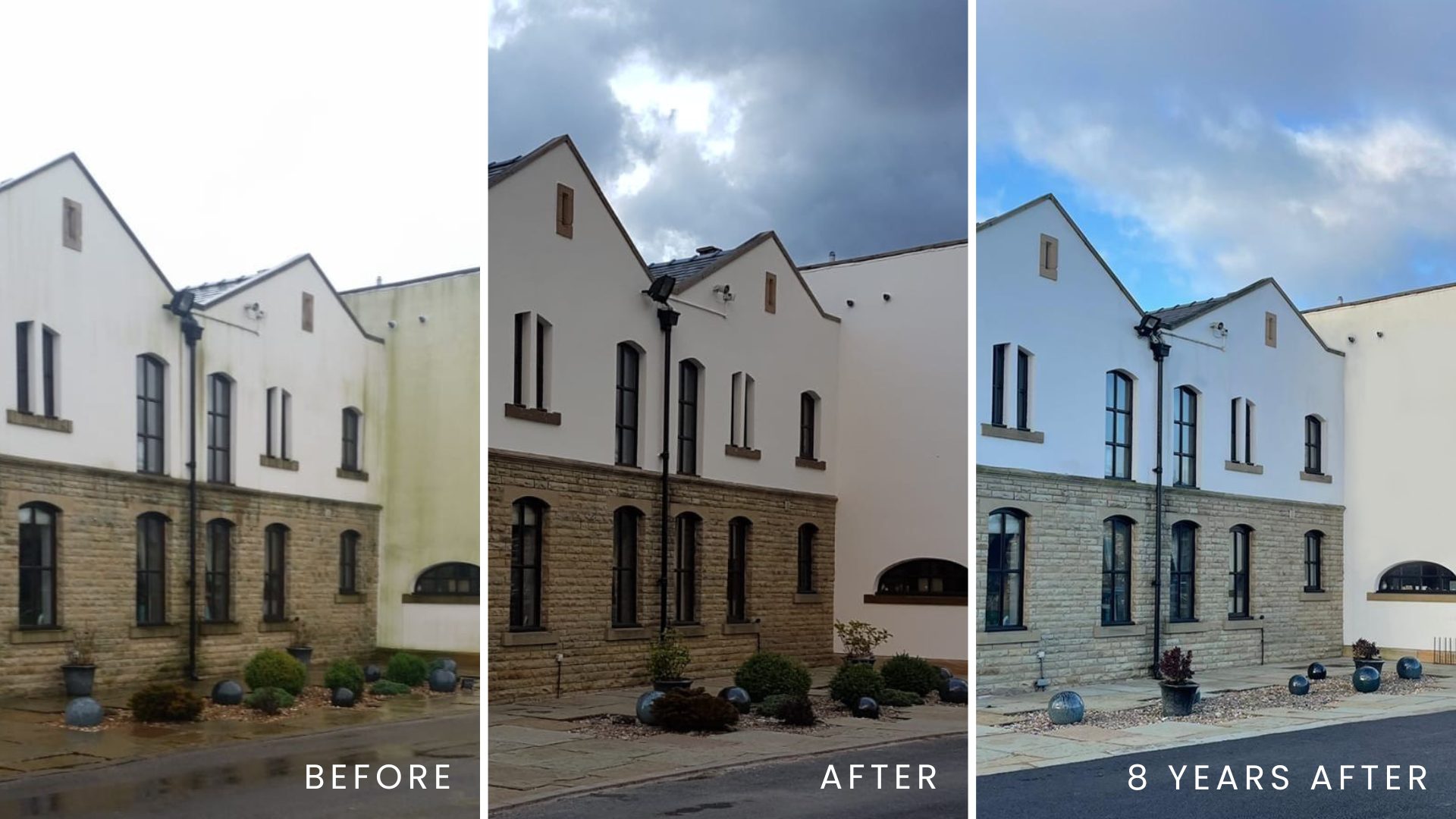
The two key features of masonry paint are breathability and the ability to reduce water absorption. Emperor Masonry Paint uses silicone nano-technology to line the pores of render without sealing them, repelling water while allowing water vapour to escape. This keeps walls drier and reduces damage, discolouration and organic growth.
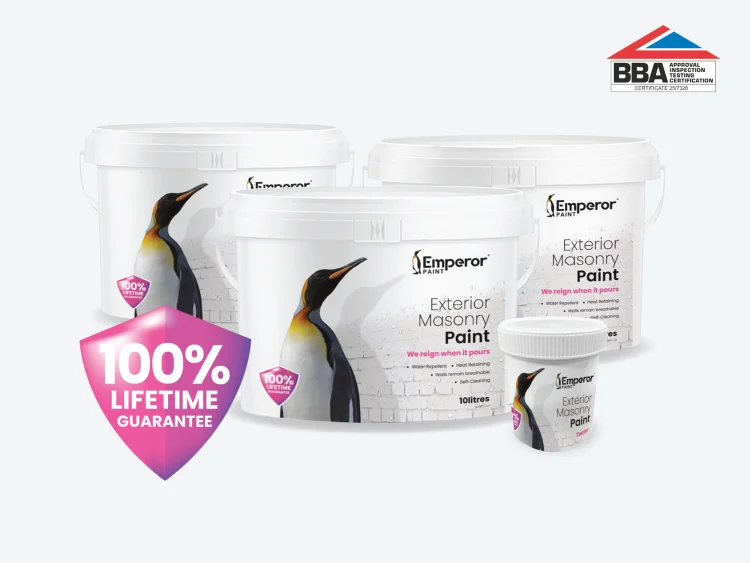
It has been independently tested in a UKAS accredited 25-year accelerated weathering test with no loss of performance. Due to this, Emperor Masonry Paint comes with a lifetime guarantee, ensuring its performance in all weather conditions for decades.
Emperor Masonry Paint’s super hydrophobic technology can be used on any exterior walled surface, including silicone renders. Unlike acrylic paints, it is fully compatible and adds self-cleaning protection by repelling dirt and preventing moisture that allows algae and staining to develop.
Key benefits:
- Super hydrophobic
- Highly breathable
- Self-cleaning
- Helps prevent penetrating damp
- Will never peel or flake
- Heat retaining
- UV resistant
- Comes with a 25+ year proven performance and a lifetime guarantee
How To Paint Render
What you will need:
- Masonry paint
- Masonry roller (long-pile roller)
- Paint tray or scuttle
- Paint brush
- Dust brush
- 120 grit sandpaper
- Dust sheets
- Window film
- Masking tape
- Exterior filler and filling knife (may be required)
- Scraper (may be required)
Preparation
The preparation stage is the most important part of any decorating project. You need to ensure that the render you are painting is fully prepared, ready to be painted or else you will not only achieve a poor finish, but the paint could fail in some cases.
Preparation
- Inspect the render for loose or hollow areas and repair any detached sections.
- Fill small cracks and holes with exterior masonry filler, then sand smooth.
- If needed, match textured finishes using Emperor Textured Basecoat with a brush or textured roller.
- Clean the surface using a low-pressure washer, hose or stiff brush with hot water.
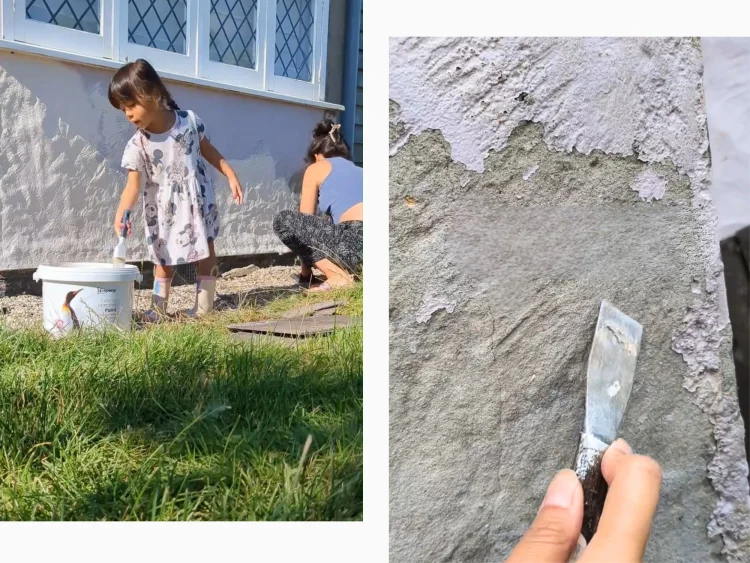
- Scrape away any loose or peeling paint until only firmly bonded paint remains.
- Apply a fungicidal cleaner such as Emperor Exterior Cleaner to areas with algae, lichen or mildew.
- Protect surrounding areas with window film, masking tape and dust sheets.
Application
- Check the product instructions – Drying times, recoat times and coverage vary by product; always follow the manufacturer’s guidance.
- Decide if you need a primer – Unpainted or uncoloured render must be primed. Previously painted or pre-coloured surfaces do not need a primer.
- Choose the right primer – Use Emperor Exterior Primer to match the paint’s breathable, super hydrophobic technology. Standard primers can reduce performance.
- Weather – Ensure the render is dry and the temperature is above 5°C before priming.
- Apply primer – One coat at 5-8 m². Use a long-pile roller or masonry brush for rough surfaces. Primer dries in 1-2 hours (allow 5-6 hours at 20°C before recoating).
- Prepare to paint – Wait until primer is fully recoatable and the weather is clear.
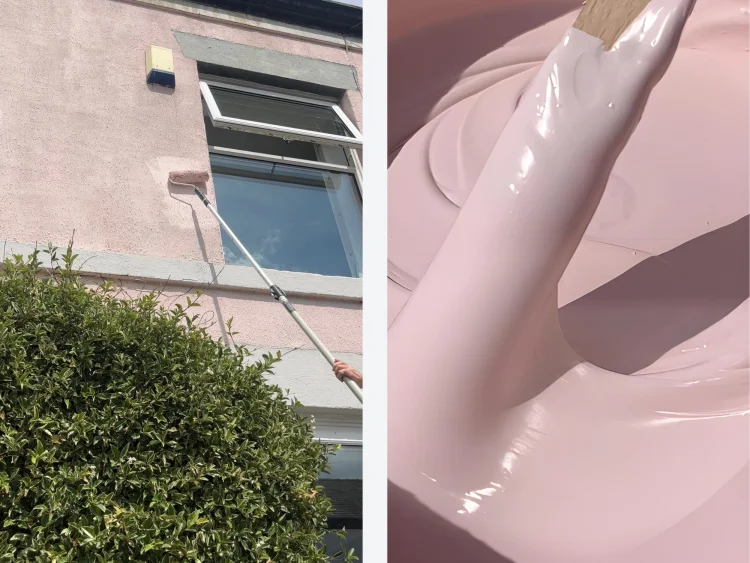
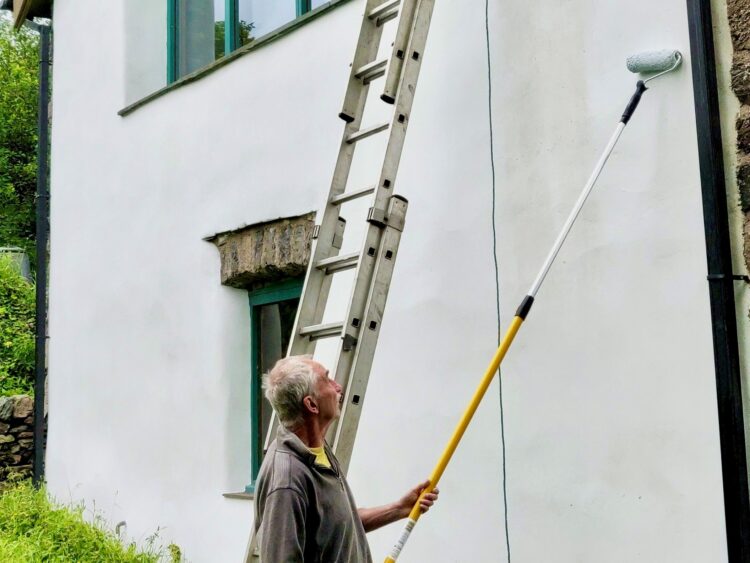
- Apply first coat of paint – Use brush, long-pile roller or airless spray. Coverage: 5-6 m² on smooth renders, 3 m² on textured renders (pebbledash). Cut in edges with a brush first, then roll in long vertical strokes from top down.
- Drying between coats – Touch-dry and showerproof in 1-2 hours, allow 6-8 hours at 20°C before applying the second coat.
- Apply second coat – Repeat the same method as the first coat and allow to dry fully.
We know that finding what products you need for your project can feel overwhelming, but we’ve made it easy!
Take our project quiz to get personalised recommendations and find the right products for your project in a few clicks.
TIP: When using Emperor Masonry Paint you can dilute your first coat of paint down 10% with water to make application easier, but ensure you do not dilute your second coat.

Frequently Asked Questions
Can I apply Emperor Masonry Paint to acrylic render?
Yes, Emperor Masonry Paint is fully compatible with use on any render. The reason it can be applied to any render is that it chemically bonds to the surface, meaning it will adhere to any rendered wall either with primer applied if it is bare render or straight to previously painted render.
If you tried applying an acrylic-based masonry paint to a silicone render, the water repellent properties of the silicone would repel the acrylic-based paint and cause it to simply run off.
What is the difference between Emperor Masonry Paint and other silicone masonry paints?
Just like all acrylic-based masonry paint are not made the same, silicone-based masonry paints are not made the same.
While silicone masonry paints all contain water repellent properties, Emperor Masonry Paint has super hydrophobic properties which causes water to form ‘beads’ on the surface of render, which the simply run straight off.
The breathability of silicone-based masonry paints also varies. Anything with an SD value of below 0.5 is considered breathable by British Standards, with the lower the number meaning the higher the breathability. Emperor Masonry Paint has an SD value of 0.03, giving it extremely high breathability in line with limewash.
When can I paint new render?
You must ensure any render is touch dry before you can paint it. With new render, it can take up to 4 weeks for it to fully dry out.
Due to the high breathability of Emperor Masonry Paint, any moisture that is deep within the render will naturally breathe out over-time, however if there are any dark or damp patches on the render allow these to dry before applying paint.

We hope we have answered any questions you may have had regarding painting render. If you have any other questions our team of experts are on hand to assist you no matter your problem. Contact them today by emailing [email protected] or calling 01254 936121.
Ready to start? Order a sample to test the finish, explore colours and find the right paint for your render.


