
The Difference Between Silicone-Based and Acrylic-Based Masonry Paint

When it comes to protecting exterior walls, choosing the right masonry paint matters just as much as selecting the right colour for your home. Silicone-based and acrylic-based masonry paints often get compared but the differences between the two can significantly impact durability, weather resistance and long-term maintenance costs.
In this blog, we will cover:
- What is acrylic-based masonry paint?
- What is silicone-based masonry paint?
- What are the benefits of using silicone-based masonry paint
- Comparison of silicone-based and acrylic-based masonry paint
What is acrylic-based masonry paint?
Acrylic-based masonry paint is one of the most widely used masonry paint types in the UK, largely due to its affordability, wide availability and ease of application. It is often chosen for exterior projects because it can provide quick coverage and a decorative finish at a lower upfront cost.
However, most are only designed to be weather-resistant and often have low breathability. Acrylic-based masonry paints create a film over the surface of the wall to help resist water penetration. While this can provide some protection, it can also reduce how easily the wall can breathe, meaning water vapour inside the masonry cannot escape freely. This can become more of a concern on older, damp-prone or exposed properties.
Over time, trapped moisture can contribute to problems such as cracking render, peeling or failing paint, damp and moisture-related damage. These issues can lead to additional maintenance, repairs and repainting more frequently than expected.
What is silicone-based masonry paint?
Silicone-based masonry paint contains silicone resins that create a highly water-repellent yet breathable finish. Unlike many masonry paints that form a film over the surface, silicone-based masonry paint chemically bonds onto the substrate and becomes part of the masonry itself. This allows walls to breathe naturally and freely.
This type of technology is designed to actively repel water from the surface, helping exterior walls stay drier. At the same time, silicone-based paints allow water vapour trapped within the wall to escape naturally. This is important because masonry is constantly exposed to changing weather and naturally absorbs and releases moisture over time. When moisture becomes trapped, it can contribute to issues linked to damp and surface deterioration.
By combining strong water repellency with high breathability, silicone-based masonry paint is often chosen for projects where long-term exterior protection is important. Helping reduce water absorption while still allowing walls to breathe can lower the risk of problems such as organic growth, staining and peeling or flaking paint.
What are the benefits of using silicone-based masonry paint?
1. Helps keep walls dry
One of the biggest benefits of silicone-based masonry paint is its high water repellency. Instead of allowing water to sit on or slowly absorb into the surface, water beads and roll away.
2. High breathability
Exterior walls naturally absorb and release moisture throughout the year. Silicone-based masonry paint is designed to remain breathable, allowing water vapour trapped inside the wall to escape.
This can be especially important for older homes, solid wall properties and areas exposed to driving rain.
3. Reduction in organic growth
When walls stay damp for long periods, they are more likely to develop algae, mould and other forms of organic growth.
Because silicone-based masonry paint keeps walls drier, it can help reduce the conditions that encourage green growth and staining on exterior surfaces.
4. Long-term protection
Exterior walls face constant exposure to rain, UV rays, frost and changing temperatures. Silicone-based masonry paint is often chosen for projects where long-term durability is important.
5. Low maintenance
Because silicone-based masonry paint helps reduce moisture absorption and can keep walls cleaner for longer, some homeowners find they will most likely not have to repaint their house again. This will reduce maintenance cost overtime and work out to be cheaper than acrylic-based masonry paints.
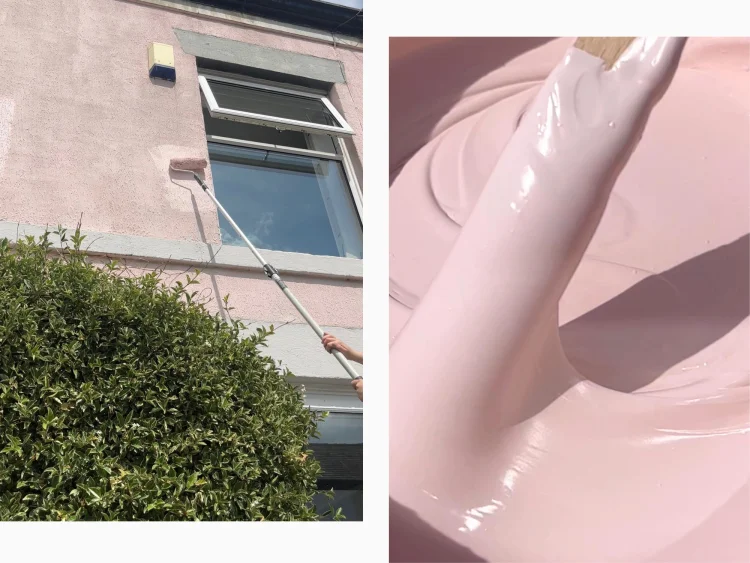
Silicone-based vs acrylic-based masonry paint
| Silicone-based masonry paint | Acrylic-based masonry paint | |
|---|---|---|
| Highly breathable, allowing water vapour to escape freely. | Has lower vapour permeability, which may increase the risk of trapped moisture. | |
| Super hydrophobic surface repels water, causing it to bead and roll off. | Usually water-resistant, meaning it can still allow moisture absorption. | |
| Long-term protection. | May require repainting every few years. | |
| Low to no maintenance needed. | Often requires more frequent cleaning, maintenance and repainting. | |
| No, silicone-based masonry paints chemically bonds to the substate. | Yes, acrylic-based masonry paints create a film over the surface which stops it being breathable. | |
| Higher initial purchase cost. | Lower initial purchase cost. | |
| Lower long-term cost due to reduced maintenance and long lasting performance. | Higher overall cost due to more regular repainting and maintenance. |
What masonry paint should you go for
If you’re simply looking to refresh the colour of your home and appearance is the main priority, an acrylic-based masonry paint can be a suitable option. However, if you want a paint that also helps protect your home long term, it’s worth considering how it performs beyond colour alone.
Silicone-based masonry paints are designed with durability, breathability and water repellency in mind. By helping keep rainwater out while still allowing water vapour to escape, they can support drier walls and help reduce problems linked to trapped moisture, peeling paint and ongoing maintenance. While they may cost more upfront, many homeowners choose silicone-based masonry paint for the added protection and longer-term performance.
Frequently Asked Questions
What type of masonry paint is Emperor Masonry Paint?
Emperor Masonry Paint is a silicone-based masonry paint designed to combine high breathability with advanced super hydrophobic technology. This means it helps prevent water from soaking into walls while still allowing water vapour to escape, helping masonry stay dry without trapping moisture.
Can silicone masonry paint be applied over acrylic paint?
In many cases, yes, but the surface needs to be sound, clean and free from failing paint. Loose or peeling coatings should be removed and preparation is important to ensure good adhesion. To find out more about how to prep your walls before painting with Emperor Masonry Paint, click here.
Can you use silicone masonry paint on older properties?
Highly breathable silicone masonry paints are often suitable for older buildings, lime render and solid wall properties because they allow water vapour to escape while still helping protect against the UK’s harsh and unpredictable weather.
Can Emperor Masonry Paint be used on pebbledash or textured walls?
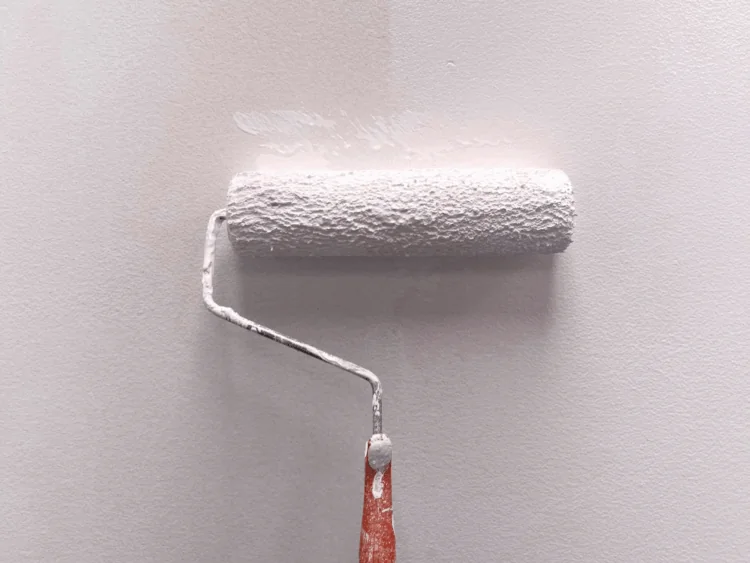
Yes, Emperor Masonry Paint can be used on textured masonry surfaces including pebbledash and render. A long-pile roller is often recommended to help work the paint into textured surfaces and achieve even coverage.
If you have more questions, we are here to help with our in-house team of experts. You can chat to them by emailing [email protected] or give them a call on 01254 936121.
Not sure what is right for your walls? Take our handy quiz to get personalised recommendations and find the right products for your project in a few clicks.
Thinking about a project? Start yours by ordering your sample and see how they perform on your home.
This article was written by the Emperor Technical Team, a group of experts with an average of over 25 years experience in the building industry. They work daily with homeowners, tradespeople and specification professionals to deliver practical, expert guidance that promotes long-term results, supports wall health and helps create homes that are prepared for the future.