

The best paint for
lime render
Lime render isn’t compatible with all exterior masonry paints. Its breathable nature means it requires a highly breathable paint. Emperor Masonry Paint uses nano-technology to provide both protection and breathability to lime render.
Where lime render is typically found

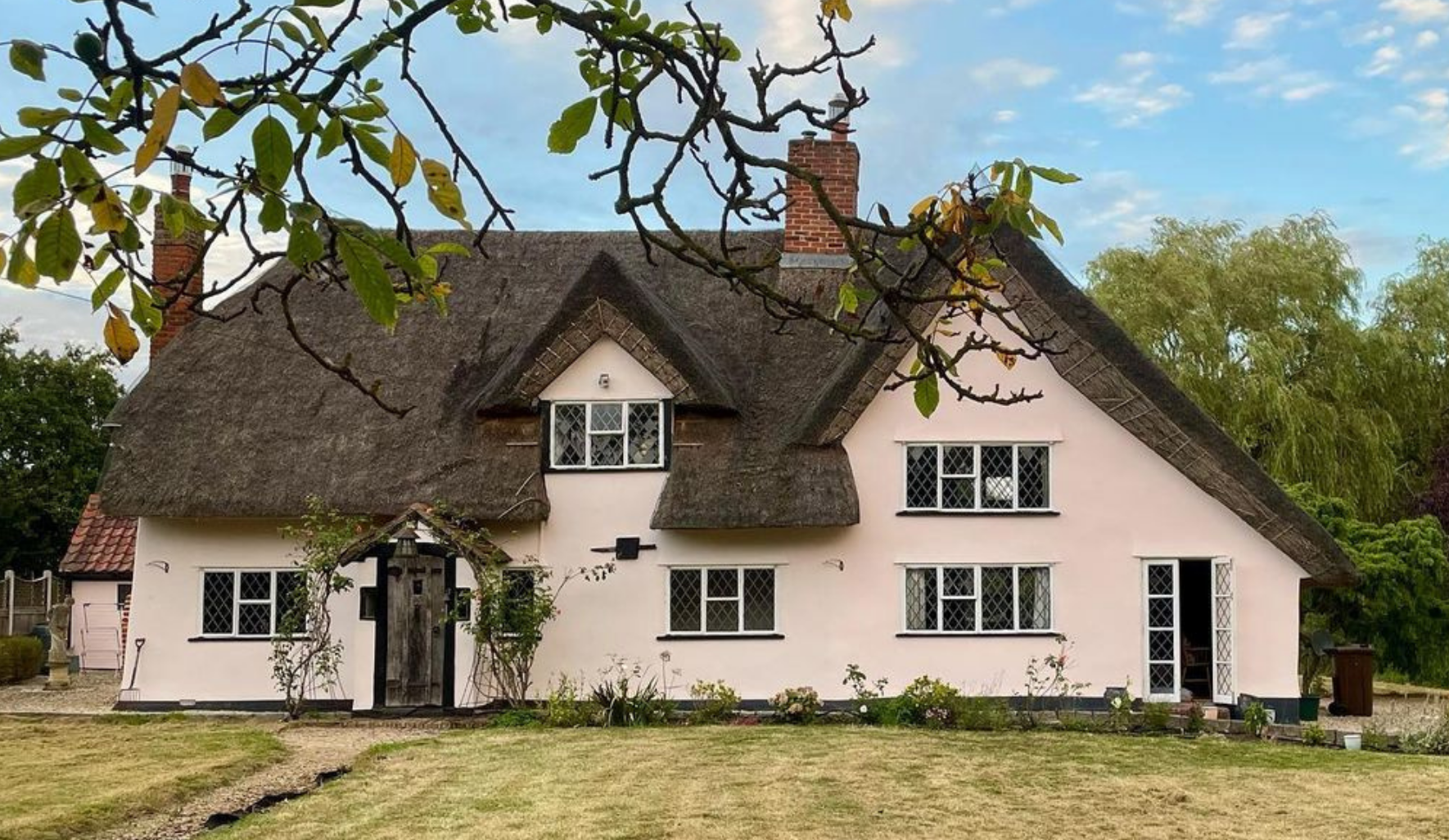
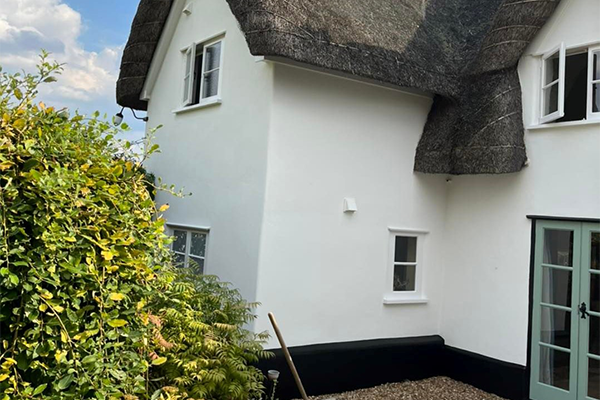
Stone cottages and rural homes

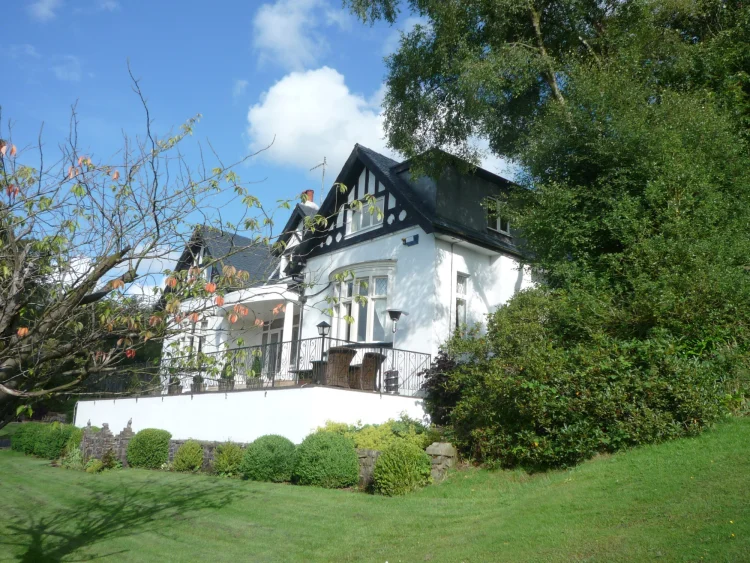
Victorian and Edwardian homes
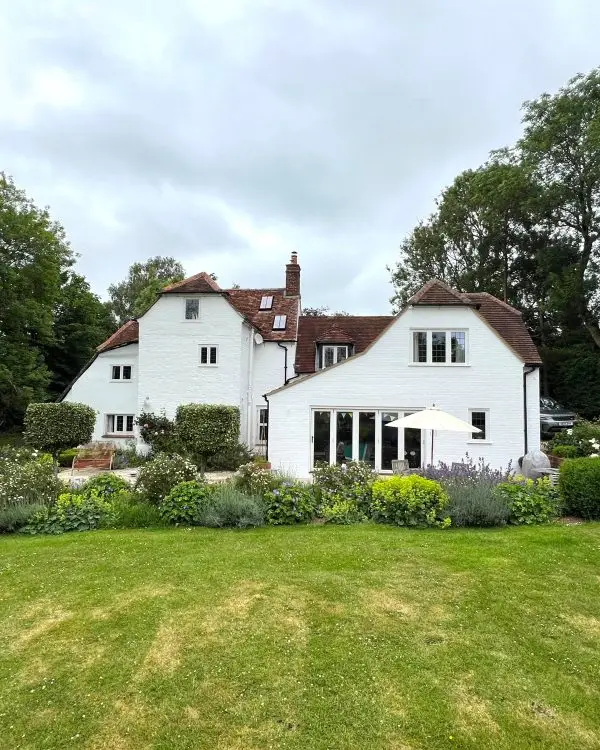
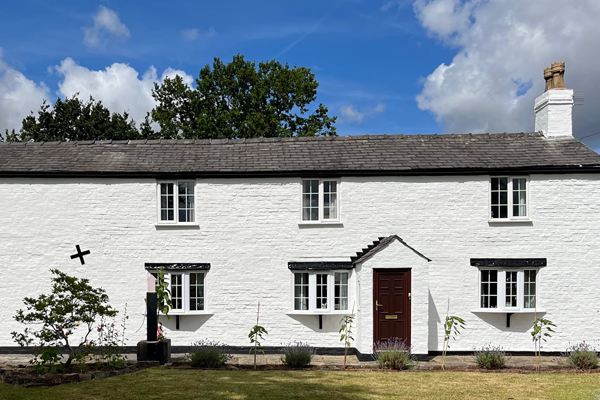
Listed and heritage buildings
The wrong paint can cause...
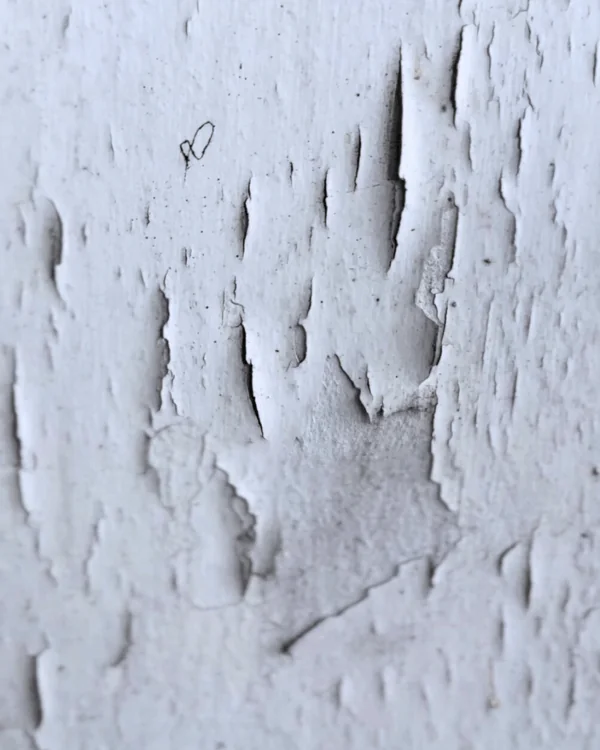

Peeling & flaking
Trapped moisture can push the paint away from the surface causing it to peel and flake off the lime render.

Damp patches
Lime render needs to breathe. If moisture can’t escape out the walls this can lead to damp patches showing up on the inside and outside of your walls.

Cracked render
Prolonged moisture weakens the lime render itself causing it to crack and breakdown the render. This could lead to costly repairs to the render or even having to re-render.
Choosing the right paint for lime render
When painting lime render, your home needs a paint that will work with it. Lime render is naturally breathable and often found on older properties, so using the wrong paint can trap moisture and lead to long-term damage.
That means the paint you choose needs to be:
Highly breathable – Allowing moisture within the wall to escape easily. This helps prevent damp build-up, peeling and damage over time.
Flexible – Can accommodate the natural movement found in older buildings. Unlike modern rigid structures, properties with lime render can shift slightly and the paint must be able to move with it.

A modern alternative
Designed to go beyond limewash
Limewash has been used for centuries on lime render due to its natural breathability, allowing moisture to move freely through the wall. While it works well with traditional materials, it often requires frequent reapplication and offers limited protection against weathering.
Emperor Masonry Paint is designed to provide the same breathability as limewash, but with added performance benefits, including:
- Highly breathable – Allowing moisture to escape and helping prevent damp
- Super hydrophobic – Causing rainwater to bead and roll off the surface
- Self-cleaning – Helping to keep walls cleaner for longer
- Lifetime Guarantee – Proven to last a minimum of 25 years

How the technology works
Many standard masonry paints create a compromise when applied to lime render. They either stop water from going into the wall but trap moisture inside or they let the wall breathe but offer very little protection.
Emperor Masonry Paint is designed to avoid this. The paint’s nano-technology contains millions of microscopic pyramid structures with tiny gaps between them. These gaps allow water vapour from inside the wall to escape, which maintains the natural breathability that lime render needs.
At the same time, water beads and rolls off the surface, due to the super hydrophobic properties, keeping the wall dry without sealing it.
This unique balance ensures that lime render can continue to perform as intended, while also being protected.

96%
reduction in water absorption
25yr
proven performance in harsh weather conditions
0.03
SD breathability value, similar to limewash
6°C
warmer walls on average vs untreated walls
14
quality standards achieved
What that means for you and your home
A breathable, healthier home
Moisture can escape naturally, helping to prevent damp, peeling and trapped water, keeping your home dry all year round.
A finish that lasts
No cracking, flaking or fading, just a clean, natural look that complements lime render and stays looking fresh for years.
Protection without compromise
Keeps rainwater out while still allowing the wall to breathe, protecting your render without trapping moisture.
The last time you’ll need to think about it
Apply it once and move on. With a lifetime guarantee and 25 years of proven performance, your lime render is protected for the long term.
How to paint lime render
Painting lime render can be done by anyone using the right paint and good quality tools.
Before you start, take time to prepare the surface so it’s clean, dry and sound.
Unlike harder forms of render, lime render cannot be power washed down when cleaning it as this can damage the surface. Instead, you must soft wash the lime render or clean it using a hose pipe.
Once cleaned, any bare masonry that isn’t painted must be primed before you paint. When the walls are prepared you can the apply the paint.
Plan your work in manageable sections and avoid stopping midway across a wall, as this can leave visible joins once dry.
For full step-by-step guidance, read our Emperor Masonry Paint application guide.
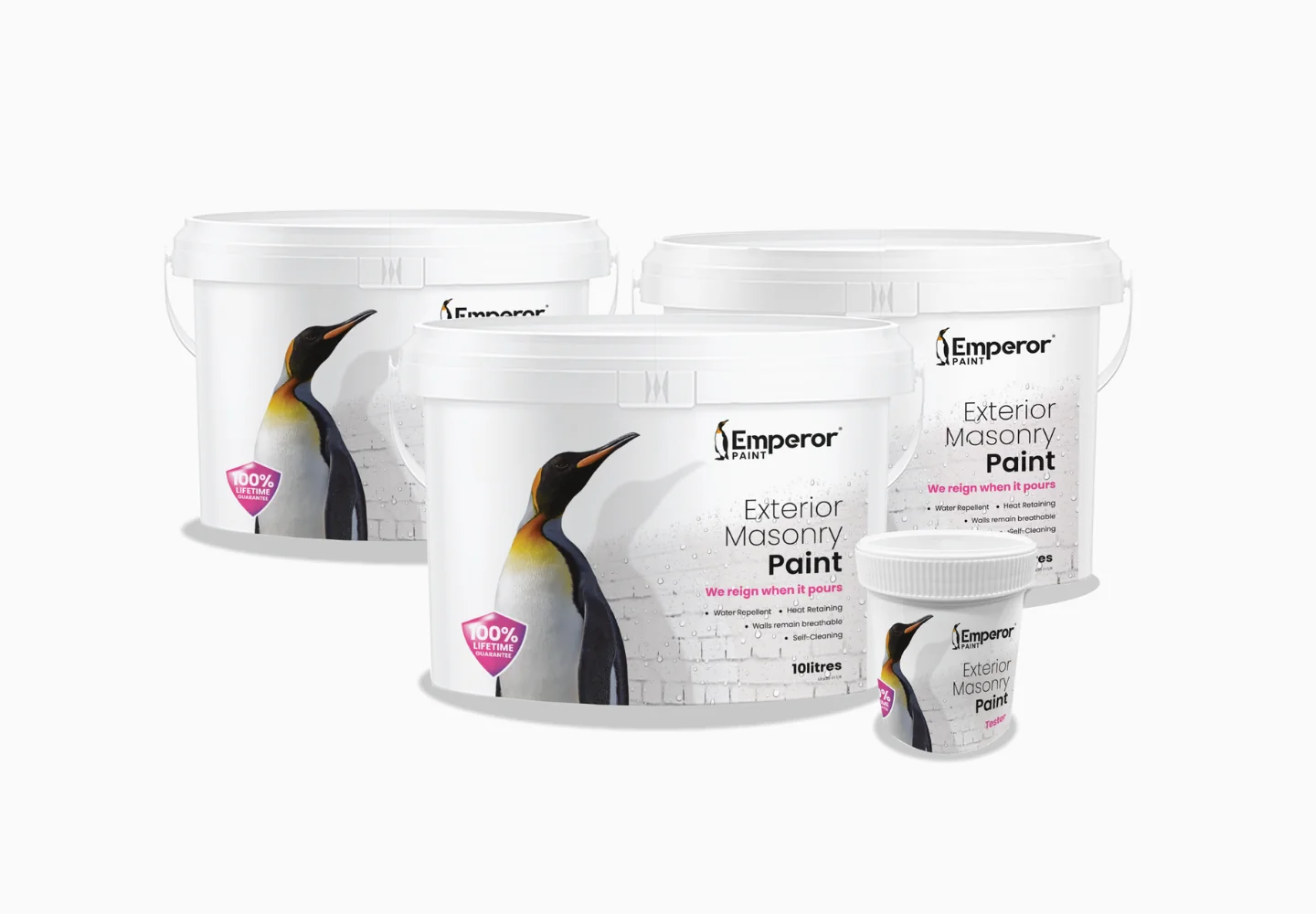
Emperor Masonry Paint
Designed for lime renderThinking of painting your lime render? Do it properly with a masonry paint specifically designed to be used on lime render, supporting its natural breathability while strengthening and protecting the surface long term.
✓ 25 years proven performance
✓ Lifetime guarantee
✓ Highly breathable for lime compatibility
✓ Independently tested and certified


Content reviewed by Emperor Paint technical team – specialists in external coatings with an average of over 25 years experience in the building industry.
Frequently asked questions
Can you paint over lime render?
Yes, lime render can be painted but only with a breathable paint. Using the wrong type of paint can trap moisture inside the wall and cause long-term problems.
Why shouldn't you use limewash?
Lime render was traditionally painted with limewash. As it has been around for thousands of years, limewash has been a staple form of paint finish on older properties.
The problem with limewash is that it offers no real protection. It allows moisture to soak into the wall and is designed to erode naturally within 1-2 years. While this maintains breathability, it does nothing to stop water from entering the wall.
Over time, this can create damp conditions, mould growth and breakdown of the render itself. As it isn’t designed to resist weather, limewash typically needs to be re-applied almost annually.
Does painting lime render stop damp?
If you are suffering from penetrating damp, painting lime render can help. It prevents rainwater from soaking into the walls, while not trapping it. Over time, this reduces the amount of water held in the wall and allows it to dry out naturally.
How do you prepare lime render for painting?
One of the most important aspects of any exterior painting is ensuring the surface is clean, sound and ready to be painted.
Unlike harder forms of render, lime render cannot be power washed down when cleaning it, as this can damage the surface. Instead, you must soft wash the lime render or clean it using a hose pipe.
It’s recommended once large-scale dirt is removed to apply a fungicidal cleaner, which will kill any green growth or other fungus that is attached to the external wall.
Once completely dry, clean and sound, you can then apply your chosen paint for lime render.

Explore other surfaces

Painting silicone render
Learn how to paint silicone render the right way, including surface preparation and the best products for a lasting finish.

Painting brick & stone
Discover the best way to paint your brick or stone, from the right prep to what products to use.

Browse all surfaces
No two surfaces are the same. Find the right approach for your home and get lasting results you can be proud of.