
How To Repaint The Outside Of Your House
If the outside of your home is fading, peeling or just looking a bit tired, it may be time to repaint.
But, repainting is often more than just another coat of paint. Taking time now to prep the surface properly and address any underlying issues will help create results that lasts, so you’re not having to repaint again in a few years time.
In this blog, we will cover:
- How to tell when your exterior walls need repainting
- Whether you can paint over existing masonry paint
- The correct way to prepare previously painted exterior walls
- The most common repainting mistakes and how to avoid them
 Key takeaways
- Most problems from repainting an exterior wall come from poor preparation.
- Existing paint does not need to be removed, but any peeling paint must be dealt with before painting.
- Repainting is often triggered by a problem, like peeling paint, fading colour, damp patches or weather damage. Identifying the cause before repainting helps prevent the same issue returning.
When should you repaint your house?
In the UK, exterior paint doesn’t last forever, thanks to constant exposure to rain, UV and changing temperatures
Signs that it’s time to repaint include:
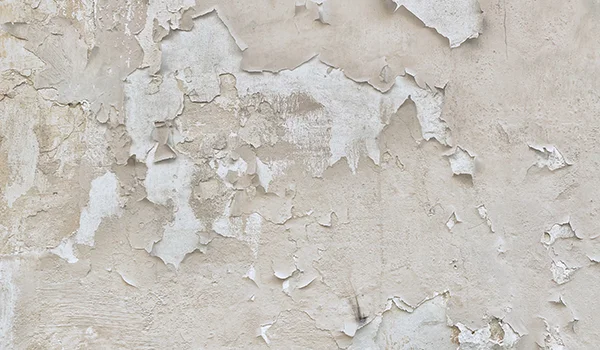
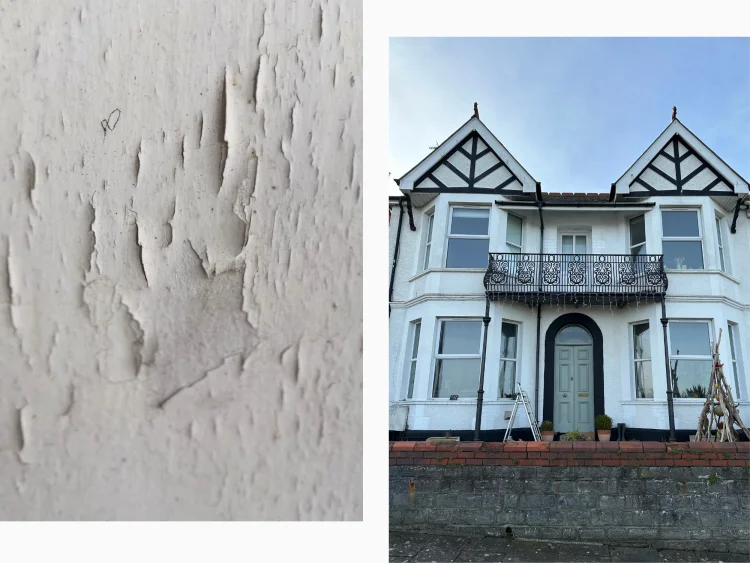
- Flaking paint
- Damp patches
- Faded colour
- Visible cracks
- Algae and green growth build-up
If you’re seeing any of these issues, it’s worth investigating further to see what may be causing them so you can address the underlying problem.
Can you paint over existing masonry paint?
In most cases, yes you can paint over existing masonry paint as long as it is sound. Existing masonry paint does not need to be completely removed before repainting.
Before starting it’s important to check your walls for any loose paint, chalky surfaces or signs of trapped moisture.
Top tip: A simple test is to run a scraper across any suspect areas. If the paint lifts easily, it should be removed and the surface repaired before painting.
Preparing exterior walls
Proper prep is essential for achieving a long-lasting finish.
Start by removing any loose or peeling paint from the walls using a paint scraper. Continue scraping until you reach what is known as a firm edge, where the surrounding paint can no longer be easily lifted or chipped away.
Once any failing paint has been removed, inspect the wall for cracks, holes or damaged areas. These should be repaired with a suitable exterior filler to create a smooth and sound wall ready for repainting.
Finally, the wall should also be thoroughly cleaned to remove dirt, algae and other contaminants that could stop the paint sticking to the wall.
Firstly use a pressure washer or hosepipe to wash down the walls to remove larger areas of dirt.
Then use a fungicidal cleaner like Emperor Exterior Cleaner tackle any organic growth. Once cleaned, allow the wall to dry fully before moving on to the next stage.
Priming
One of the most common questions when repainting exterior walls is whether a primer is needed.
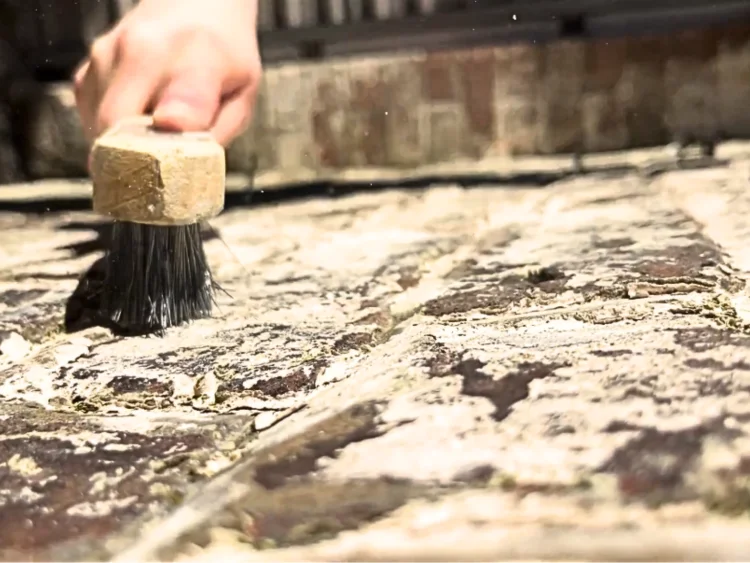
Any areas of masonry that do not have a sound layer of paint must be primed first before repainting. This helps ensure consistent absorption across the wall and provides a sound surface for the new paint to stick to.
For best results, use a masonry primer that is compatible with your chosen paint system. Applying the correct primer before painting is really important to allow your chosen paint to perform as it is designed.
Applying the right masonry paint
Repainting your home takes a good amount of time, effort and money to do right, so it’s important to understand why the existing paint didn’t perform before choosing a replacement.
When selecting a new masonry paint, look for one that not only improves the appearance of your home, but also helps address the factors that may have contributed to the repaint in the first place.
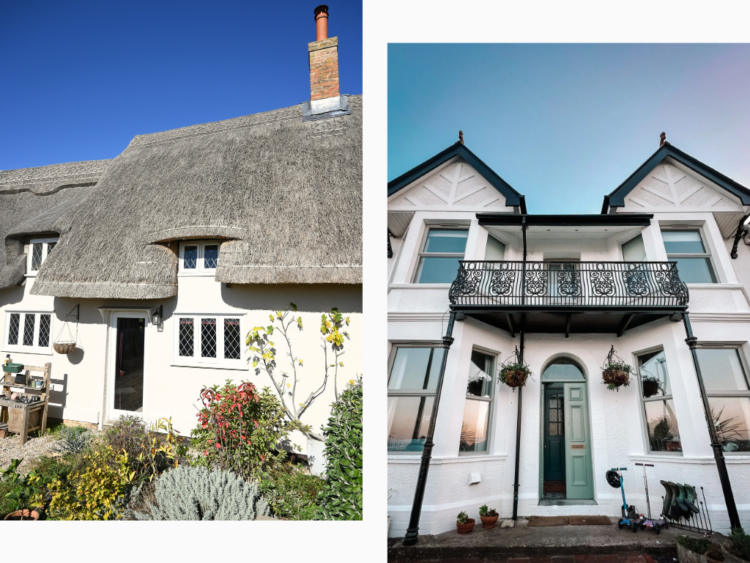
That’s what Emperor Masonry Paint was designed for. It combines breathable and super hydrophobic technologies to help protect against moisture, the most common cause of masonry paint deterioration. Backed by over 25 years of proven performance and a lifetime guarantee, it reduces the need for future repainting, so you not only save money over-time but a lot of hassle too.

Before you begin, check the weather forecast and avoid painting if rain, frost or extreme temperatures are expected.
Exterior walls should be completely dry before paint is applied, as moisture can affect adhesion and overall performance.
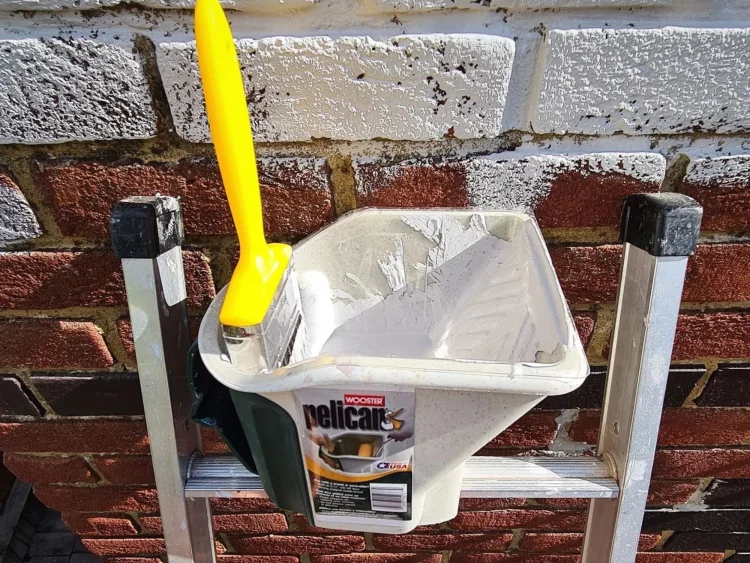
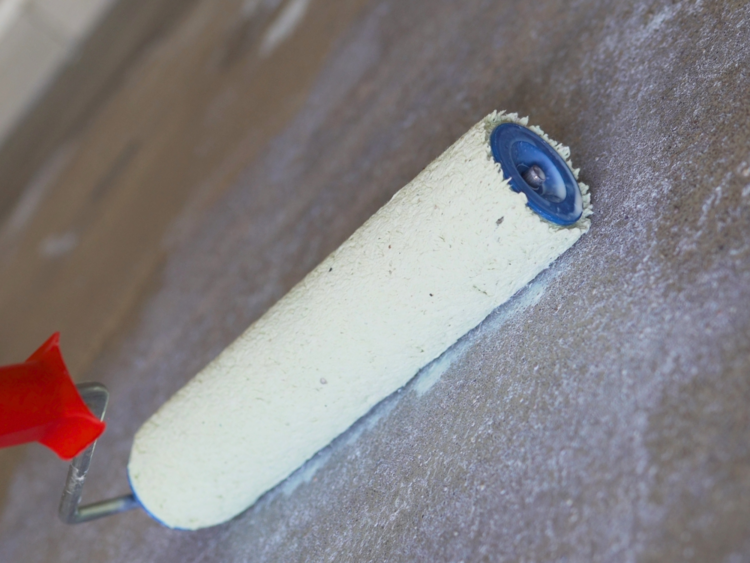
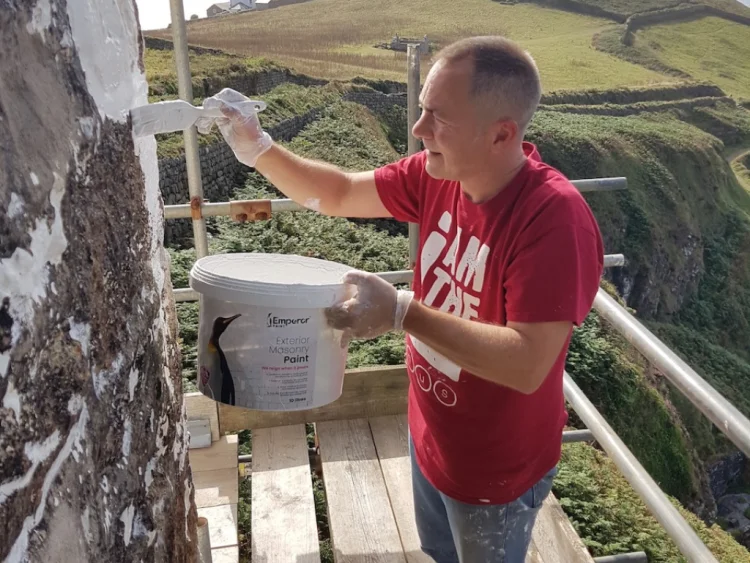
The easiest way to apply the paint is with a combination of a masonry brush and a long-pile roller.
For the best results, work from the top of the wall downwards and maintain an even coverage across the surface. Most masonry paints require two coats, although drying times and coverage rates will vary between products.
Always allow sufficient drying time between coats and follow the recommended application guidance for your chosen paint.
Common mistakes to avoid
Most problems following painting exterior walls can be tracked back to a handful of common mistakes. Avoiding these will not only help you get results that last, but will also save you time and effort along the way.
Common mistakes we often see include:
- Repainting without getting to the bottom of why problems started in the first place
- Painting over a poorly prepared surface
- Using a low breathability paint when your home has suffered from moisture-related damage like peeling paint before
- Rushing between coats, causing the paint to form one thick coat of paint that can peel much easier
- Working in direct sunlight – masonry paint can dry too quickly in hot conditions
Frequently asked questions
What is the best time of year to paint exterior walls?
Spring and summer are generally the best times to paint exterior walls, as dry conditions and temperatures between 5°C and 25°C help ensure proper adhesion and drying.
Can you paint over old masonry paint?
Yes, provided the existing paint is sound and any loose or flaking areas are removed before repainting.
What surfaces can Emperor Masonry Paint be applied to?
Emperor Masonry Paint can be applied to most exterior surfaces, including brick, stone, render, concrete and pebbledash. It is suitable for both previously painted and unpainted masonry, provided the surface is sound, clean and free from loose or flaking material.
Why should I choose Emperor Masonry Paint when repainting my house?
Emperor Masonry Paint combines breathability with super hydrophobic technology, helping to keep walls dry while providing long-lasting protection against rain, UV rays and weather damage.
If you have more questions, we are here to help with our in-house team of experts. You can chat to them by emailing [email protected] or give them a call on 01254 936121.
Not sure what is right for your walls? Take our handy quiz to get personalised recommendations and find the right products for your project in a few clicks.
Thinking about a project? Start yours by ordering your sample and see how Emperor Masonry Paint performs on your home.
This article was written by the Emperor Technical Team, a group of experts with an average of over 25 years experience in the building industry. They work daily with homeowners, tradespeople and specification professionals to deliver practical, expert guidance that promotes long-term results, supports wall health and helps create homes that are prepared for the future.