

The Ultimate Guide To Log Cabin Treatment
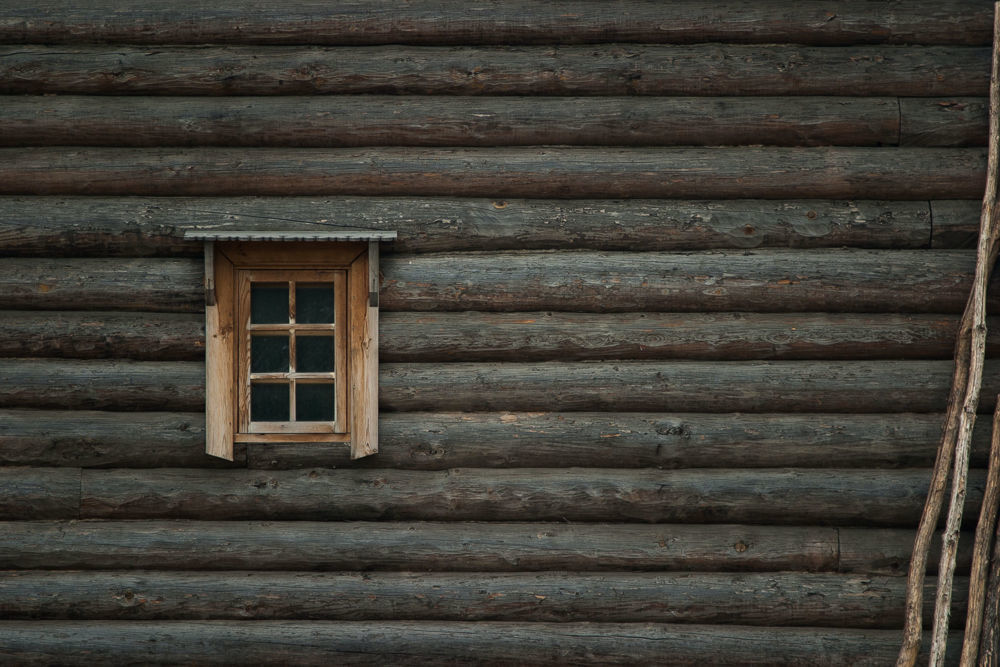
Are you looking to treat a log cabin with a protective treatment to help provide it with the added durability it needs to withstand the elements? Finding the right treatment for any exterior wood can be difficult, which is why we have put together this guide to log cabin treatment so you can ensure your log cabin is protected and stays looking at its best.
In this guide we will cover:
- Why applying a treatment important
- Which products you can use
- The best way to treat a log cabin
 Key takeaways
 Key takeaways
- Untreated log cabins absorb moisture over time, which can lead to rot, splitting, warping and organic growth.
- The best log cabin treatments repel rainwater while still allowing the timber to breathe naturally.
- Protecting a log cabin early helps reduce maintenance, preserve the natural look of the timber and extend its lifespan.
Why Is Applying A Log Cabin Treatment Important?
Log cabins are built from thick, full or half-cut logs, creating strong, insulated outdoor structures often used as summer houses and garden buildings. Like all exterior materials, they need protection to withstand year-round weather.
Most exterior materials, including brick, concrete, stone and wood, are porous mineral surfaces, meaning they absorb water. Wood is especially vulnerable due to its natural structure and high porosity.
How moisture damages exterior wood:
- Swelling and shrinkage – causes warping and splits in the grain
- Rotting – fungal decay that weakens the timber
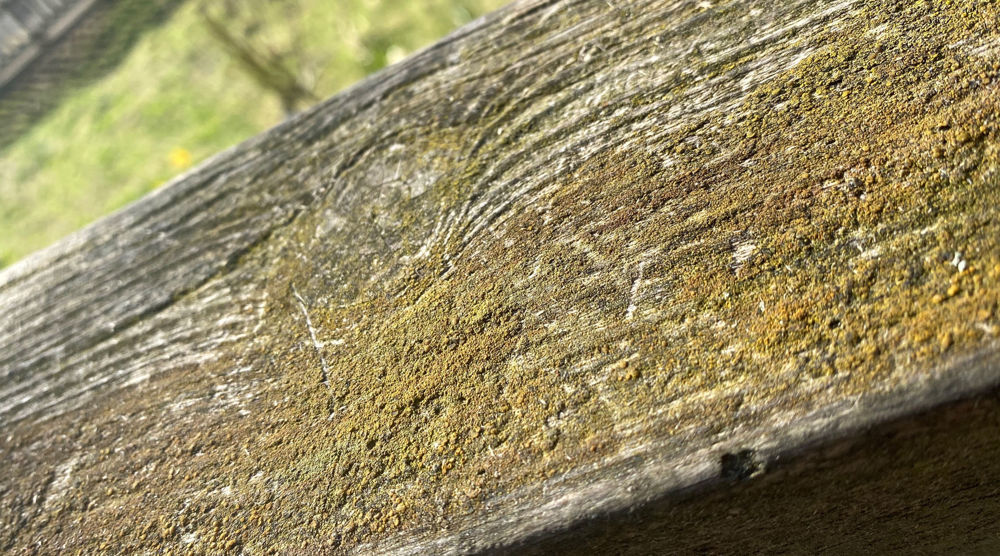
- Organic growth – mildew, algae and moss that spread across the surface
- Discolouration – darkening and surface damage over time
These issues continue until water ingress is prevented, which is why moisture control is essential for protecting log cabins.
Other weathering damage:
- UV silvering – sunlight bleaches untreated wood, fading its natural colour
The most effective way to protect a log cabin is prevention. Whether the wood is new or already weathered, applying the right protection helps:
- Extend lifespan
- Reduce maintenance
- Keep timber looking its best long-term
What Is The Best Way To Treat A Log Cabin?
The most effective way to protect a log cabin is with a high-quality, water-repellent wood waterproofer. Untreated timber absorbs moisture, which leads to long-term damage such as:
- Cracking and splitting
- Swelling and warping
- Rot and decay
It’s important to note that not all wood treatments are truly waterproof. Many paints, stains and varnishes only offer surface-level protection, allowing moisture to soak into the timber over time.
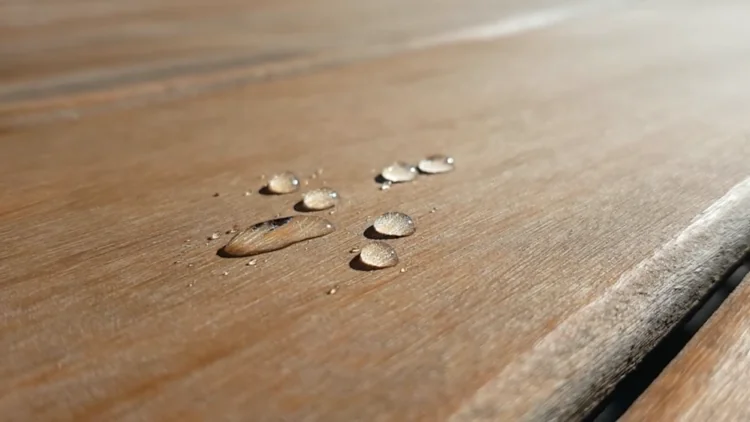
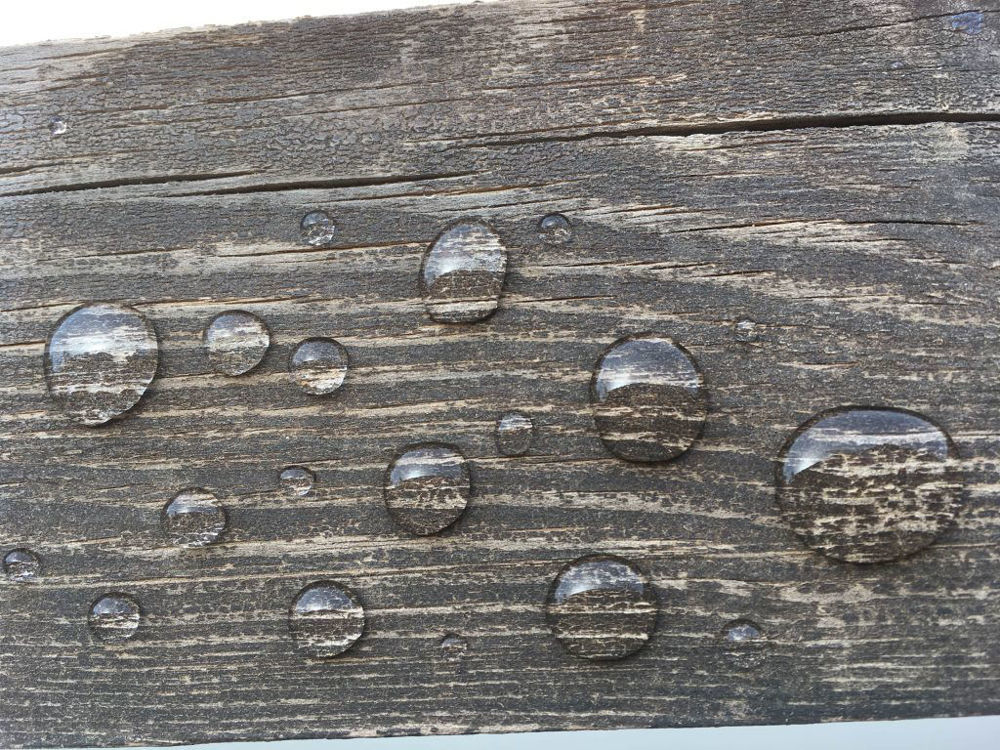
This is why breathable wood waterproofers are often the best choice for exterior timber if protection is your priority. Products like Emperor Exterior Wood Waterproofer are designed to repel rainwater while still allowing trapped moisture to escape naturally, helping the timber stay drier over time.
As the treatment bonds into the wood itself rather than forming a surface film, it dries invisible and keeps the natural look of the timber. This also means it doesn’t peel or flake like some traditional coatings or paints.
A Guide To Treating Log Cabins
Treating a log cabin is simple if you follow the right steps. The most important part of the process is preparation, as this ensures the treatment performs properly and lasts longer.
1. Clean the wood – Remove surface dirt
- Use a power washer for heavy dirt
- Uses a soft brush and warm, soapy water for light dirt
- Lightly sand stubborn areas if needed
2. Treat fungal growth – wood under 12 months old rarely needs this step. Only treat if you see:
- Lichens
- Moss
- Mildew
Use Emperor Exterior Cleaner and allow it to dry for 2 hours before continuing.
3. Protect surrounding areas – Before applying treatment
- Mask edges with tape
- Cover windows with film
- Lay dust sheets to protect floors
4. Apply the treatment – Apply Emperor Exterior Wood Waterproofer
- Use a brush roller or pump sprayer
- One coat only
- Coverage: 5m² per litre
- Touch dry in 1 hour at 20°C
- Dries completely clear
Once applied, the treatment provides long-lasting protection and won’t need reapplying for in excess of 25 years.
Frequently Asked Questions
Do I need to treat the inside of a log cabin?
By applying a waterproof coating to the exterior of the log cabin, you prevent the moisture from entering the structure through water ingress. This means you don’t need to apply anything to the inside of the structure.
How often do I need to reapply the log cabin treatment?
Emperor Exterior Wood Waterproofer is independently proven to protect wood for 25 years, with no performance loss after testing. It also includes a 10-year manufacturer fungicidal guarantee, delivering long-lasting protection without frequent reapplication.
How much will I need?
Measure the length and height of each wall and multiply these numbers together. For example, if one wall is 5m in length and 2m high, the total square metres of that wall is 10m². Repeat this for all walls of the log cabin and add these numbers together to give you the total square metres.
Emperor Exterior Wood Waterproofer has a coverage of 5 m² per litre and is a one-coat treatment, meaning a 5L will cover 25 m² in total.
What is the difference between water-based and oil-based?
Water-based products dry in 1-2 hours, have low odour, low VOCs and are more environmentally friendly. In contrast, oil-based products can take 3-8 hours to dry and often have strong smells, which is why many homeowners prefer water-based options.

We hope we have answered any questions you may have had regarding log cabin treatment.
If you have any other questions, feel free to get in touch with our team of experts who are on hand to help. Contact them today by emailing [email protected] or calling them on 01254 936121.
Ready to start? Order Emperor Wood Waterproofer for your project and get free delivery on all orders.
This article was written by the Emperor Technical Team, a group of experts with an average of over 25 years experience in the building industry. They work daily with homeowners, tradespeople and specification professionals to deliver practical, expert guidance that promotes long-term results, supports wall health and helps create homes that are prepared for the future.


