

The Complete Guide To Solid Wall Insulation
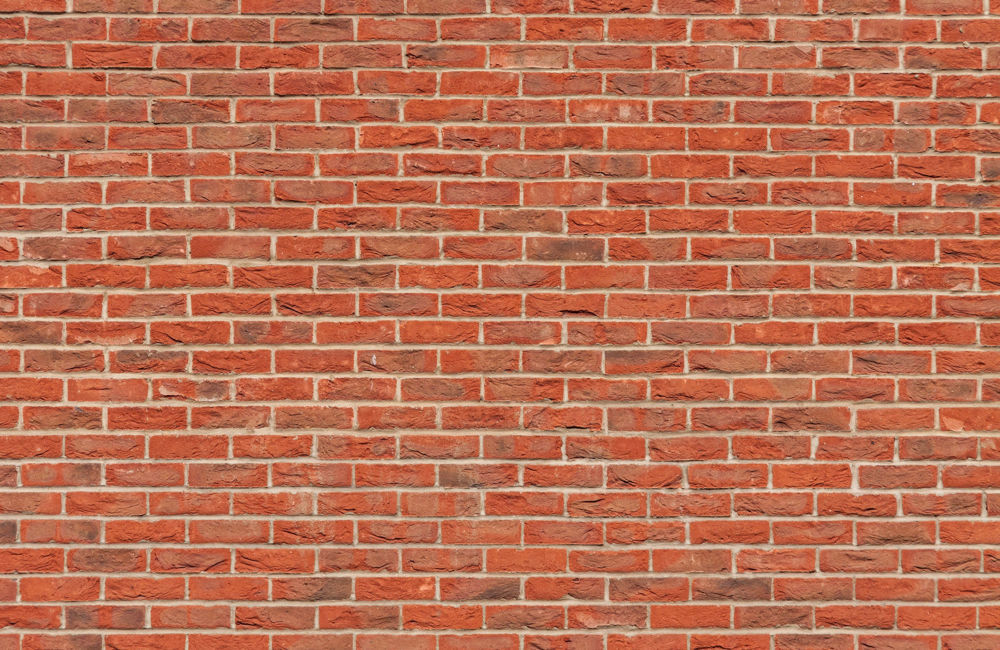
With energy prices rising, it’s important that our homes are insulated as effectively as possible. When it comes to insulation for solid walls, things aren’t always straight forward, which is why we have put together our complete guide to solid wall insulation, so you can get the information you need to keep your solid wall house warm all-year round.
In this guide we will cover:
- What a solid wall is
- Solid wall vs cavity wall insulation
- The difference between a solid wall and a cavity wall
- Types of solid wall insulation
- The importance of insulating solid walls
- How to apply external waterproofing
What Is A Solid Wall?
Solid walls are as the name would suggest, properties with one singular solid wall all the way through. Traditionally, properties built before the 1920’s were all solid wall construction, with the majority of houses built post the 1920’s being built with what is known as a cavity wall.
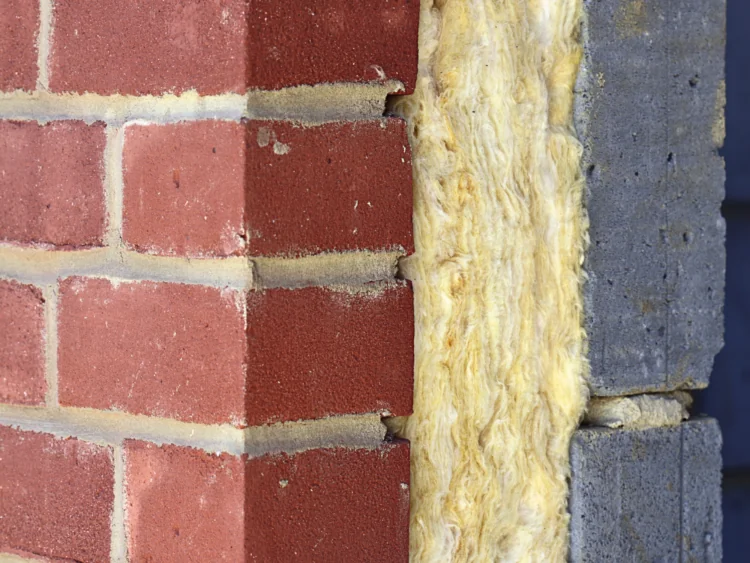
A cavity wall property is constructed using two walls with a cavity or gap in the middle. This hollow centre was developed in order to prevent moisture that absorbs into the wall from rainfall from entering straight through into the interior of the property. By having a gap between two walls, water can be drained through weep holes at the base of the cavity wall, helping to ensure the property stays dry and free from damp.
Solid Wall Insulation Vs Cavity Wall Insulation
Since the 1990’s properties have generally been added with cavity wall insulation in order to help keep the heat in. This could be either as part of the original construction order added at a later date as part of a process of improving the insulation of the property.
Cavity wall insulation involves injecting insulation material into the cavity from the outside of the wall. This insulation material generally made of wool or polystyrene beads, which help to prevent the transfer of heat through the wall.
How To Tell The Difference Between A Solid Wall Or A Cavity Wall
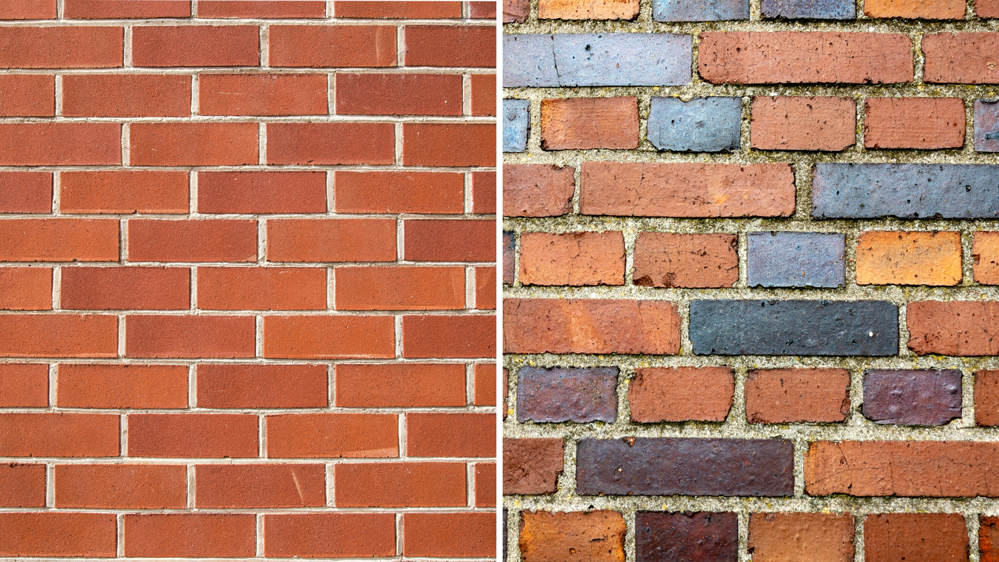
Knowing your wall type helps you choose the right insulation. You can spot the difference by looking at the brick pattern and wall feature.
Cavity walls usually have a neat, even brick pattern with bricks laid lengthways. Solid walls often show a mixed pattern, with some brick laid across the wall, which creates a more uneven look.
Cavity walls can also be spotted if there are small holes at the bottom of the wall.
Types of Solid Wall Insulation
Due to the inability to add cavity wall insulation to a solid wall property, there are a number of alternative insulating measures that can be applied to solid walls, including internal wall insulation, external wall insulation, thermal insulating paint and external waterproofing.
Internal wall insulation
Internal wall insulation involves applying insulating boards to the internal wall of a property. This insulation is available in different materials and thicknesses, plus it is often pre-attached to plasterboard for easy application.
Benefits
- Can be applied to on solid wall properties when there is no cavity to insulate
- Can be cheaper than applying external insulation to a property
Drawbacks
- Can be invasive, as fixings such as kitchen worktops may need to be removed in order to apply the insulation
- If moisture enters the property through penetrating damp this insulation can become easily saturated and impact its performance
- Reduces the floor space of a property
External wall insulation
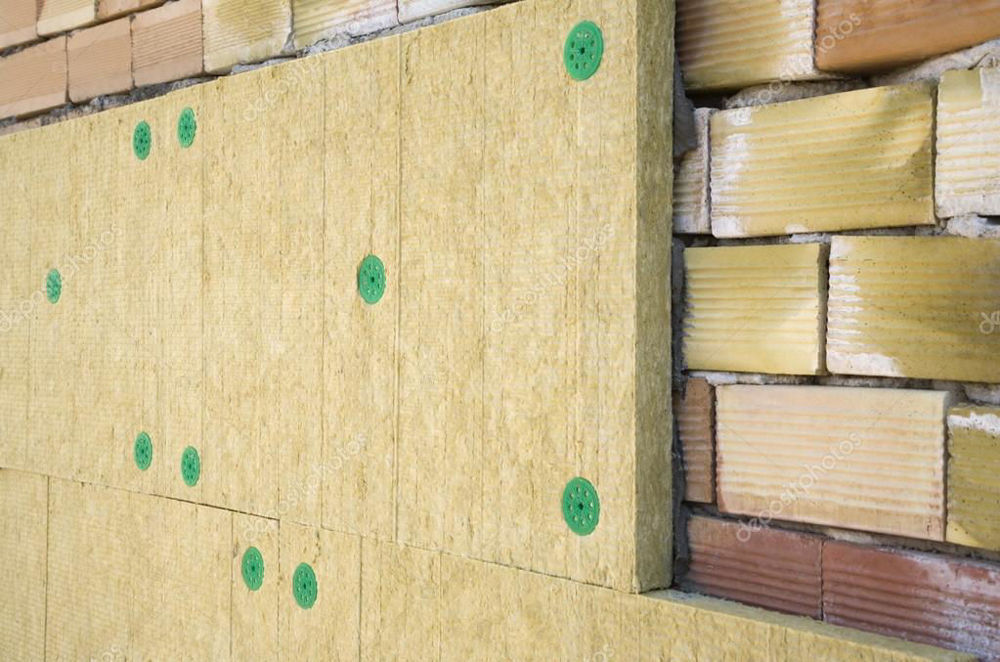
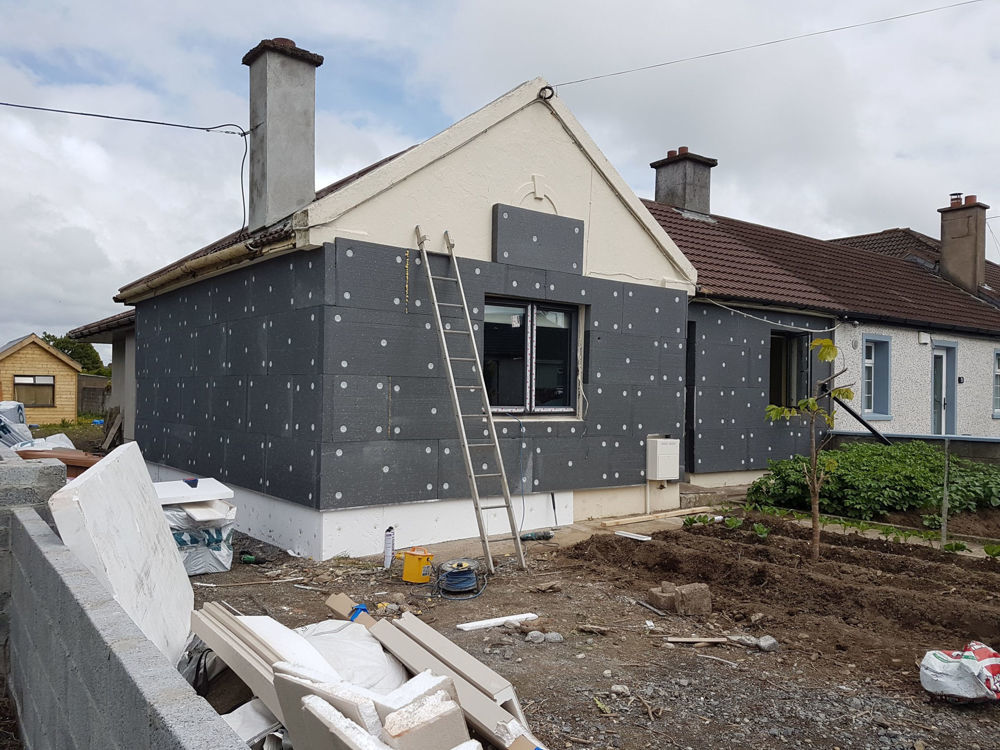
In the same way as internal wall insulation, external wall insulation (EWI) is a form of insulating layer, this time applied to the outside wall of a property. External wall insulation is made up of numerous layers, with a layer of insulating material on the inside and a layer of render on the outside to protect the insulation. The material used can vary, but is often contains a layer of cement render or cladding with insulating boards made of cork, wood or wool.
Benefits
- Can be applied to any property, whether it has a solid wall or cavity wall
- Can enhance the aesthetic appeal of a property at the same time as insulating, helping to create a modern, rendered look to the exterior
Drawbacks
- Although not invasive, it can be a large project to undertake
- EWI can be expensive – according to Checkatrade external wall insulation on a detached property can cost as much as £20,000
- Rendering the outside of a property may not be desirable for many, especially if you want to maintain the features of a traditional property
- Often planning permission must be granted to add EWI to a property
Thermal insulation paint
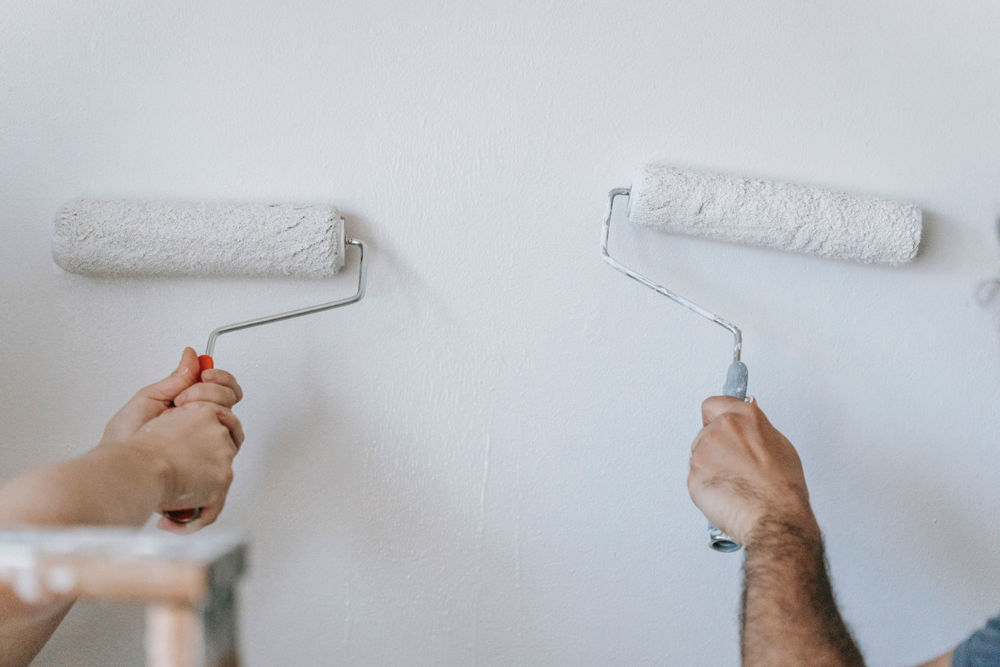
Thermal insulating paint is an internal emulsion that can assist with keeping interior walls dry and in turn warmer. Glass microspheres absorb heat and become charged, much in the same way as a battery. This allows them to hold heat longer than standard emulsion paint, allowing it to prevent the formation of condensation on the wall. This deters black mould and means the heat is recycled back into the room rather than all being lost through the external wall of the property.
Benefits
- Prevents the formation of condensation, which reduces black mould growth in problem rooms such as bathroom and kitchens
- Not invasive
- Can be overcoated with any decorative paint or wallpapered over
- Is a cost-effective and DIY-friendly insulating solution
Drawbacks
- Thermal insulating paints can assist with improving the energy efficiency of a property, however the insulating properties are not as high as other insulating measures
- Only available in white as standard, although this can be overcoated with other paints
External waterproofing
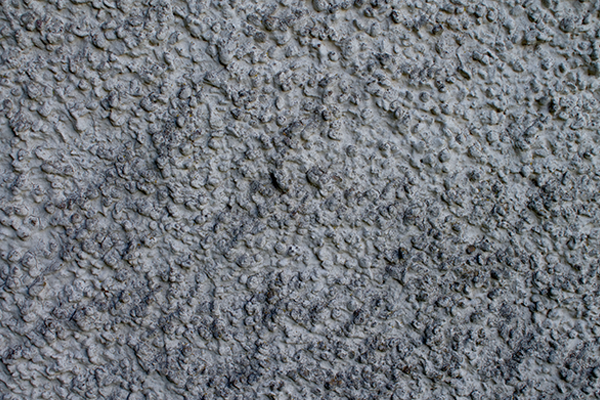
Moisture can drastically reduce a wall’s insulating performance, with just 5% damp cutting efficiency by up to 50%. Exterior walls naturally absorb water over time because materials like brick, stone, concrete and render are porous, leading to heat loss.
Emperor Masonry Paint and Emperor Masonry Creme use super hydrophobic technology to repel water while remaining highly breathable. This helps keep walls warm and dry without trapping moisture inside, allowing water vapour to escape naturally.
It’s essential that you choose breathable waterproofing products, as low-breathability costing or sealers can trap moisture, cause damage and lead to peeling.
Benefits
- Both Emperor Masonry Paint and Emperor Masonry Creme were found to keep a masonry wall up to 6°C warmer on average compared to an untreated wall. This meant they passed the EAD 040083-00-0404 (External thermal insulation composite) Quality Standard, demonstrating their insulating properties.
- Have a 25-year proven performance in harsh weather conditions and comes with a lifetime guarantee
- Not invasive on the property
- Can be applied to any property
- Improves the aesthetic appeal of a property by reducing discolouration, efflorescence and organic growth such as lichens or moss
- Waterproofing the external walls of a property can benefit any house, whether it has a cavity wall or solid wall
- Is DIY-friendly and much cheaper than other insulating measures
- Can be used in combination with other insulation to prevent this from being saturated, including external insulation, internal insulation and cavity wall insulation
- Helps prevent penetrating damp
Drawbacks
- The insulating benefits you receive will vary from house to house, depending on the type of build and the level of moisture
- Listed buildings require planning permission before applying anything to the outside of the house
- If not applied correctly, like any paint or treatment, you can run the risk of this not performing to the maximum potential
Discover more: Masonry Paint & Masonry Creme
The Importance Of Insulating Solid Walls
According to the English Housing Survey 2018 Energy Report, homes with poor insulation, single-glazed and uninsulated solid walls are more likely to experience damp. Older properties, particularly those built before 1920, typically perform worse for energy efficiency due to their solid wall construction and lack of modern insulation.
Solid walls absorb and retain moisture because they lack a cavity to allow water to drain. Wet walls lose heat faster than dry walls, reducing thermal efficiency. While cavity walls also experience heat loss, the cavity helps limit thermal bridging.
Older solid wall properties were designed to breathe, allowing moisture vapour to pass through the structure. Adding non-breathable internal or external insulation can trap moisture and cause condensation problems.
To effectively insulate solid walls, it’s essential to prevent water ingress while maintaining breathability. Applying a highly breathable waterproofing treatment, either alone or alongside external wall insulation (EWI), helps keep walls dry and insulation effective.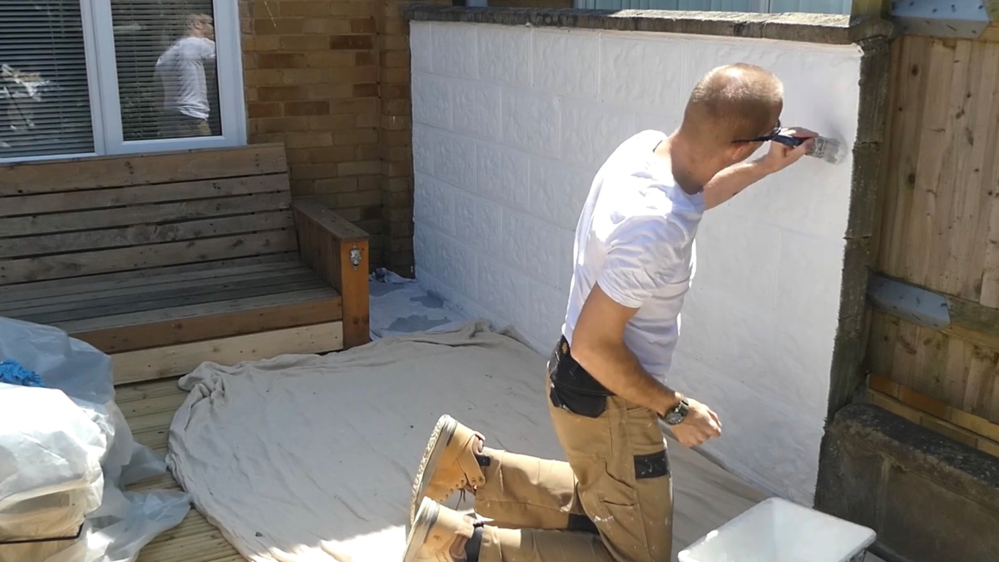
How To Apply External Waterproofing
How To Apply External Waterproofing
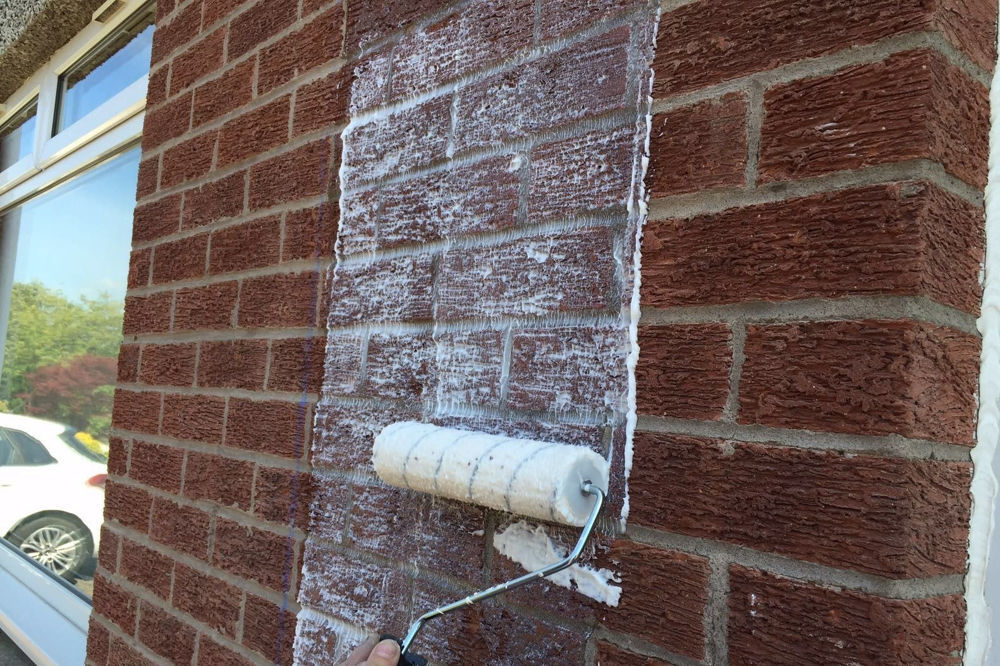
The application process for external waterproofing treatments depends on the product you choose. Emperor Masonry Paint must be applied in two coats, with one coat of primer applied if you are painting bare masonry. If you are applying Emperor Masonry Creme, it is a clear system that requires only one coat and can be applied to any bare masonry surface.
Preparation
- Clear the area – Move obstacles and protect plants/soil with sheeting.
- Thoroughly clean the wall – Hose, power-wash or scrub with hot water and a stiff brush until all dirt is removed.
- Treat fungal growth – Apply a fungicidal cleaner such as Emperor Exterior Cleaner and leave for 2 hours.
- Rinse only if using Masonry Creme – Do not rinse if using Masonry Paint.
- Check surface is fully dry – Only proceed when the masonry is dry, and the weather is dry.
Prime bare masonry only if you’re using masonry paint
- Apply primer – Brush or roller one coat of Emperor Exterior Primer to bare, unpainted masonry (coverage 5-8m² depending on porosity).
- Allow primer to dry – 3-5 hours (depending on the weather).
Application: Emperor Masonry Paint
- First coat – Start at the top, cut in the edges first, then use a masonry brush, long-pile roller or spray. Optionally dilute the first coat by 10% with water.
- Coverage – 5-6m² on smooth/semi-rough surfaces and 3m² on heavily textured surfaces.
- Drying – Touch-dry in 1-2 hours and fully dry in 5-8 hours
- Second coat – Apply the second coat the same way and allow to dry fully.
Application: Emperor Masonry Creme
- Single coat application – Apply with a brush or long-pile roller at 5m², working evenly across the surface.
- Absorption – Leave the product to soak in; it will become invisible within 1-2 hours.
- No further coats required – Once absorbed, the treatment is complete.
Final checks & tips
- Inspect the finish – Ensure even coverage and no missed spots around edges or details.
- Avoid wet weather – Don’t apply if rain is expected or masonry is damp.
- Maintenance – Re-check for organic growth or wear periodically and retreat as needed.
Read more: How to apply
Frequently Asked Questions
Will applying a waterproofer to solid walls create a seal?
Traditional masonry ‘sealers’ used in the UK were designed to completely block moisture. While they stopped water from entering, they also trapped water vapour inside the walls. This often led to serious issues such as damp problems, crumbling, spalling bricks and premature product failure.
Emperor Masonry Paint and Emperor Masonry Creme are different. Using modern nano technology, they protect solid walls from water ingress while still allowing trapped moisture to escape. This helps the building maintain its natural breathability. With SD values below 0.5, they meet British Standards for breathable materials, helping to prevent long-term damage.
Will waterproofing exterior walls be effective on previously painted walls?
Yes, the majority of standard masonry paints in the UK are what is known as acrylic-based. Acrylic-based paints are generally not water repellent, meaning they will absorb moisture. Due to the lower breathability of acrylic-based paints, this moisture becomes trapped in the external wall and saturate the material leading to heat loss.
Emperor Masonry Paint will chemically bond to previous paint, meaning that moisture can still naturally breathe out of the paint. By reducing the amount of moisture entering the wall, this keeps the surface dry and more energy efficient.
How does the lifetime guarantee work?
As our wall products have been independently tested to withstand harsh weather conditions for a minimum of 25 years, we offer a lifetime guarantee on Emperor Masonry Paint and Emperor Masonry Creme. To qualify for the guarantee, you must simply apply the products in-line with the manufacturer’s instructions and guidelines. If applied correctly, in the case of a fault with the product, we will replace the materials free of charge.
Is there a U-value for Emperor Paint products
There is no U-value applied to Emperor Paint products as the level of energy that can be saved by applying them to a property can vary from house to house. The amount of water that is present in the property, the conditions and other insulating measures can all impact the rating that can be applied to a property.
How long after application will I see energy saving benefits?
The time it will take for a property to start benefiting from applying Emperor Paint products will vary depending on the level of moisture and the construction of the property. A solid wall that has been saturated with moisture over many years will take time to release this moisture, as while no more moisture will absorb into the masonry, it will take time for moisture to dry out.
We hope we have answered any questions you may have had regarding insulation for solid walls and the various insulating measures available to homeowners. If you have any other questions feel free to get in touch with our team of experts who are on hand to assist you. Contact them today by emailing [email protected] or calling them on 01254 936121.


