
How To Repair Cracked Walls & Prevent It Happening Again
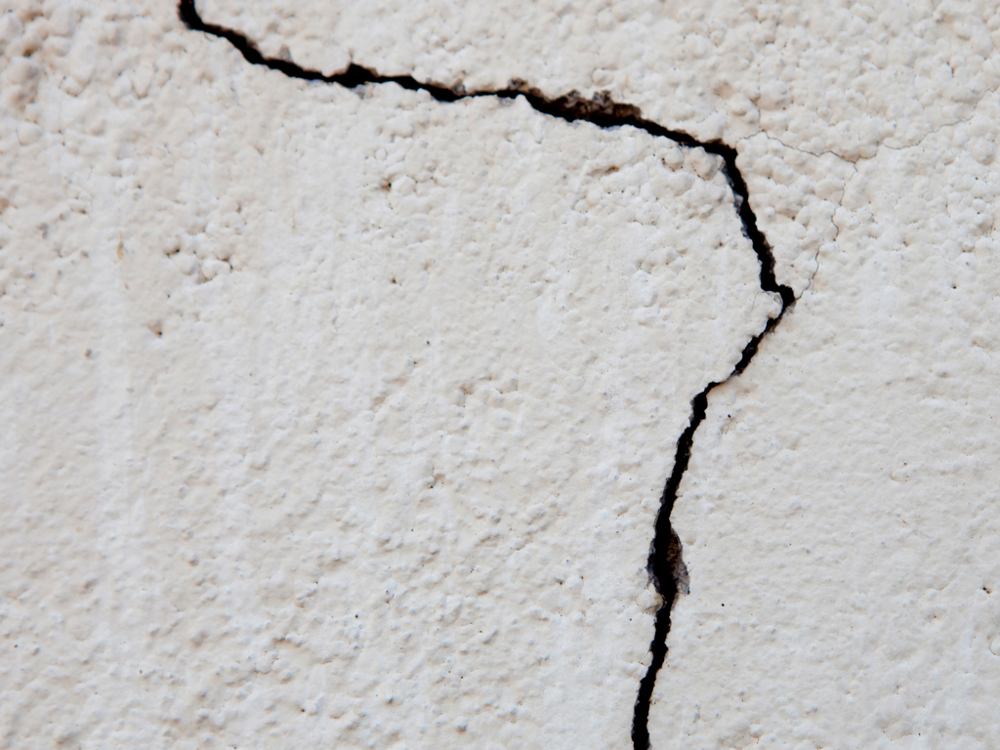
Cracked walls is a prevalent problem up and down the UK and is something that can cause quite a bit of worry, especially when they are on the outside of your home.
In this guide we will cover:
- What causes walls to crack?
- Can I repair a cracked wall myself?
- How to repair cracked walls
- How to prevent cracked walls happening again
What Can Cause Walls To Crack?
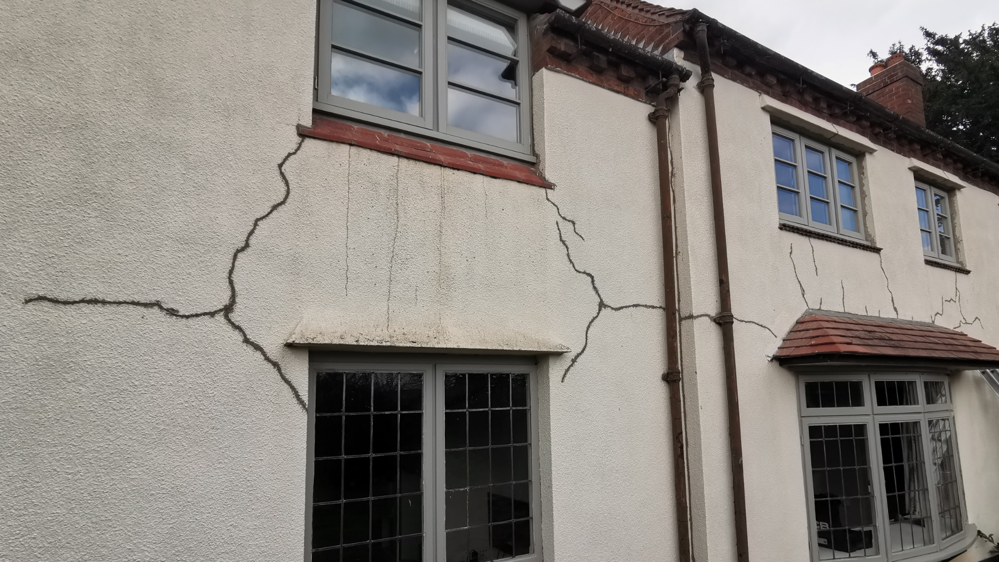
As with any exterior surface, there are a number of factors that may cause exterior walls to crack over-time meaning it isn’t always a one size fits all solution. The most important thing is to establish the cause of the crack as early as possible in order to address the issue properly. There are three main reasons behind cracking exterior walls; settlement, thermal movement and moisture.
1. Settlement
Settlement is a common term you will come across when researching cracked walls. These can occur with new-build properties as the structure ‘settles’ as the building materials move after construction.
This is a process that newly constructed properties must go through as the foundations compact under the weight of the structure which eventually stops when the structure stabilises.
Similar to settlement, subsidence and heave are caused by the ground moving beneath but can occur with older properties. This movement is most commonly caused by the trees, defective drainage, weak ground and mining activity close to the property.
2. Thermal movement
Thermal movement can occur when changing environmental temperatures can lead to expansion and contraction of construction materials, resulting in cracks opening up.
Every building can expand and contract with temperature, moisture and humidity changes throughout the year with some buildings more susceptible than others due to less flexible materials having been used.
3. Moisture
One of the most common causes of cracked exterior walls is weathering, especially on rendered walls. Caused by either the wall absorbing wind-driven rain or by small hairline cracks allowing moisture to enter the surface, once in the wall it is only a matter of time before further damage is caused.
When the moisture within the wall undergoes a freeze-thaw-cycle, the water expands which causes movement within the exterior wall. This movement can lead to cracks opening up which then allows more moisture to enter the wall, causing even larger cracks and creating a cycle of damage.
This moisture and the cracking it can cause can be worsened by poor breathability, if a low breathability masonry paint or a brick sealer is used. If water vapour cannot naturally breathe through exterior walls it can become trapped, increasing the moisture level in the wall and contributing towards cracking.
Aside from this, cracks that appear on rendered surfaces come sometimes be caused by the render application process with water evaporating from the render too quickly. This can lead to not enough time being given for the render to bond effectively with the exterior wall before it dries, leading to cracks appearing in some cases.
Can I Repair A Cracked Wall Myself?
Before addressing the crack, it is important to note that repairing cracks is only recommended if the cracks are either a result of moisture or if the movement that is causing the cracks has stopped. If you are unsure, it is recommended to seek professional help to identify what the cause could be.
The size of the crack, how long they have been present and whether they are continuing to increase in size are all things to consider.
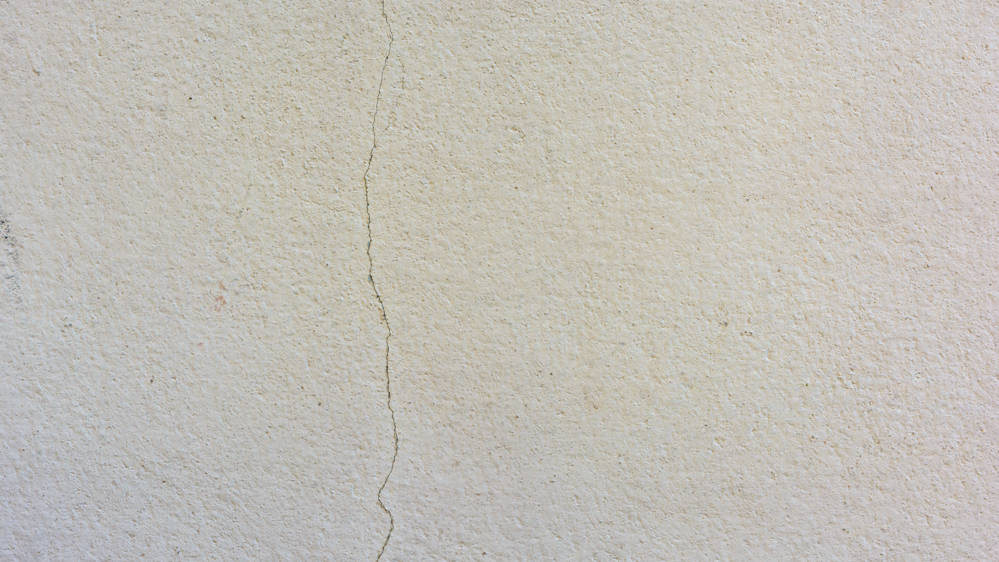
According to BRE, a leading organisation in building standards, cracks with widths up to 5mm can be regarded as ‘aesthetic’ issues that require only small redecoration. Cracks between 5mm and 25mm can generally be regarded as issues that impact the weather-tightness of a building that may require repointing and other larger repairs, while cracks larger than 25mm may indicate structural issues.
This assessment was carried out from 130 properties that suffered from subsidence. If your cracks have appeared on external finishes such as rendering and the brickwork beneath the render is still sound, this may indicate larger cracks are simply a failure of the external render and not structural issues. If you are unsure, contacting a professional is recommended.
How To Repair Cracked Walls
Cracked walls can be repaired if you take the correct steps. Here is our step-by-step process that will allow anyone to not only repair cracks but completely disguise them and restore your walls back to their original condition.
You will need:
- A mini-disk cutter or a masonry chisel
- Masonry filler
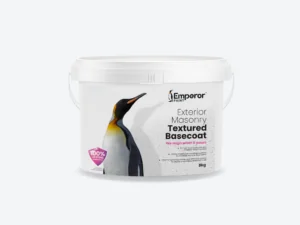
- Emperor Textured Basecoat (if required)
- A wire brush
- Sandpaper
- Filling knife
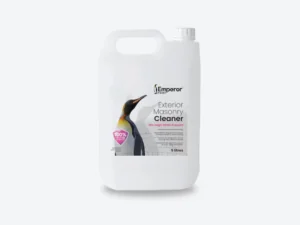
- Masonry cleaner
- Power washer (if possible)
1. Identify the damage
- Assess cracks, missing render, and overall wall condition
- Repair small cracks with masonry filler
- Use render mix or Emperor Textured Basecoat for larger missing areas
- Check brickwork, pointing, and that there are no spalling bricks
- Tap render to identify hollow areas and remove any loose sections
2. Clean the surface
- Remove loose dirt with a hose, low-pressure washer, or stiff brush
- Wash with hot soapy water if needed
- Apply an Emperor Exterior Masonry Cleaner, which has a fungicide in it
- Leave cleaner on the wall for at least 2 hours
3. Open up cracks
- Enlarge hairline cracks so filler can bond properly
- Use a mini-disk cutter or masonry chisel open the hairline cracks
- Brush out dust and debris
- Clean larger cracks without widening them
4. Fill the cracks
- Use a suitable exterior masonry filler such as Toupret Masonry Repair Filler
- Apply with a filling knife or applicator gun for deep cracks
- Work filler into the crack and slightly overfill
- Allow to dry, then sand smooth
- Blend repairs carefully, especially on brickwork
5. Textured basecoat
- Use to disguise visible repairs on textured walls
- Apply Emperor Textured Basecoat directly (self-priming)
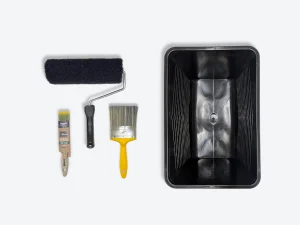
- Choose smooth, medium, or rough textured roller
- Roll on evenly without overworking the surface
- Coverage: 350–500g per m²
- Allow 24 hours to dry (longer in cooler conditions)
- Apply a second coat if needed to build texture
- Paint with masonry paint after drying
Watch how quick and easy it is to apply Emperor Textured Basecoat.
How To Prevent Cracked Walls Happening Again
As we have mentioned, cracking from thermal movement and settlement is often a temporary issue that can stop eventually.
You can minimise the impact of cracking by following a few simple steps.
- Heating and ventilation – with thermal movement being a key cause of cracking, try to keep a consistent temperature in your home and increase ventilation to allow moisture to escape.
- Trees and plants – avoiding planting trees and shrubs close to your home can ensure the roots cannot cause movement to your homes structure. This is particularly the case with trees that need a lot of water as these have very large roots that can cause problems.
If cracks are caused by moisture and frost damage, protecting exterior walls is essential. Most mineral surfaces are porous, so limiting water absorption helps prevent deterioration. However, walls must remain breathable. Low breathability products can trap moisture, worsen damage and lead to damp.
The best solution is a treatment that repels water while remaining highly breathable. Many modern masonry paints and sealers in the UK aren’t waterproof or breathable, which can create further problems. Super hydrophobic masonry treatments reduce water absorption by up to 96% while allowing moisture vapour to escape, keeping walls dry and healthy.

While reducing the amount of water entering the wall, our treatments are highly breathable with SD breathability rating similar to limewash. This ensures water vapour can freely pass through exterior walls.
Not everyone wants the same finish on their home. While some people want a new, freshly painted finish others want to maintain the natural beauty of brickwork and masonry. For that reason, we developed two treatments that offer the same benefits but in two different finishes. Emperor Masonry Paint offers a coloured painted finish that can be applied to bare and previously painted walls while Emperor Masonry Creme is an invisible treatment for bare, unpainted masonry.
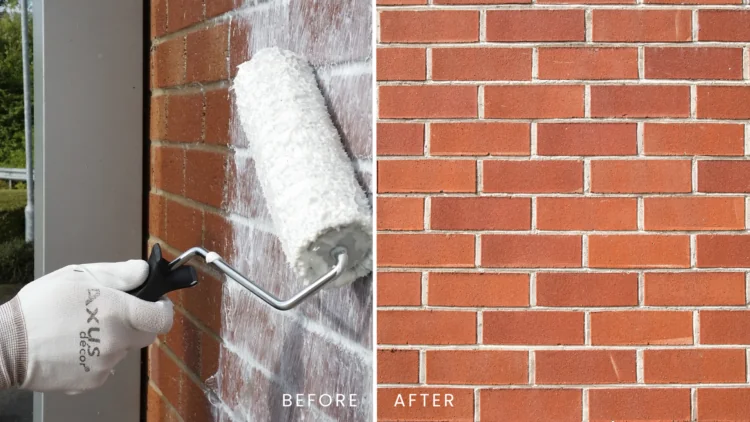
Both Emperor Masonry Paint and Emperor Masonry Creme have been independently tested to withstand harsh weather conditions for a minimum of 25 years. In fact, we are so confident they will far exceed this that we offer a lifetime guarantee.
If you want to see how healthy your walls are, use our handy wall health check to spot issues early and keep your home stress free.
Frequently Asked Questions
Can I use basecoat on bare masonry?
Emperor Textured Basecoat is only recommended for when you are planning to paint the surface and need to match an existing textured finish with the repairs. If you have a bare masonry wall that you are repairing, Emperor Textured Basecoat isn’t suitable.
Why is Emperor Masonry Paint and Masonry Creme so durable?
Masonry paint and other masonry treatments such as brick sealers eventually fail in most cases due to moisture. Water gets into the wall and becomes trapped, causing the treatment to bubble and begin to peel.
Our treatments aren’t like others – they chemically bond to the substrate itself to create an extremely strong bond. They also prevent a build-up of moisture thanks to both our super hydrophobic and highly breathable formulation. All of this combines to create extreme durability in any weather conditions.
We hope we have answered any questions you may have had regarding cracked walls and how to repair them. If you have any other questions our team of experts are on hand to assist you no matter your problem. Contact them today by emailing [email protected] or calling 01254 936121. Alternatively, shop our range of cutting-edge masonry products today and get free delivery on all orders.
Recommended products from this guide