

The smarter way to
prevent wet exterior walls
Wet exterior walls aren’t just cosmetic, if left untreated they can make your home colder, lead to damp and result in ongoing repairs. Emperor Masonry Paint is engineered to keep your walls dry and protected.
What can cause exterior walls to get wet
|
Persistent rainfallHeavy rain naturally soaks into porous masonry like stone, brick or render, especially on homes in exposed areas. Over time, moisture levels rise. |
Damaged surfaceCracks or failing render or paint create a path for rain to soak into the wall. Once water gets in, it can worsen damage and allow even more in next time. |
|
Poor drainageFaulty guttering or drainage can cause water to run down and saturate walls, increasing the risk of moisture being absorbed and walls staying wet. |
The wrong paintMany masonry paints don’t manage moisture properly. They can allow rain to soak in while also trapping moisture behind the surface, leaving walls damp for longer. |




Problems wet walls can cause
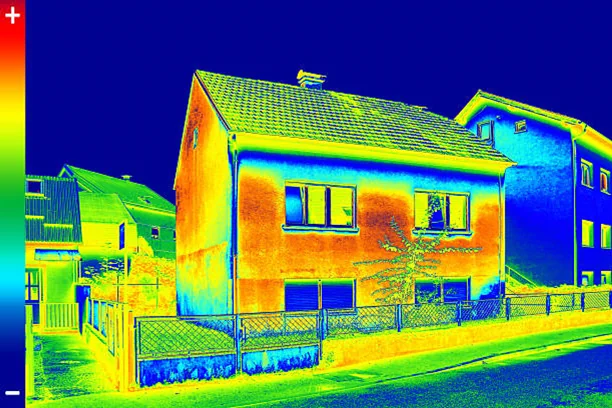
Heat loss
Wet walls allow heat to escape quicker than dry ones, meaning your home feels colder and your energy bills increase.
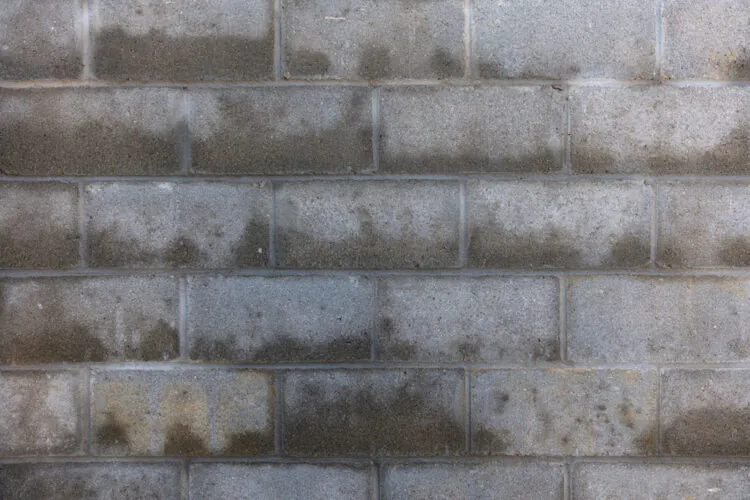
Penetrating damp
Penetrating damp is caused when moisture soaks through an exterior wall, leading to damp patches and deterioration both inside and out.

Cracking
Cracks start to appear when water seeps into masonry. When temperatures drop, that moisture freezes and expands, causing pressure that can lead to cracks forming.
Why wet walls keep causing problems
It’s common to think that exterior walls getting wet is just part of living in the UK, but your walls aren’t meant to stay wet.
If water keeps getting in and can’t escape, the wall never properly dries. That’s when things start to go wrong, paint peels, damp starts and damage is caused.
Keeping walls dry protects your home, reduces the risk of damage and helps avoid costly repairs.

A better way to protect walls
Emperor Masonry Paint is designed to keep exterior walls dry without trapping moisture inside. Unlike standard masonry paint that absorbs rain and can block breathability, it uses advanced technology to both repel rain and let walls naturally breathe.
The result is a dry, protected wall that maintains its strength, appearance and performance for years to come.
How it works
The surface is made up of microscopic pyramids with tiny gaps between them.
When rain hits, it only touches the tips, so it can’t stick and simply rolls away instead of soaking into your home.
At the same time, those same gaps allow water vapour to pass through.
A droplet of rain is millions of times larger than a molecule of water vapour, so while rain is too large to get in, water vapour is small enough to move through the surface.
So you’re stopping water getting in, without trapping it behind the surface.
|
96%
less water absorbed into a brick wall
|
25yr
proven performance in harsh weathering
|
|
0.03
SD breathability value, similar to limewash
|
6°C
warmer walls vs untreated
|
Stop moisture damage before it starts
Long lasting protection
Walls stay dry, helping to prevent damage before it starts and protecting your home, so you’re not dealing with the same issues every few years.
Keeps walls dry
Rain stays out, while walls naturally breathe, meaning less damp patches, peeling paint or visible damage over time.
No hidden damage
Moisture doesn’t build up inside the wall, reducing the risk of damp and keeping your home healthy.
A warmer home
Emperor Masonry Paint helps keep your walls dry, so they retain heat better and help your home stay warmer in winter.
How to apply Emperor Masonry Paint
Step 1: Prep
Proper prep is a key part of ensuring your walls stay dry after painting. Begin by removing all dirt, dust and surface contamination so the paint can bond directly to the wall by washing it with water using a hose, brush or low-pressure washer.
The chances are, if you have a wet exterior wall, there may be some organic growth developing. Apply Emperor Exterior Cleaner to these areas to remove the growth and help stop it growing back in the future.
Check the wall for any cracks, holes or damaged areas and fill these with an exterior filler. Any gaps left open will allow water to get back in, so filling them properly is really important.
Remove any loose or flaking paint back to a firm edge to ensure the surface is stable and ready for paint.
Finally, apply Emperor Exterior Primer to any bare masonry. This helps create an even, solid base for the paint to perform properly once applied.

Step 2: Paint
Before starting, make sure the wall is as dry as possible. Painting onto a wet surface will impact how the paint dries, so always take time to let the wall dry until it is dry to the touch.
Apply two coats of Emperor Masonry Paint using a brush, roller or spray.
The first coat can be slightly diluted if needed, followed by a full second coat to create the full protective layer.
This creates a highly breathable and super hydrophobic that keeps walls dry and protected long term.

Expert insight From our Technical Team
“In many cases we see, peeling paint isn’t down to poor application but high levels of moisture in the wall. Surfaces get repainted while they’re still holding water and it can look fine at first, but if that moisture isn’t dealt with the same issues come back quickly. It’s not just about how the wall looks after painting, it’s about whether the paint can actually manage the moisture behind it.”
ML
Michael L, Technical Director at Emperor Paint – Over 25 years experience in the building industry.
Emperor Masonry Paint
Keep your walls dryReady to keep your walls dry and your home protected? Get your sample of Emperor Masonry Paint and kickstart your journey to a dry and protected home. Alternatively, if you need advice on the best approach, chat to the experts in our technical team.

Content reviewed by Emperor Paint technical team – specialists in external coatings with an average of over 25 years experience in the building industry.
Frequently Asked Questions
Can wet exterior walls cause damp inside?
Yes, wet walls can cause damp inside eventually. Moisture can seep through the wall, leading to internal damp patches, mould and colder indoor conditions.
It’s a particular issue with solid wallhomes because there’s nothing between the outside and inside to slow that moisture down.
Even cavity wall homes aren’t immune though. If the insulation isn’t fitted properly or there’s debris in the cavity, moisture can bridge across and you end up with the same problems.
Do wet walls make your home colder?
When masonry absorbs water, it becomes a much better conductor of heat. Instead of keeping warmth inside, the wall allows heat to escape more quickly, so your home loses warmth faster.
That’s why keeping exterior walls dry can make a real difference to how warm your home feels and how much energy it takes to heat it. Independent testing showed that dry walls kept by Emperor Masonry Paint kept masonry up to 6°C warmer on average compared to untreated walls, which over time can have a meaningful impact on heat loss and energy bills.
How to know if your walls are absorbing water
Signs your walls absorbing water include dark patches after rain, slow drying times, algae growth and visible damage like peeling paint or cracked render.
What makes Emperor Masonry Paint different from standard masonry paint?
Unlike standard masonry paints, Emperor Masonry Paint is designed to both repel water and remain highly breathable. This means it keeps rain out while still allowing moisture inside the wall to escape.
Most standard masonry paints are acrylic based, which means they form a film over the surface that can block moisture from escaping. Over time that trapped moisture builds up, leading to damp, peeling paint and damage to the wall underneath. Instead Emperor contains nano-technology which lines the pores of the wall without sealing them, so water from outside is repelled but moisture from within can still breathe out naturally. It is a fundamentally different approach to how the paint interacts with the wall.
Can Emperor Masonry Paint help prevent damp?
Emperor Masonry Paint helps prevent damp as it is designed manage moisture both entering and exiting the wall. By repelling rain, it reduces how much moisture is absorbed into the wall, while high breathability allows any moisture in the way to freely escape. That maintains low levels of moisture and reduces the risk of penetrating damp.


Explore other common problems
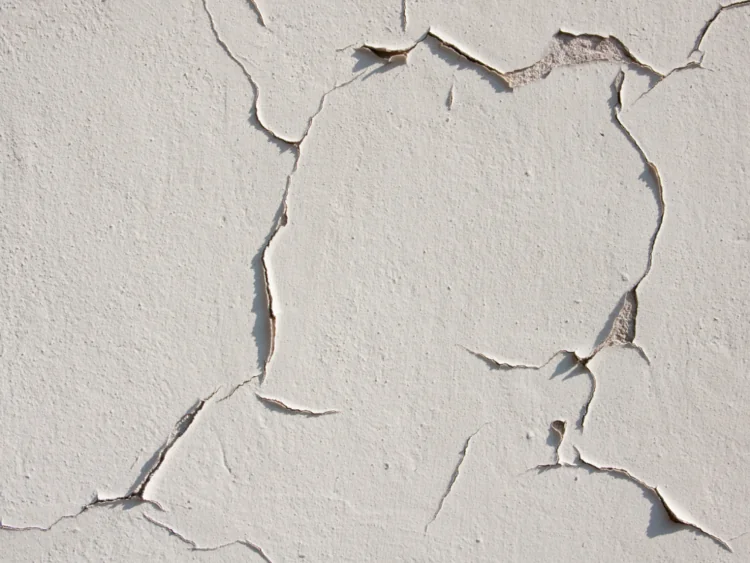
Peeling paint
Say bye to peeling paint for good with our expert's tips on common causes, things to know and which products to use.
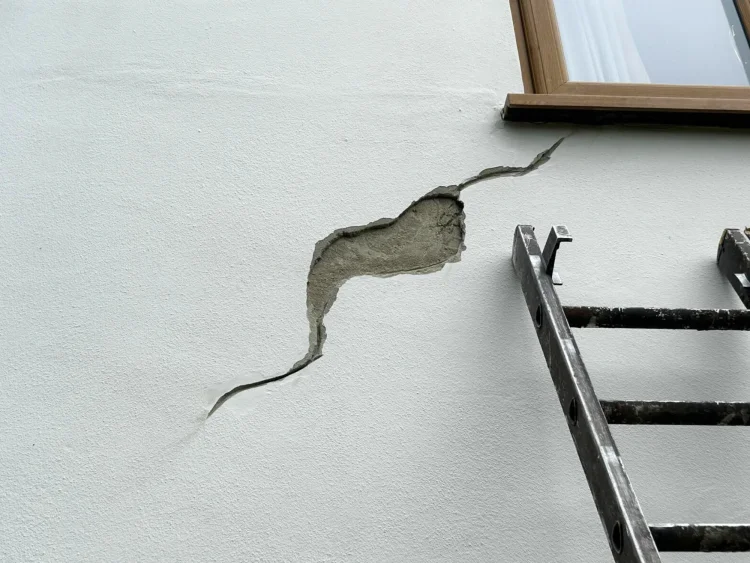
Damaged render
Learn how to repair render yourself, saying money and time while finding out the reasons why render can get damaged.
Explore all common problems
No two problems are the same. Find the solution to your problem so you can finally say bye to them for good.