
What Is Masonry Paint & Which Masonry Paint Should You Use?
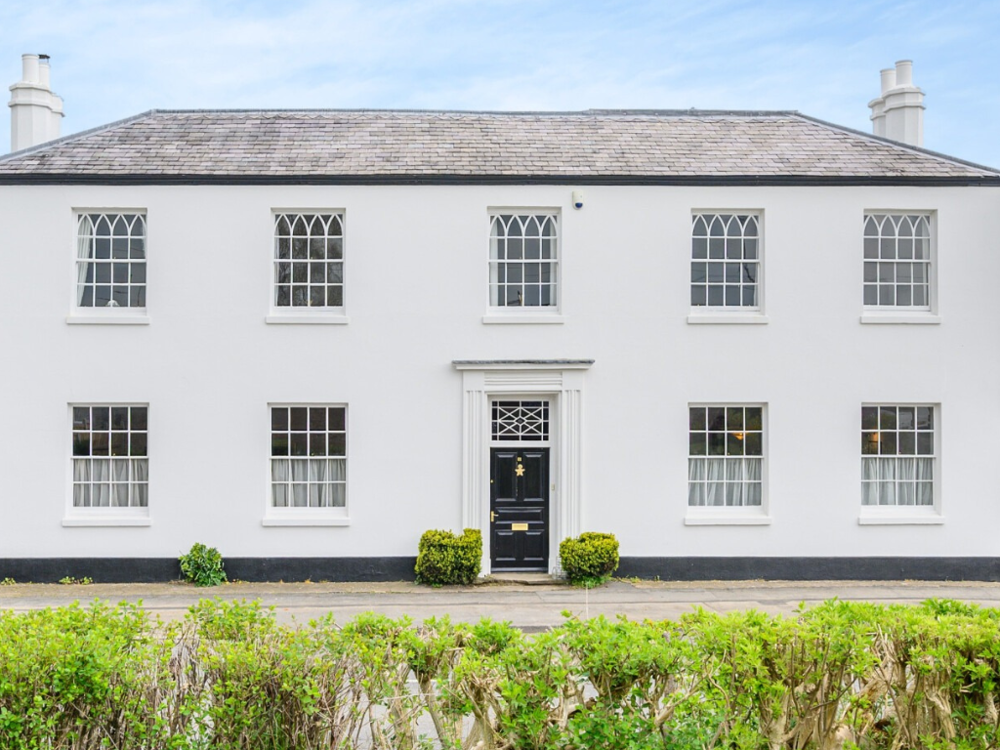
Masonry paints are one of the most commonly used paints across the UK, however they also come with some of the most misconceptions. From vague marketing terms to inaccurate advice, getting definitive and accurate information regarding masonry paint can be difficult. Here at Emperor Paint, we are specialists in exterior paints and masonry products and our technical team have over 35 years experience within the industry.
In this guide we will cover:
- What is masonry paint?
- Types of masonry paint
- How breathable is masonry paint
- How waterproof is masonry paint
- Best time to apply masonry paint?
- Can I use any masonry paint?
- How do you apply masonry paint?
- Do you need a primer with masonry paint?
What Is Masonry Paint?
The term masonry paint refers to a paint that is designed for use on exterior masonry surfaces, including brick, stone, cement and render. Masonry paint as with all paints offers an opaque, coloured finish that gives your home an attractive finish, however the job of masonry paint is much more than just aesthetic.
Masonry paint to be effective must achieve a number of things. It must protect your exterior walls, help prevent damp and withstand weathering, all while not negatively impacting the performance of exterior walls. For this reason, the masonry paint you choose to use can have a big impact on your home.
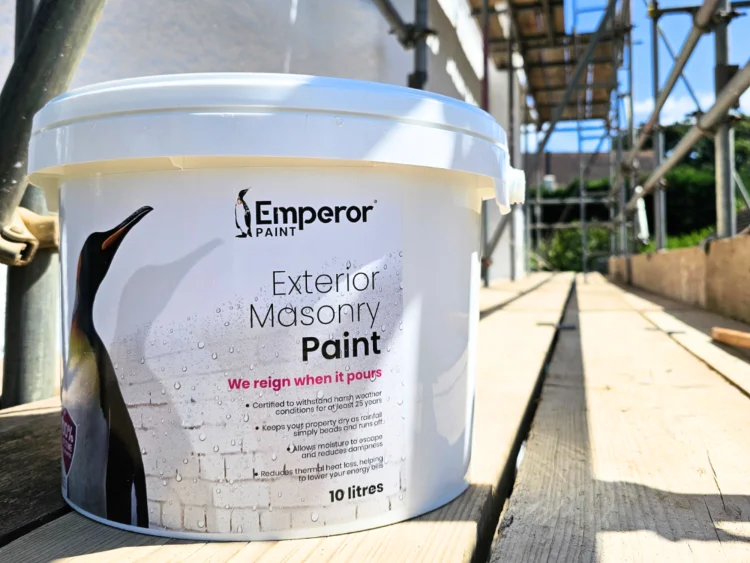
Types Of Masonry Paint
There are four main types of masonry paint. Each formulation differs in breathability, weather resistance and practical use. Generally, the best masonry paints combine high weather resistance with high breathability, keeping water out while allowing trapped moisture to escape.
Limewash
Mineral paints such as limewash are a very traditional form of exterior paint that has been used on properties across the UK for hundreds of years. While highly breathable, limewash does not offer the level of durability of modern masonry paints meaning it is often reapplied every few years. This is due to very low weather resistance that causes the limewash to weather off the wall.
Oil-based masonry paint
Oil-based masonry paint, otherwise known as pliolite, is reserved solely for applying in conditions below 5°C or to prevent the paint from washing off straight after application due to rainfall. Pliolite has a very low breathability due to the oil-based formulation and is very rarely advised outside of commercial painting in winter.
Acrylic masonry paint
Acrylic-based masonry paint is the most common type in the UK. These water-based paints use an acrylic binder and, while somewhat breathable, aren’t fully waterproof and can trap moisture due to their plastic content. Over time, they absorb water, which can lead to peeling and flaking. Lifespans typically range from 1–15 years, with higher estimates assuming ideal conditions and application.
Silicone masonry paint
Silicone masonry paint or silicate-based masonry paint is a newer, advanced option containing silicone resins. It’s highly water-repellent, causing rain to roll off, and very breathable, preventing trapped moisture. Because dry walls resist damage, silicone paint is extremely durable, often lasting 25+ years.
They are more expensive than standard paints due to the complex manufacturing process, but their long lifespan and reduced need for repainting offer strong long-term value.
How Breathable Is Masonry Paint?
Breathability is essential for masonry paint. Homes naturally collect moisture from rain absorption, leaking gutters and everyday condensation and if external walls can’t breathe, the moisture becomes trapped and leads to damp.
Many UK masonry paints claim to be ‘breathable’, but true breathability is measured by the SD value. The lower the SD value, the easier water vapour can escape, 0.5 or below meets British standards. Because many paints don’t disclose this, it’s important to aske before choosing.
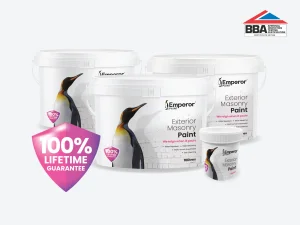
Emperor Masonry Paint has an SD value of 0.03, making it extremely breathable. Its silicone formulation bonds to the wall while maintaining an open-pore structure, allowing moisture to escape.
How Waterproof Is Masonry Paint?
While allowing water to breathe out is crucial, it is equally as important to prevent the water getting into the walls in the first place. Standard masonry paints are often described as ‘weatherproof’ or ‘weather resistant’ however this does not mean they prevent water absorbing into your walls.
When exterior walls absorb moisture, this is a process called penetrating damp. This can lead to internal damp, damaged brickwork, cracked render, discolouration and peeling paint. Furthermore, wet walls can contribute towards increased heat loss, as wet walls lose heat quicker than dry walls.
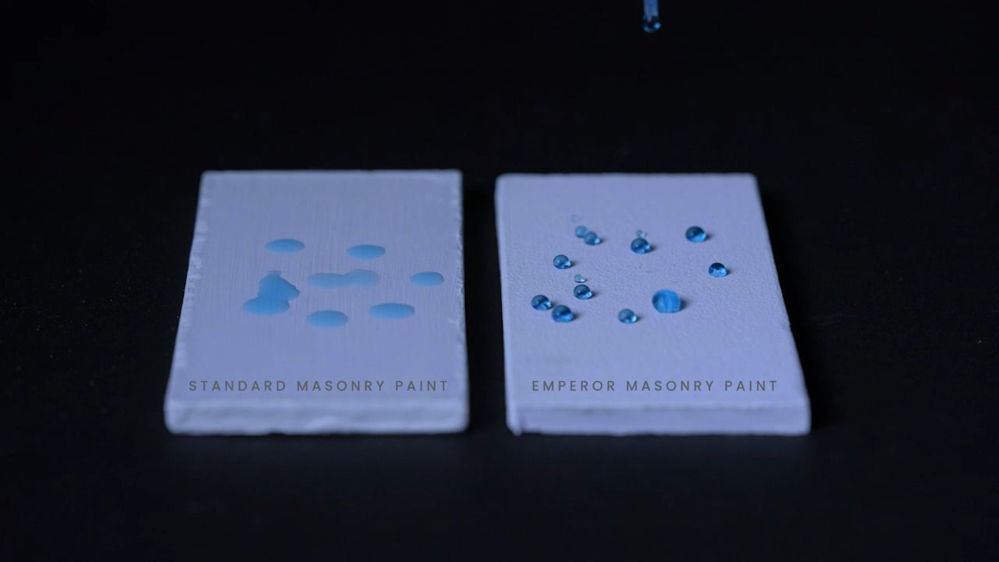
Our super hydrophobic technology causes rainwater to form beads that simply roll off your walls, leaving your home dry and protected from the damaging effects of the weather. While a standard masonry paint allows the water to sit on the surface and begin to absorb, Emperor Masonry Paint causes the water to bead and roll off the surface, reducing the absorption of water in your walls by 96%.
When Is The Best Time To Apply Masonry Paint?
One of the most important aspects of applying masonry paint is ensuring you have the correct conditions. Rain is a big problem when it comes to painting outside, so ensure you have a dry day where rainfall isn’t due. Generally, masonry paint is showerproof in 1-2 hours. This isn’t to be confused with the recoat time, which is the time it takes before you can apply your second coat, which is longer.
Temperatures with water-based paints must be above 5°C for the water to be able to evaporate to let the paint dry. High temperatures can also pose a risk, as strong, direct sunlight can cause paint to dry too quickly.
You can apply masonry paint almost all year round, but the best time of year is late spring, where temperatures aren’t too high and the risk of rainfall is low.
Can I Use Any Masonry Paint?
It is a common misconception that you can use any masonry paint. This is true in the majority of cases but not all.
There are certain situations when you must use a particular type of masonry paint. For example, lime renders and other lime surfaces must be painted using a highly breathable masonry paint, as these are particularly prone to moisture-related issues due to the porosity of the lime.
Furthermore, silicone renders have increased in popularity in recent years. These silicone renders will not allow a standard masonry paint to adhere as these paints are acrylic-based. Due to this, if you are painting a silicone render, ensure you use a silicone-based masonry paint.
How Do You Apply Masonry Paint?
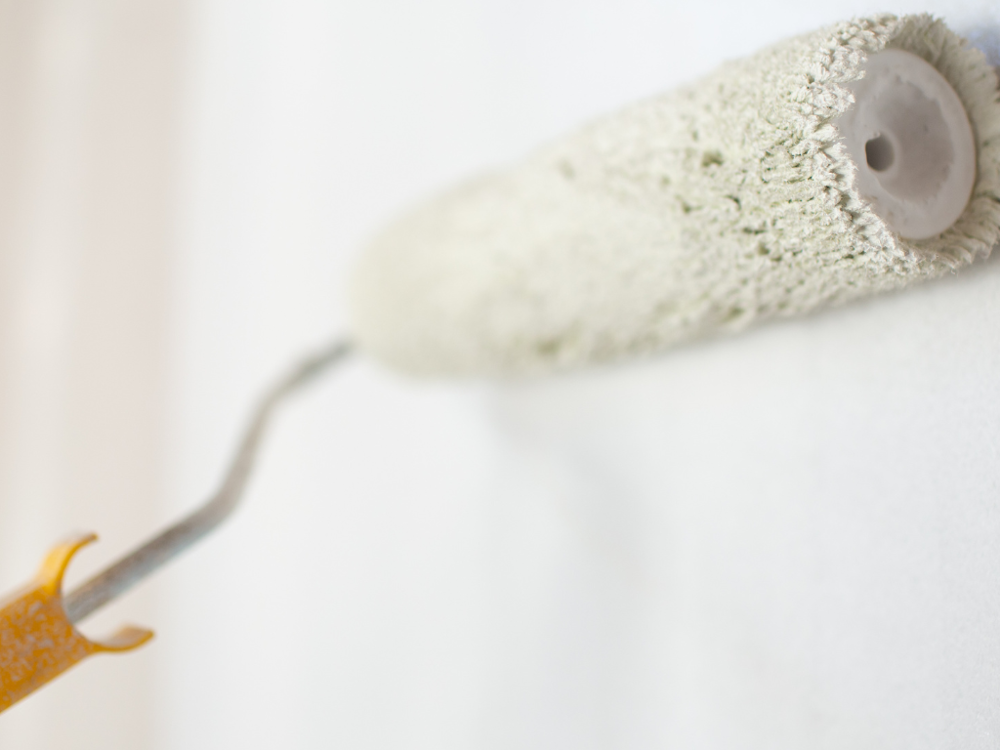
Masonry paint is applied much in the same way as internal emulsions, with either a brush or roller. We advise using a long-pile roller as this makes painting semi-smooth and rough masonry surfaces quick and easy.
You can spray masonry paints, however this is only recommended for experienced spray professionals who can use a spray machine safely.
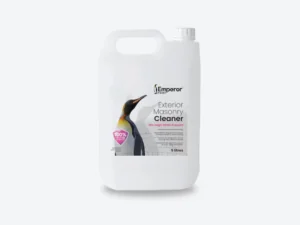
When applying masonry paint, ensure you protect all surfaces such as floors, doors and windows. After all, protecting these surfaces is much easier than cleaning them later on. Only paint dry surfaces, as paint will not be able to dry on a damp surface. It is also important that you clean and repair surfaces first before painting. You want a surface that the paint can form a strong bond to, so taking care to prepare the surface is crucial.
Read more: How to apply Emperor Masonry Paint.
Do You Need A Primer With Masonry Paint?
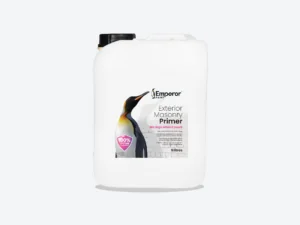
With exterior walls, there is a wide variety of surfaces you can encounter. As a rule, most masonry paints require a primer to be applied first before you paint and bare, unpainted surfaces. This includes brick, stone and untreated renders such as sand and cement render. You do not need to apply primer to previously painted walls or silicone renders that are pre-coloured.
It is important to check the datasheet for your chosen masonry paint, as many masonry paints have a special primer that is designed to be compatible with the paint.
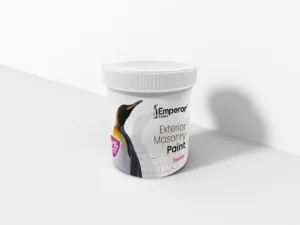
We hope we have answered any questions you may have had regarding masonry paint. If you have any other questions or would like advice, feel free to get in touch with our team of experts who are on hand to assist you. Contact them today by emailing [email protected] or calling them on 01254 936121. Alternatively, discover Emperor Masonry Paint and order your colour card.
Featured products