
Silicone Masonry Paint – Everything You Need To Know
Masonry paint does more than add colour. It protects your home from the Great British weather, keeping exterior walls in good condition.
Over time, masonry paints have evolved, but many still struggle to keep walls both dry and breathable, the two things essential for long-term protection.
Silicone masonry paint is the latest development in this evolution. Designed to combine high breathability with high weather protection, it offers the best of both worlds.
In this guide, we’ll cover:
- The main types of masonry paint
- What makes silicone masonry paint different
- When and where to use silicone masonry paint
What Is Masonry Paint?
Masonry paint refers to exterior paints that are specially designed for use on exterior walls, including render, brick or stone.
In order to deal the weather conditions that an exterior paint must endure, all masonry paints offer some sort of weather protection.
However, not all masonry paints are made the same. Terms like waterproof, water repellent, weatherproof and weather resistant are often used interchangeably, but they describe different levels of performance.
- Waterproof – Prevents water from penetrating the surface entirely.
- Water repellent – Causes rainwater to bead and roll off the surface, reducing water absorption.
- Weatherproof and water resistant – Provide only partial protection, allowing some absorption over time.
Another key factor is breathability. This refers to how easily water vapour can pass through a paint. Without this, moisture builds up beneath the paint, leading to peeling, flaking and damage to the wall.
This combination determines how durable and effective a masonry paint will be.
Types Of Masonry Paint
The type of masonry paint and its level of weather resistance is directly linked. Generally speaking, there are four main types of masonry paint.
ACRYLIC MASONRY PAINT
Acrylic-based masonry paint is the most common type of masonry paint available in the UK.
They contain an acrylic binder to create a flexible, protective film that helps resist rain and weather exposure.
Most acrylic masonry paints are classed as weatherproof or weather resistant because they reduce water absorption, but they don’t stop it completely.
Acrylic masonry paints also generally have low breathability. This is because acrylic paints form a plastic layer that limits vapour movement, preventing moisture naturally escaping.
Over time, this can lead to peeling or flaking, allowing more water to enter the wall.
Typical lifespans range from 1-15 years, depending on quality, breathability and exposure. Often claims of 15 years are based on best case conditions, however in practice many homeowners find the paint begins to weather sooner.
LIMEWASH
Limewash is a traditional form of exterior paint that has been used on properties for hundreds of years.
Limewash is highly breathable because it doesn’t form a solid film over the wall like a modern acrylic-based masonry paint.
Instead, it soaks into the surface and hardens through a chemical reaction. This creates a finish that still allows water vapour to pass through freely.
However, limewash offers limited protection from the weather. It gradually wears away with rain exposure, which means it needs reapplying every few years to maintain its appearance.

OIL-BASED MASONRY PAINT
Oil-based masonry paint, otherwise known as pliolite is an older form of masonry paint that was developed before modern water-based formulations.
It’s designed to be applied in colder conditions below 5°C or when there’s a risk of rain soon after painting.
Pliolite works by forming a solid film over the surface, creating a strong water barrier but also trapping moisture at the same time.
Due to this it should not be used unless other options are not possible, which can sometimes be the case with commercial painting.
SILICONE MASONRY PAINT
Silicone masonry paint, sometimes referred to as silicate-based masonry paint, is the next generation of masonry paint technology.
It was developed to solve the problems found with traditional masonry paint, providing both high breathability and high weather protection.
The key difference lies in the use of silicone resins, which bond to the surface itself without sealing it. This layer repels water while still allowing water vapour to pass through.
Together, these properties keep exterior walls dry and prevent the problems that moisture often causes, like paint peeling, damp and organic growth.
As water is the biggest cause of paint failure, silicone masonry paint is extremely durable, often coming with a 25+ year lifespan.
Due to the highly advanced technology in silicone masonry paints, they are slightly more expensive than standard masonry paints. This is because the manufacturing process with silicone masonry paint is extremely difficult.
| Acrylic Masonry Paint | Silicone Masonry Paint | Oil-Based Masonry Paint | Limewash | |
|---|---|---|---|---|
| Breathability | Moderate | Very high | Low | Very high |
| Weather Resistance | Moderate | Very high | High | Low |
| Durability | 1-10 years on average | 25 years+ in some cases | 5-10 years on average | 6-18 months on average |
| Best For | General use, budget friendly | Long-term protection | Specialist use, winter application | Eco-friendly option |
| Main Drawback | Quality varies | Higher upfront cost | Traps moisture due to poor breathability which can lead to damp | Washes away, often annually |
Is Silicone Masonry Paint Right For Your Home?
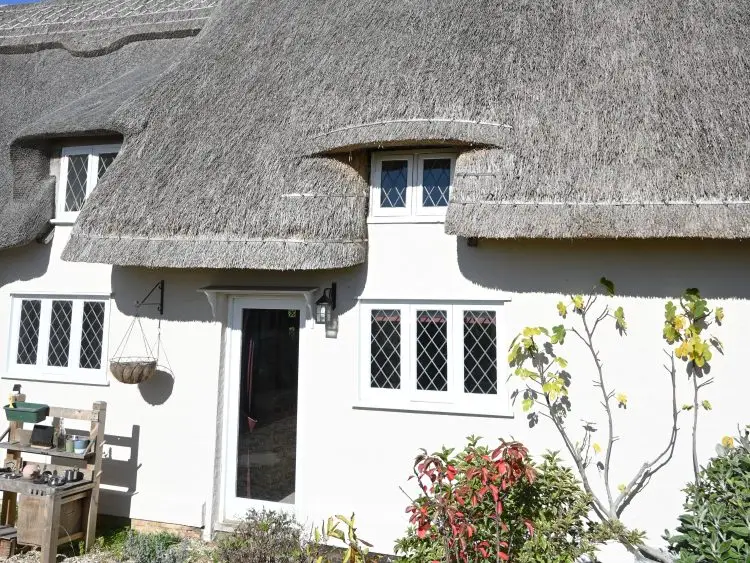
Silicone masonry paint is suitable for almost any exterior wall.
While it costs more upfront than standard masonry paint, its durability means it offers better long-term value for most properties
Every homeowner benefits from walls that stay dry and protected, but silicone masonry paint is especially helpful if:
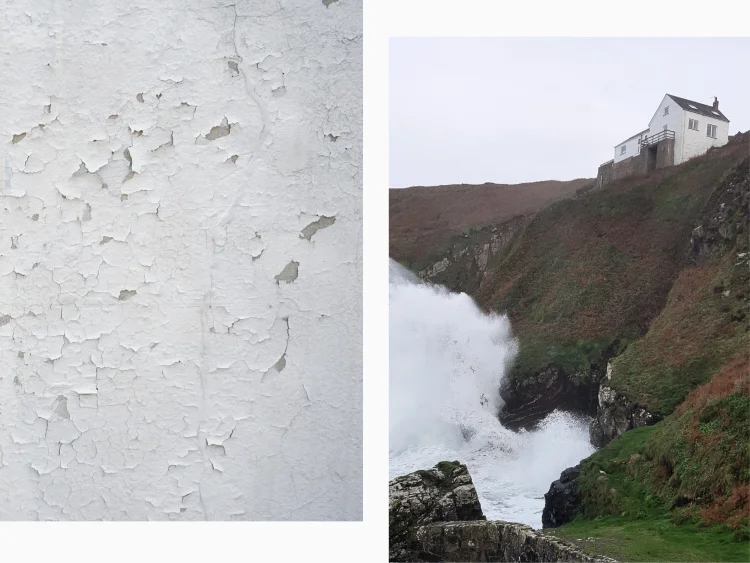
- Your home is exposed to frequent rain or coastal weather
- You live in an older property where breathability must be maintained
- Your walls are finished with a silicone render or lime render
- You want a low-maintenance exterior that you don’t need to repaint every few years
- You’ve experienced issues with peeling paint, damp patches or organic growth
Like standard masonry paint, not all silicone masonry paints perform the same. The level of breathability, water repellency and durability varies between products.
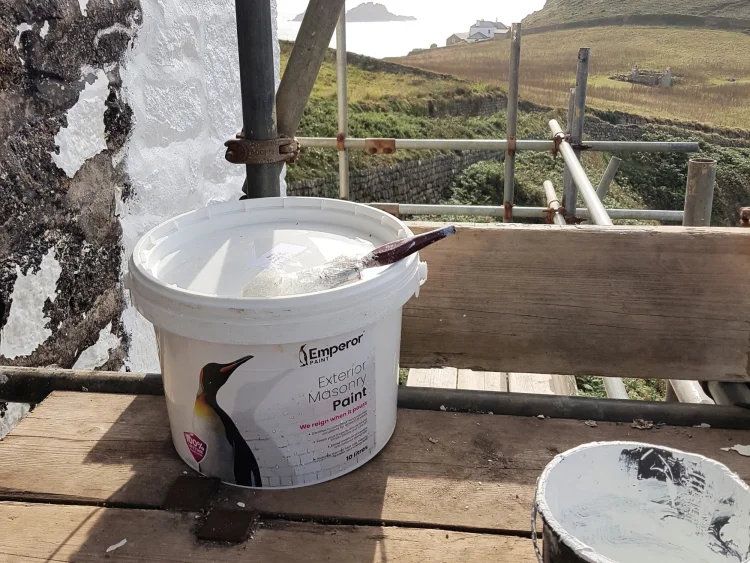
Emperor Masonry Paint is a silicone masonry paint that uses cutting-edge nano-technology to create a super hydrophobic surface on exterior walls that means any rain forms beads that simply roll off the surface.

It works by lining the pores of substrates without sealing them completely, allowing water vapour to freely pass through them but not water.
Independent UKAS testing found it reduced water absorption by 96% while having a breathability SD value of 0.03, making it as breathable as limewash.
After a 25-year accelerated weathering process, it showed no signs of change in appearance or performance. Due to this, it comes with a lifetime guarantee, ensuring its performance in all weather conditions.
This combination of silicone formulation and nano-technology makes Emperor Masonry Paint unique in delivering maximum weather protection, high breathability and extreme durability, ensuring walls stay dry and healthy long-term.
Frequently Asked Questions
Can silicone masonry paint be used on K-Rend?
As many of the most popular K-Rend renders are silicone-based, silicone masonry paint is required in order to paint it.
This is because most standard masonry paints are acrylic-based, which aren’t compatible on silicone renders.
The water repellent and highly breathable properties maintain the performance of the render, while allowing you to choose a colour of your choice.
Is silicone masonry paint applied differently?
No, silicone masonry paint is just like any other masonry paint. While it isn’t completely water-based, it can be cleaned and diluted with water, which means you treat it like any paint.
Can I repaint silicone masonry paint?
Silicone masonry paint is designed for long-term performance.
If you apply a standard masonry paint to it, it could repel this paint thanks to the waterproofing properties.
You can repaint it using another silicone masonry paint, giving you full flexibility to have a change of colour.
Is silicone masonry paint breathable?
While limewash and silicate paints are traditionally recommended for breathability, silicone masonry paints meet the same breathable criteria. The key difference between the two forms of masonry paint is how they achieve this high breathability, with silicate masonry paint forming part of the surface, while silicone masonry paint chemically bonds and lines the pores.
For this reason, silicone masonry paint should be considered when recommending a breathable masonry paint, not only when additional weather protection is required.
If you have more questions about silicone masonry paint, our in-house team of experts are always here should you need us. You can reach them by emailing [email protected] or calling 01254 936121.
Ready to start? Order your sample pot of Emperor Masonry Paint and get free delivery on all orders.
This article was written by the Emperor Technical Team, a group of experts with an average of over 25 years experience in the building industry. They work daily with homeowners, tradespeople and specification professionals to deliver practical, expert guidance that promotes long-term results, supports wall health and helps create homes that are prepared for the future.