How To Waterproof Outdoor Wood
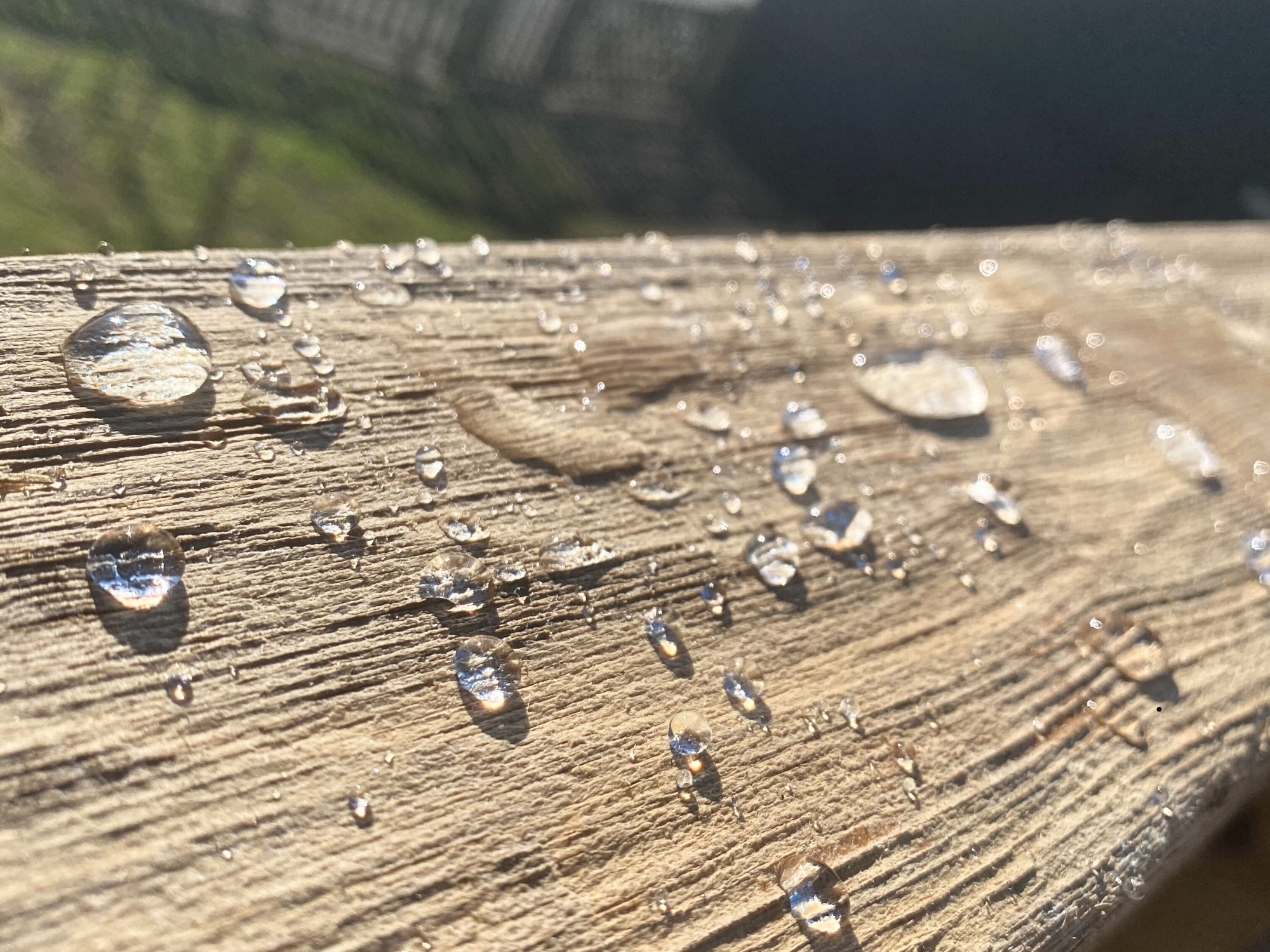
In the UK, our outdoor surfaces must endure a battering from the elements almost all year round from high levels of rainfall, and one of the most at risk surfaces is wood.
In this guide, we cover:
- What causes damage to outdoor wood
- How to protect wood
- Which products offer the best long-term results
Why Waterproof Outdoor Wood?
A long list of things can damage wood, especially in the UK where frequent rain and damp conditions push moisture into exposed timber.
The problem with many outdoor building materials like wood, brick, stone and concrete is that they are all porous, which causes them to absorb moisture.
The more porous the material, the more water it can absorb and hold. Wood is one of the most porous building materials, so no matter whether you have a hardwood or a softwood building material, they will all allow moisture to enter the surface and cause the wood to become saturated.
The reality is, while wood is a natural mineral surface that grows outdoors, when used in building materials it can be more susceptible to damage than other surfaces.
Once the moisture is allowed to absorb, it leads to a number of problems, from rotting to organic growth.
ROTTING
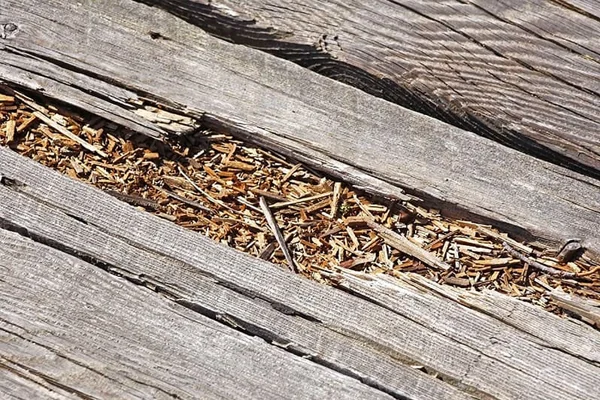
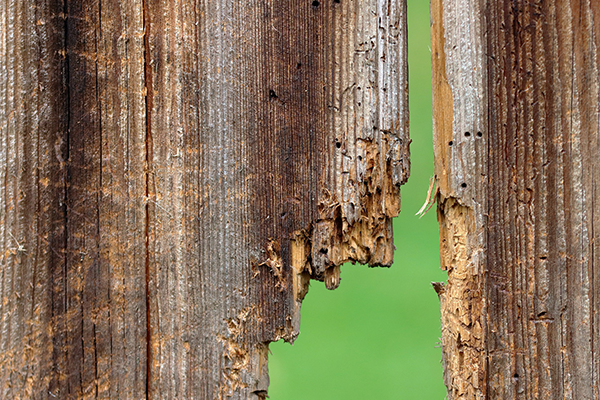
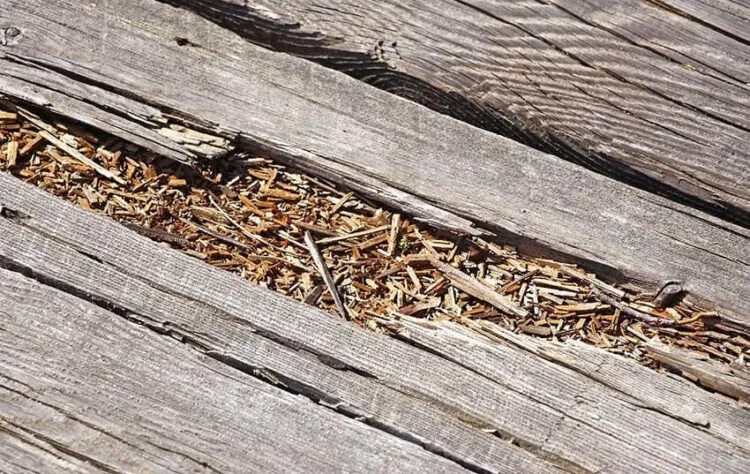
Rotting wood is a familiar sight in the UK, as the level of moisture that outdoor wood must endure here in the UK can be substantial.
Rotting can develop in a range of forms, however it most commonly refers to ‘wet rot’ caused by a fungus that feeds off the timber. When the fungus attacks the wood, it eventually causes it to weaken and break down, causing what we know as rot.
Any organic growth such as fungus requires high levels of moisture in order to bloom and grow, meaning the fact that wood can hold large amounts of moisture means rot can be a significant problem.
Once the wood rot has taken hold of the wood, it will only worsen over time until the source of the moisture is prevented and thus rot stops spreading. Even once moisture is reduced, any sections of wood that have rotted away will likely need repairs made to make the surface sound.
SHRINKAGE
Unlike other mineral surfaces, wood has the tendency to go under a process of shrinkage and swelling, as moisture levels change over the seasons.
When this movement occurs, it can cause wood to begin to warp and cause splits in the wood. These splits allow more moisture to enter the wood and lead to further damage.
ORGANIC GROWTH
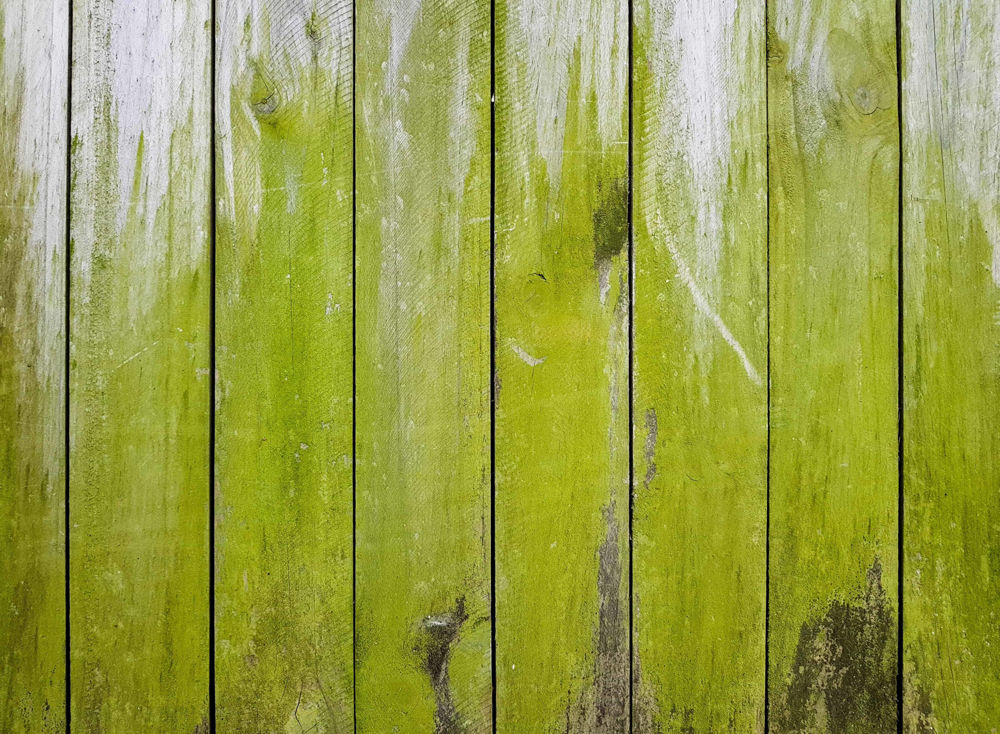
In the same way as fungus causes rotting, organic growth like moss, algae and lichens all thrive in damp conditions.
Their presence holds even more moisture against the wood, speeding up decay, while also generally giving the wood a weathered appearance that leaves it looking less than its best.
DISCOLOURATION
Aside from organic growth on timber, when the timber becomes damp with moisture, it will darken the wood. When some of the wood is more saturated than other parts, it leaves a patchy look that is less than desirable.
Furthermore, aside from moisture, wood can also discolour due to the elements however this time in the form of UV rays. UV rays cause what is known as silvering, where wood becomes bleached and loses its natural pigment.
How To Waterproof Outdoor Wood
In order to waterproof outdoor wood and prevent it from absorbing moisture, it is important to provide the wood with added protection.
There are a wide variety of wood products on the market which all offer varying qualities.
Products that are specifically designed for outdoor wood include wood paints, wood oils, wood sealers, wood waterproofers and wood stains. These types of products all offer varying levels of protection from moisture, which can cause a fair bit of confusion amongst homeowners.
- Wood paint – this is an opaque paint that completely covers the grain of the wood with a coloured finish
- Wood stain – this is designed to maintain the grain of the wood while providing it with added colour, often used on rough sawn timber such as fencing
- Wood oil – provides full character and enhances the natural beauty of the wood while providing a hard, durable finish to the surface of the wood
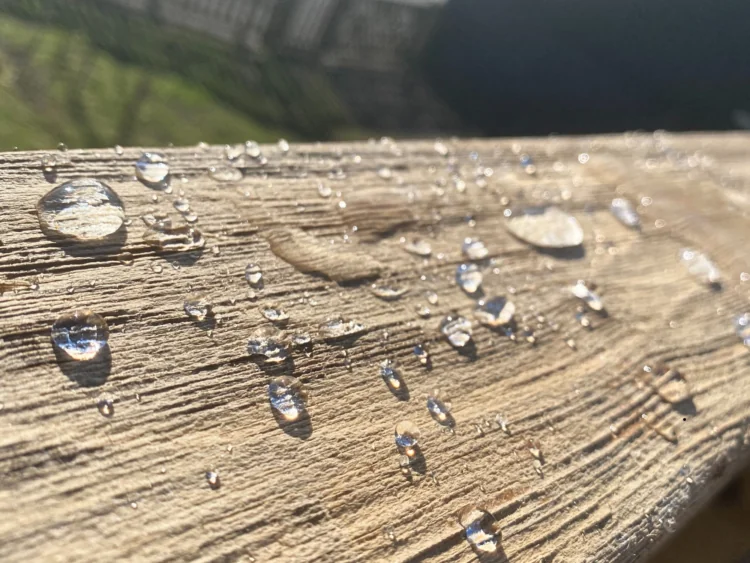
- Wood waterproofer – a wood waterproofer is an invisible treatment that creates a water repellent finish on exterior timber that reduces water absorption, while also remaining highly breathable by chemically bonding to timber
- Wood sealer – a wood sealer similar to a wood waterproofer in the way that it offers an invisible water repellent finish on exterior timber, creating a protective film on the wood that ‘seals’ the wood
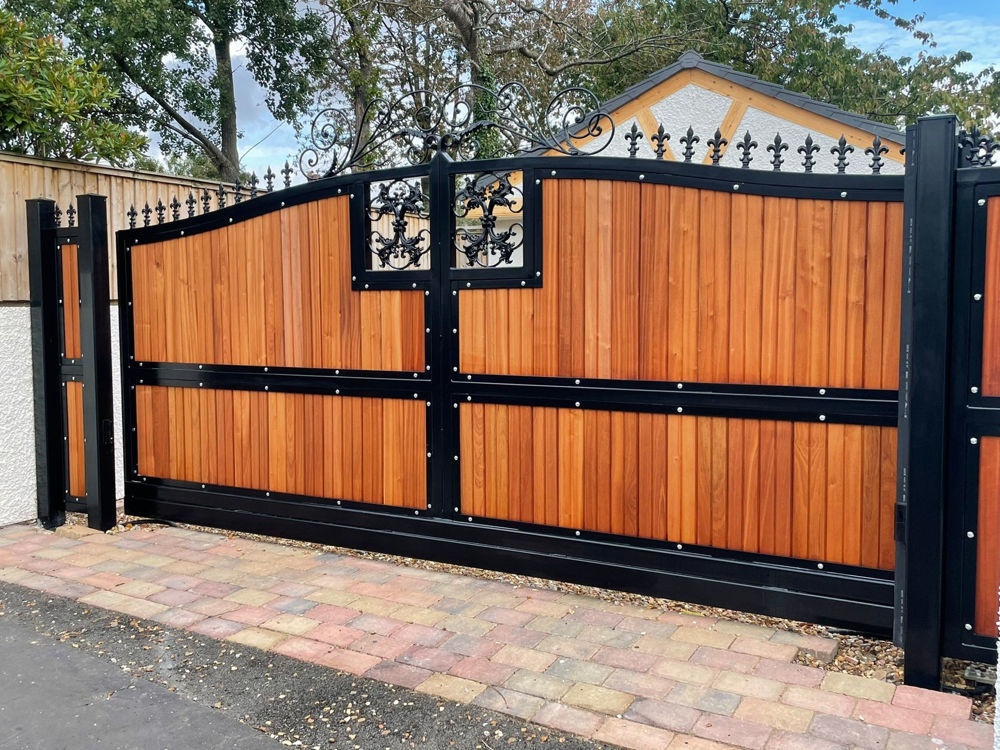
When choosing what type of product to use, there are a few things to consider:
1. Waterproofing
The terms ‘weatherproof’ or ‘weather-resistant’ are often used to describe exterior products, however this often means they are not fully waterproof and will uptake some level of moisture. Always check how a product’s ability to prevent water absorption is described.
2. Breathability
Breathability is just as important. It refers to how easily water vapour can pass through the wood. The higher the breathability, the more water vapour can naturally breathe out of a material and the drier it stays. If a low breathability coating is applied to wood, it will trap moisture within the timber, meaning it can cause more problems than it solves.
3. The finish
If you want to achieve a coloured finish and change the hue of the wood, a wood paint, wood stain or wood oil is your best option.
While these products are primarily designed to change the aesthetic of the timber, they will offer some level of waterproof protection to any outdoor wood. Wood oils are available in both coloured and clear versions, however even the clear versions will darken the timber once dry as they begin to nourish the wood.
If you want to maintain the natural colour of the wood but simply want to protect it from weathering, you can choose between a wood waterproofer or wood sealer. A waterproofer chemically bonds to the timber, creating an invisible, breathable barrier that repels water without forming a film. A sealer offers similar water resistance but creates a surface film, which reduces breathability.
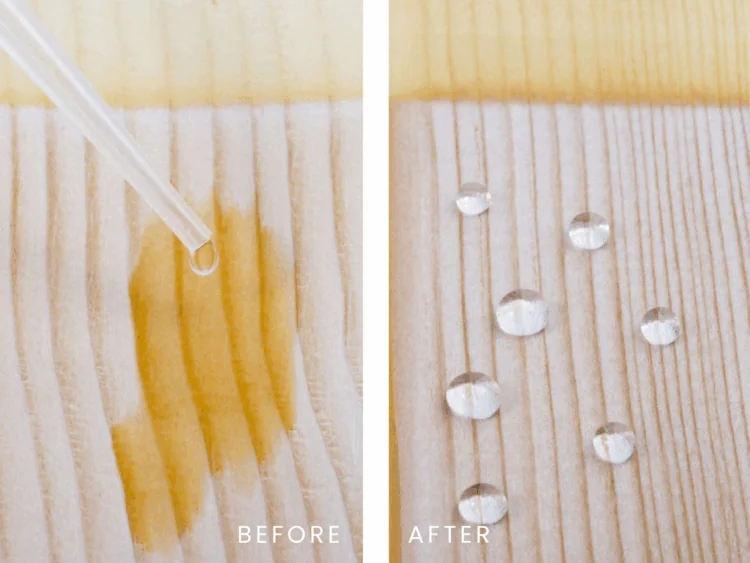
When it comes to offering long-term invisible protection, Emperor Wood Waterproofer was specifically designed. It uses nano-technology to chemically bond to natural outdoor wood. By chemically bonding to the wood, it does not create a film or seal on the surface meaning the breathability of the wood is not impacted but also that there is no change in appearance.
Frequently Asked Questions
Why do different products have different lifespans?
The lifespan of an outdoor wood product can vary widely due to a number of factors.
The simple explanation for this is a wood product’s lifespan is dependent on its ability to resist weathering.
The primary cause of failure in any outdoor treatment is its ability to keep water out, as moisture is what leads to the vast majority of problems with treatments. Heavily linked with this is breathability, as trapping moisture inside the wood will also cause damage.
Having said this, even if a waterproofing treatment works at first, over a matter of time it can begin to worsen in performance due to it not being designed for long-term use.
When evaluating the lifespan of a wood treatment, it is important to look for independent testing and to read carefully what conditions are applied to life spans, as sometimes lifespans can be calculated on the best possible conditions.
What wood can be treated?
It does not matter what outdoor wood you have, waterproofing it is the best way to protect it and extend its lifespan.
Emperor Wood Waterproofer can be used on wooden fencing, sheds, log cabins, cladding, decking, furniture. As long as the wood is bare, you can simply apply the product to the wood in order to provide it with quick and easy waterproof protection.
Be careful with some wood treatments, as some paints and stains cannot be used on horizontal outdoor wood such as decking.
Does treating wood change its colour?
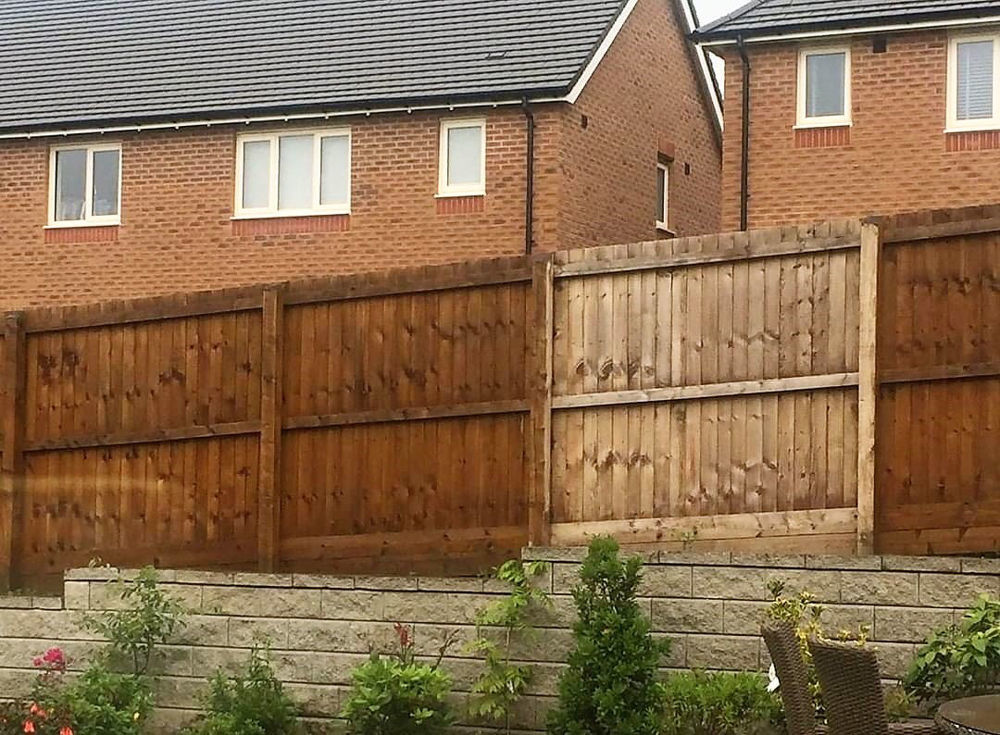
When any natural wood becomes saturated, it can darken significantly. This is particularly the case with softwoods such as spruce and cedar.
When you prevent this saturation, you maintain the natural hue of the wood and help not only to reduce the risk of any darkening, but also discolouration from organic growth.
How do I stop wood losing its colour?
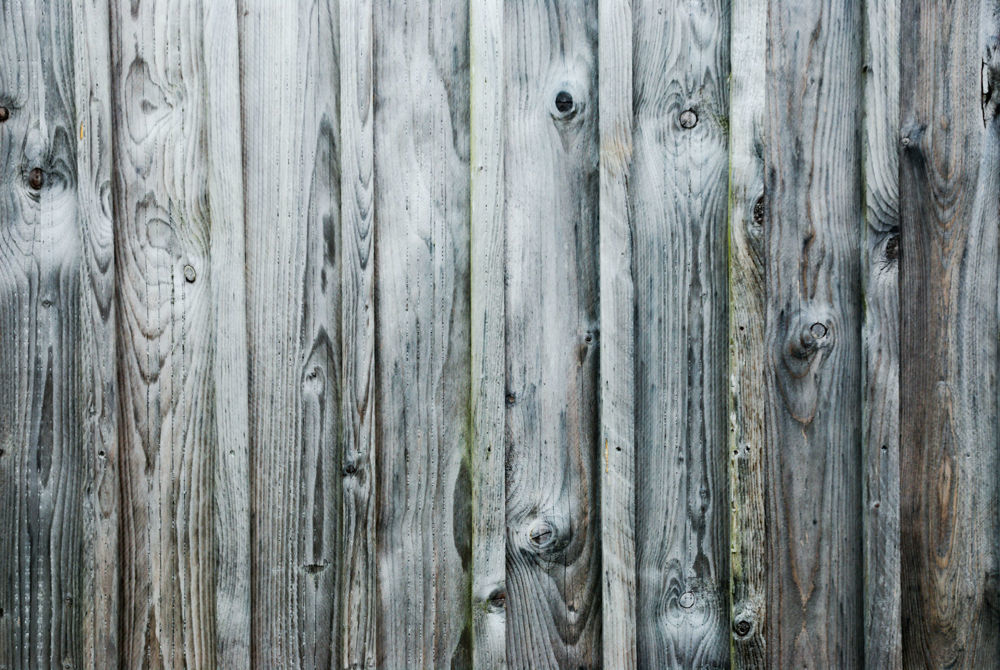
Even though in this country rainfall has the biggest impact on outdoor wood, UV degradation can cause problems even though we aren’t known for the amount of sunshine we get! UV rays bleach wood causing ‘silvering’, where natural wood loses the strength of its colour over time.
Emperor Wood Waterproofer is UV resistant, meaning it prevents silvering much in the same way suncream prevents sunburn on human skin. This ensures the natural colour of the timber is protected and your wooden surfaces stay looking their best long-term.
If you have more questions, we are here to help with our in-house team of experts. You can chat to them by emailing [email protected].
Ready to start? Take our handy quiz to get personalised recommendations and find the right products for your project in a few clicks.
This article was written by the Emperor Technical Team, a group of experts with an average of over 25 years experience in the building industry. They work daily with homeowners, tradespeople and specification professionals to deliver practical, expert guidance that promotes long-term results, supports wall health and helps create homes that are prepared for the future.