

How To Prevent Wood From Rotting – The Expert Guide
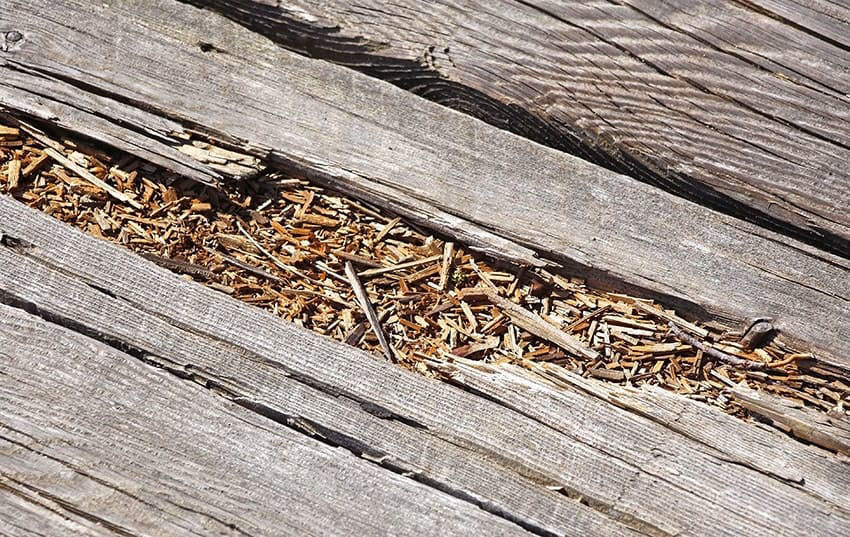
Rotting wood is common on fences, decking, furniture, and other timber surfaces, especially in the UK. Our experts’ guide explains how to prevent rot and keep your timber protected long-term.
In this guide we will cover:
- What is rotting wood and what causes it
- How to prevent wood rotting
- Step-by-step guide to preventing rotting
What Is Rotting And What Causes It?
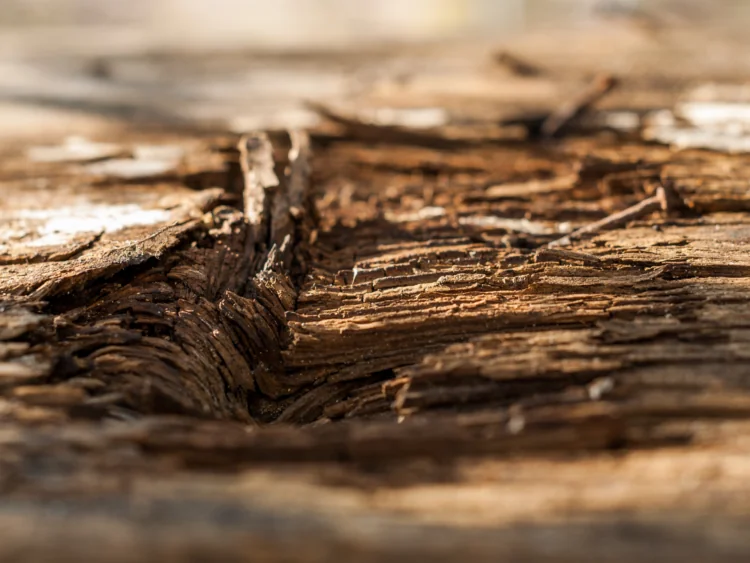
Rotting, especially wet rot, is caused by a fungus that feeds on damp wood, weakening and breaking it down. It thrives in saturated conditions, so prolonged water ingress accelerates damage. Once it starts, rot worsens unless the source of moisture is stopped, often requiring major repairs.
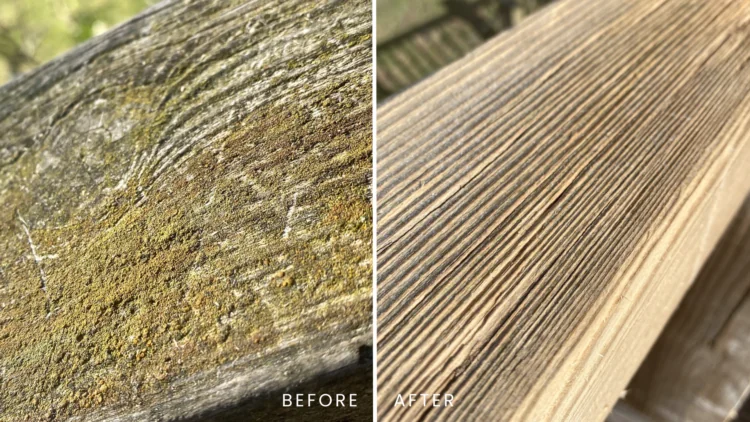
Wood is highly porous, so untreated timber absorbs rain and becomes damp. This moisture can cause rotting, shrinking, cracking, and encourage organic growth such as algae, moss, and lichens, which can discolour and damage the wood.
How Do You Prevent Wood Rotting?
Whether protecting new wood or treating timber already showing signs of rot, the key is applying a waterproofing treatment to reduce water absorption. Keeping wood dry prevents the fungus that causes rot from developing.
Types of Wood Treatments:
- Wood paint – Opaque, coloured finish, covers grain, available in matt, satin, gloss.
- Wood stain – Semi-transparent, adds colour while keeping the grain visible.
- Wood oil – Enhances natural look, nourishes timber, often less durable, oil-based.
- Wood sealer – Clear, invisible film, water repellent surface.
- Wood waterproofer – Clear, chemically bonds with timber pores, water-repellent and breathable.
- Wood wax – Natural beeswax, nourishes wood, mainly for interior use.
The best wood treatment depends on the look you want and the level of protection you need. Key factors are its ability to repel water and remain highly breathable. Wood is highly porous, so untreated timber absorbs moisture, increasing the risk of wet rot. Using a water-repellent treatment keeps the wood dry and prevents the conditions fungi need to thrive. Not all treatments are fully waterproof, only products that are water repellent effectively limit moisture absorption.
Waterproofing is only effective if the product is highly breathable, allowing water vapour to escape. Low-breathability coatings trap moisture inside, worsening rot and other damage. To protect exterior wood effectively, choose a treatment that is both waterproof and breathable, like Emperor Exterior wood waterproofer.
Choosing the Right Wood Treatment
If you want to change the wood’s colour, use a wood paint or stain. These provide a coloured finish but are rarely fully water-repellent, so choose a high-quality product to avoid weathering, blistering, or peeling over time.
For invisible protection that maintains the natural look, a wood oil or waterproofer is ideal. Wood oils nourish and replace natural oils, are oil-based, and may need 2–3 coats. Waterproofer chemically bonds with timber pores, is water-based, and works in a single coat. Both provide water-repellent protection against rot while keeping timber’s natural beauty.
Emperor Exterior Wood Waterproofer uses super hydrophobic technology, lining pores so water is repelled while vapour passes through. This keeps wood dry, preventing rotting, discolouration, organic growth, and UV damage, extending its lifespan. Chemically bonding rather than forming a surface film means no peeling or flaking, with independent tests confirming 25 years of performance.
Learn more: Super hydrophobic technology
A Step-By-Step Guide To Preventing Rotting
You will need:
- Emperor Exterior Wood Waterproofer
- Paint brush, roller or pump-sprayer
- Dust sheet
- 180 grit sandpaper (may be required)
- Masking tape
- Exterior wood filler & filling knife (may be required)
1. Preparation
roper preparation is key to achieving a great finish and ensuring your wood treatment performs effectively. Outdoor wood often has dirt, debris, or organic growth that must be removed before applying any treatment.
Cleaning the wood:
-
Use a power-washer for heavily soiled wood to remove dirt and fungal growth.
-
For lightly soiled wood, hot soapy water and a soft brush is usually enough.
-
Sanding with 180-grit paper can help remove ingrained dirt.
Applying a cleaner:
-
Treat weathered wood with a fungicidal cleaner to kill mildew, lichens, and algae.
-
Apply with a brush, roller, or pump-sprayer and allow to dry for 2 hours.
Repairs and protection:
-
Remove crumbling or defective timber caused by wet rot.
-
Fill gaps with exterior wood filler that matches the wood colour.
-
Use masking tape and a dust sheet to protect surrounding areas before applying treatment.
2. Applying the treatment
Before applying the treatment, ensure the wood is completely dry, as moisture prevents proper absorption. The product can be applied with a hand-pump sprayer, brush, or roller, use a brush or 4″ roller for small areas, or a 9″ roller or sprayer for larger surfaces. Apply one coat at 5m² per litre and leave to dry for 1 hour at 20°C.
The full water-beading effect appears after a few days, but the wood is waterproof once touch dry.
Frequently Asked Questions
Is it suitable for new or weathered wood?
Waterproofing new timber early is the best way to prevent rotting. Weathered wood can also be protected as long as any repairs are made first. Preventing water absorption keeps wood dry, extends lifespan and maintains its appearance long-term.
Can I apply it to previously painted wood?
No. Emperor Exterior Wood Waterproofer must be applied to bare, untreated wood to absorb and bond properly.
What guarantee of performance is there?
Independently tested in a 25-year accelerated weathering trial with no loss of performance or appearance. A 10-year manufacturer guarantee ensures protection in any conditions, helping to preserve and extend the wood’s lifespan.
What is the difference between water-based and oil-based?
Water-based products dry faster, have lower Volatile Organic Compounds (VOC’s), and no strong odour, while oil-based products contain more solvents and take longer to dry.
We hope we have answered any questions you may have had regarding protective wood treatments. If you have any other questions, feel free to get in touch with our team of experts who are on hand to assist you. Contact them today by emailing [email protected] or calling them on 01254 936121.


