
How To Apply Textured Paint To Exterior Walls
Decorating exterior walls is one of the first jobs on many homeowner’s summer DIY lists. What can often cause confusion is the various textured finishes that you may come across when tackling exterior walls and how textured finishes are created, maintained and repaired.
To help you through the process our experts have put together our complete guide to textured paints and how to apply textured paint to exterior walls, so you can find everything you need to know in one place.
In this guide we will cover:
- Textured paint vs smooth paint
- Choosing between smooth and textured masonry paint
- How to apply textured paint
Textured Paint Vs Smooth Paint
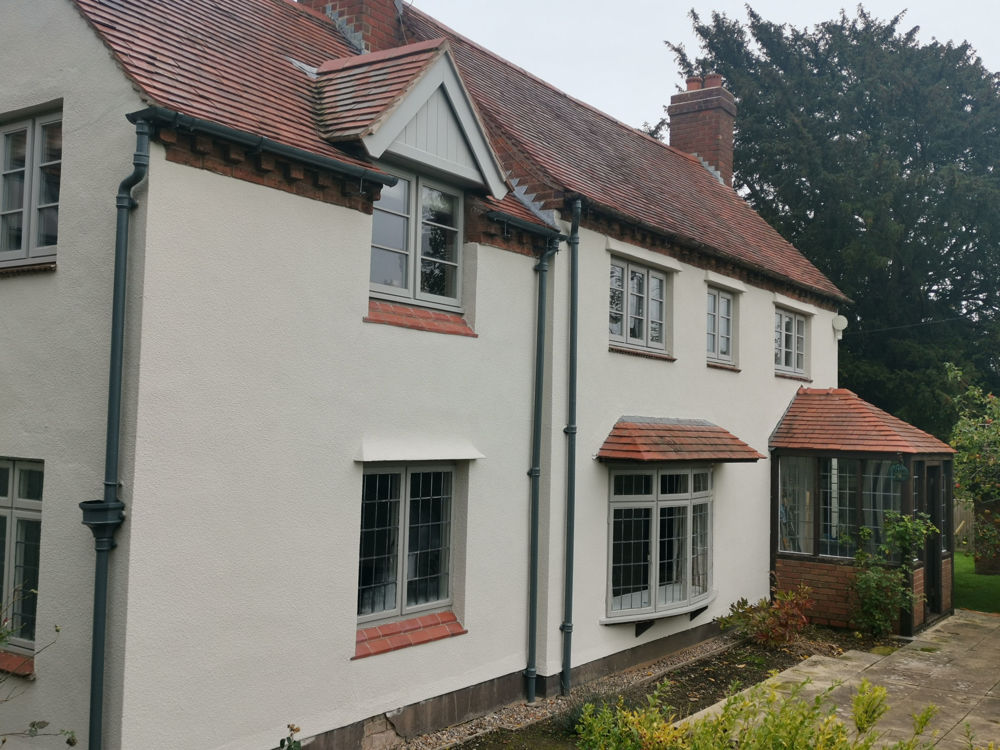
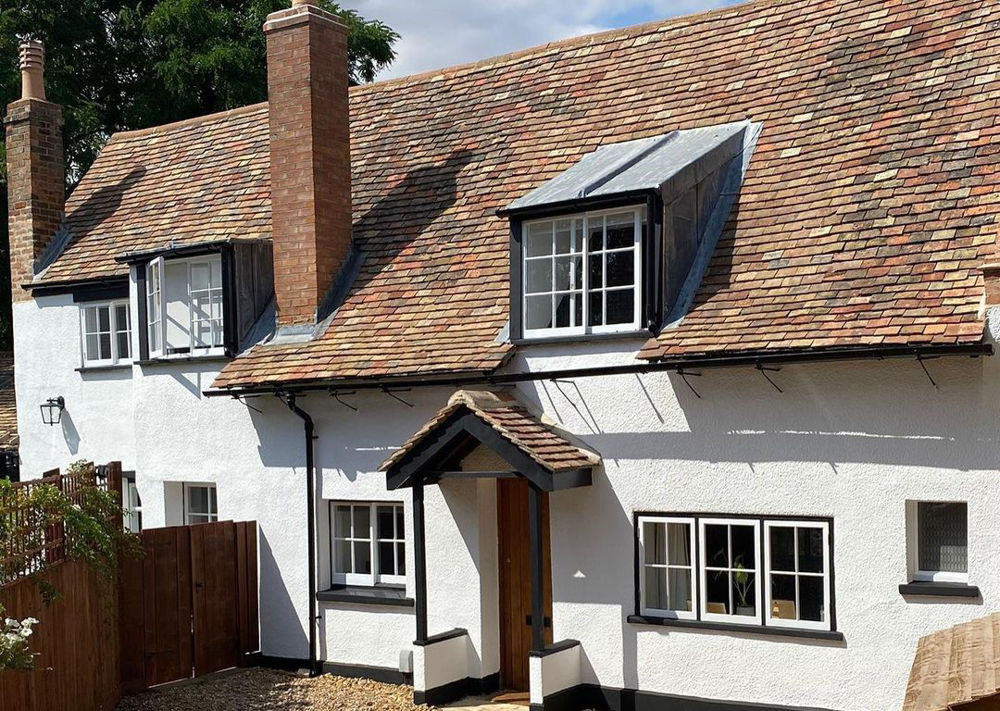
In the UK, exterior walls can have a range of finishes, from smooth renders to textured options like pebbledash. These rougher textures are often chosen for appearance and added durability, especially in rural and coastal areas.
Masonry paints are designed specifically for exterior walls, offering strong durability and weather protection. Smooth masonry paints are the most common choice, as they cover the surface without changing its texture; smooth stays smooth, and pebbledash stays textured.
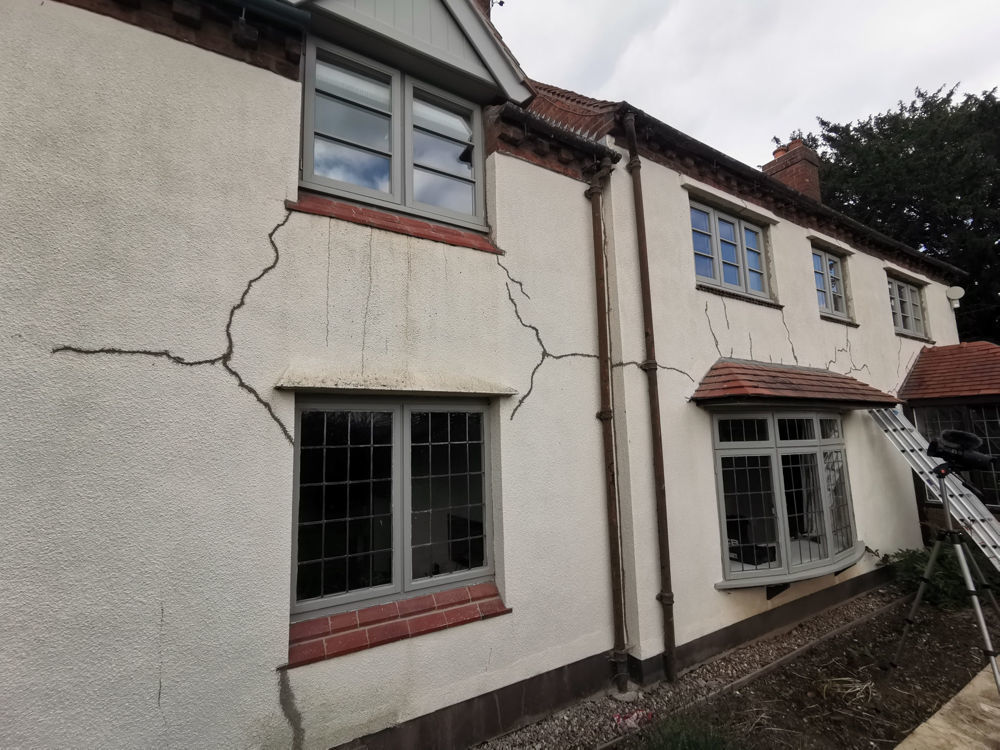
Textured masonry paints, which contain added grit, create a rougher finish and can help hide hairline cracks and minor imperfections that smooth paints cannot.
Choosing Between Smooth and Textured Masonry Paint
There are a number of things to consider when deciding whether to use a smooth masonry paint or a textured masonry paint.
Style
The finish you achieve has a huge impact on the style of your home. Modern properties generally have smooth finishes, whereas more traditional, rustic properties often have a textured finish. Utilising different finishes is a fantastic way to impact the overall styling and feel of your home.
The existing surface
The surface you are decorating plays a key part in deciding how best to approach the finish you want to achieve. If you already have an existing textured surface that suffers from cracking and needs repairs, using a textured paint will help disguise these imperfections. Equally, if you have a textured finish or a smooth finish that is sound and you want to maintain this texture, using a smooth masonry paint is the best option as you simply need to coat the surface.
The quality of the paint
When painting exterior walls, texture matters, but paint quality matters more. Standard UK masonry paints are usually acrylic-based, which absorb moisture over time, leading to discolouration, damp and peeling due to low breathability. Their SD ratings are often higher, meaning less vapour can escape, anything below 0.5 is considered breathable.
Acrylic paints are cheaper and easier to manufacture, which is why they typically last only 1-10 years. Silicone-based paints offer far better moisture resistance and breathability, giving them lifespans of 25+ years.
Textured masonry paints are less common, so options are limited and some may not offer the same long-term performance as high-quality smooth paints.
The Best of Both Worlds
We knew how important both performance and the flexibility to choose a finish is when we were developing our innovative exterior products, which is why we offer both smooth and textured products in our masonry range. This means that textured finishes can be created using the basecoat, which can then be overcoated using our smooth masonry paint which can be used on smooth or textured surfaces to create a beautiful, long-lasting finish.
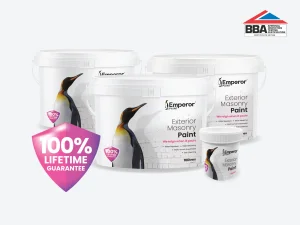
Emperor Masonry Paint
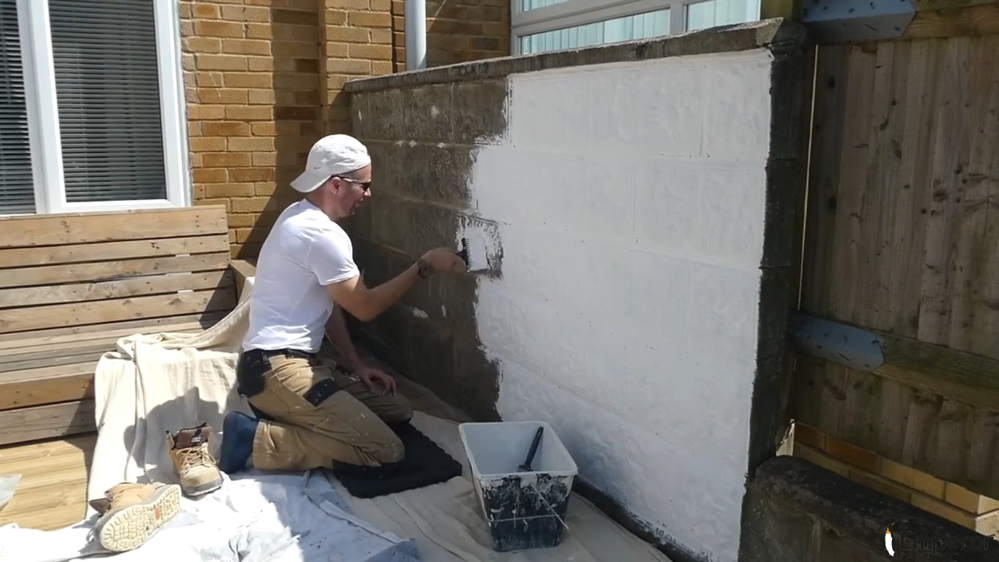
Emperor Masonry Paint is a coloured, smooth silicone-based masonry paint that uses advanced nano-technology to line the pores of masonry without sealing them, allowing full breathability. With an SD rating of 0.03, its breathability is comparable to limewash.
It also creates a super hydrophobic surface that repels water, reducing absorption by 96% and preventing moisture from getting beneath the paint film, which is one of the main causes of paint failure.
This combination of high breathability and water resistance gives the paint exceptional durability. In independent UKAS testing, it showed no deterioration after the equivalent of 25 years of weathering, meaning it is likely to exceed this lifespan.
For this reason, we offer a lifetime guarantee ensuring its performance for decades to come.
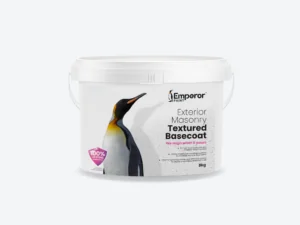
Emperor Textured Basecoat
Emperor Textured Basecoat can create a range of textured finishes, ideal for either repairing or covering cracks and other imperfections on exterior walls. It can also be used to create textured finishes on full walls, if a change of texture is desired. As a basecoat, it is designed to be applied to exterior walls and then overcoated by Emperor Masonry Paint, which provides the protective, decorative finish in a colour of choice.
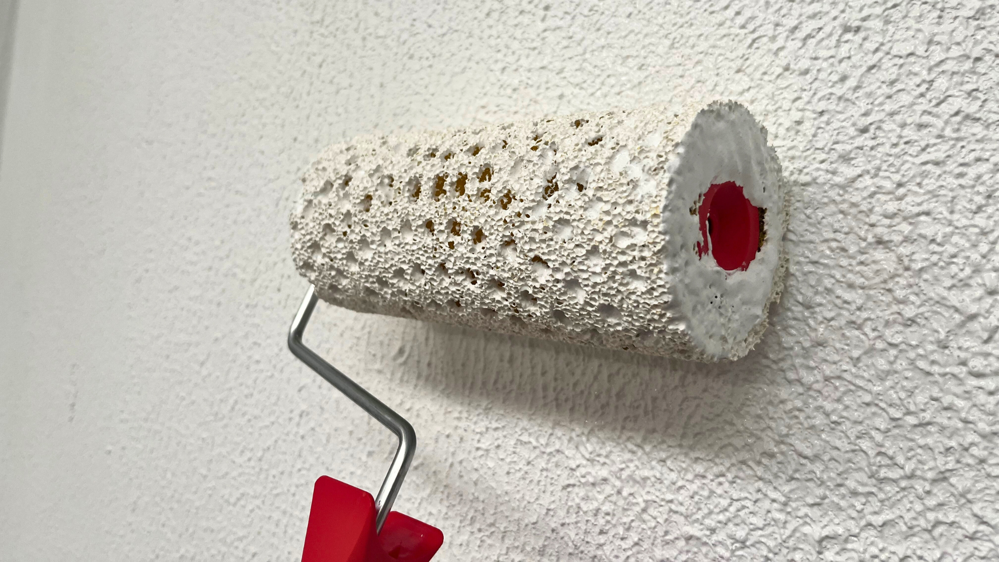
The beauty of Emperor Textured Basecoat is that it is highly versatile as it can achieve different finishes, from light to rough textures, using our range of textured rollers. It can be simply rolled on to the surface as easily as a paint, with the various textured rollers creating the finish for you. This means that you can repair walls yourself easily and for a fraction of the cost of traditional rendering.
Crucially, Emperor Textured Basecoat does not compromise the performance of the wall like some textured paints can. Firstly, it is 100% compatible as a basecoat with Emperor Masonry Paint meaning it works with the paint and not against it, for optimum performance. Secondly, it is highly breathable with an SD breathability rating of 0.04, ensuring you do not compromise the breathability of the surface you apply it to.
How To Apply Textured Paint
If you want to transform your exterior walls by repairing a textured finish or creating one from scratch don’t worry, it is easy.
Here is our experts step-by-step guide to applying textured paint from start to finish.
You will need:
- Emperor Masonry Paint
- Emperor Textured Basecoat
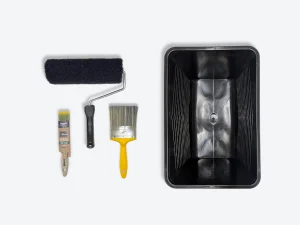
- Masonry roller (long-pile roller)
- Textured roller
- Paint tray or scuttle
- Paint brush
- Dust sheets
- Window film
- Masking tape
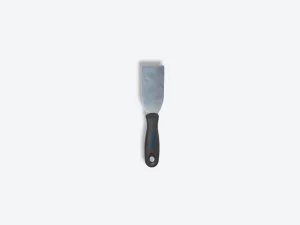
- Exterior filler & filling knife (may be required)
- 120 grit sandpaper
- Scraper (may be required)
-
Preparation
- Ensure the surface is clean, dry and sound to achieve long-lasting results.
- Fill cracks or holes over 0.5mm, smaller cracks can be filled later with Emperor Textured Basecoat.
- Remove loose mortar or debris so the filler bonds well.
- Use a quality exterior filler like our Toupret Masonry Repair Filler and allow it to dry fully.
- Scrape off any loose or flaking paint from previously painted surfaces; leave any paint that is still sound.
- Tap the wall to check for hollow or loose areas in the masonry or render and repair if needed.
- Wash the walls with a hose, low-pressure washer, or brush with hot soapy water; allow to dry.
- Treat any mould or organic growth with a fungicidal cleaner such as Emperor Masonry Cleaner and leave for at least 2 hours.
- Mask off edges around windows, doors and trim, and use dust sheets to protect nearby surfaces.
-
Basecoat
- Emperor Textured Basecoat is self-priming; only use it if you want to add texture.
- If you do not want texture, apply one coat of Emperor Exterior Primer to bare masonry instead.
- Choose your finish using a light, medium or rough textured roller, or apply with a brush for a different texture.
- Apply generously without spreading too thinly, to maintain texture.
- Coverage is typically 350–500g/m², depending on the texture level.
- Allow to dry for 24 hours at 20°C.
-
Paint
- Ensure temperatures are above 5°C before painting.
- Cut in around the edges with a brush, starting at the top of the wall.
- Use a long-pile masonry roller to apply the first coat.
- Allow to dry for at least 8 hours at 20°C.
- Apply the second coat for full coverage and a consistent finish.
- Expect the full beading effect to develop within 10 days, although the wall is protected immediately.
We know that finding what products you need for your project can feel overwhelming, but we’ve made it easy! Take our project quiz to get personalised recommendations and find the right products for your project in a few clicks.
Frequently Asked Questions
Is a textured finish recommended for coastal or rural areas?
A textured finish is often common in rural and coastal areas generally because these finishes are easier to repair if cracks and other imperfections arise.
Do textured finishes get dirty?
One of the most common problems homeowners can experience with textured finishes is that they have a tendency to gather dirt over-time. This is due to the small gaps between the stipple of the texture that can create the ideal space for dirt to attach. These gaps also allow moisture to gather, which causes organic growth to develop.
The result is that textured finishes can discolour easily in a short period of time which is why smoother finishes are often chosen.
This can be resolved however using Emperor Masonry Paint thanks to its self-cleaning properties. As the super hydrophobic surface that Emperor Masonry Paint creates repels rainwater, this rainwater gathers any dirt that attaches to the textured surface and washes it away. Furthermore, by preventing water soaking into the surface, the paint also helps to prevent the conditions required for organic growth to develop, reducing algae and other fungus.
Does Emperor Textured Basecoat repair render?
Yes, if you have areas of render that have failed, you can apply the basecoat in order to marry up the repair with the existing surface (once the failed areas have been removed). The alternative repair using a traditional render could be much more expensive and time-consuming, making Emperor Textured Basecoat an ideal render repair system.
We hope we have answered any questions you may have had regarding textured paint and how to apply them to exterior walls. If you have any other questions or would like advice, feel free to get in touch with our team of experts who are on hand to assist you. Contact them today by emailing [email protected] or calling them on 01254 936121.
From this guide