

The easy way to repair render
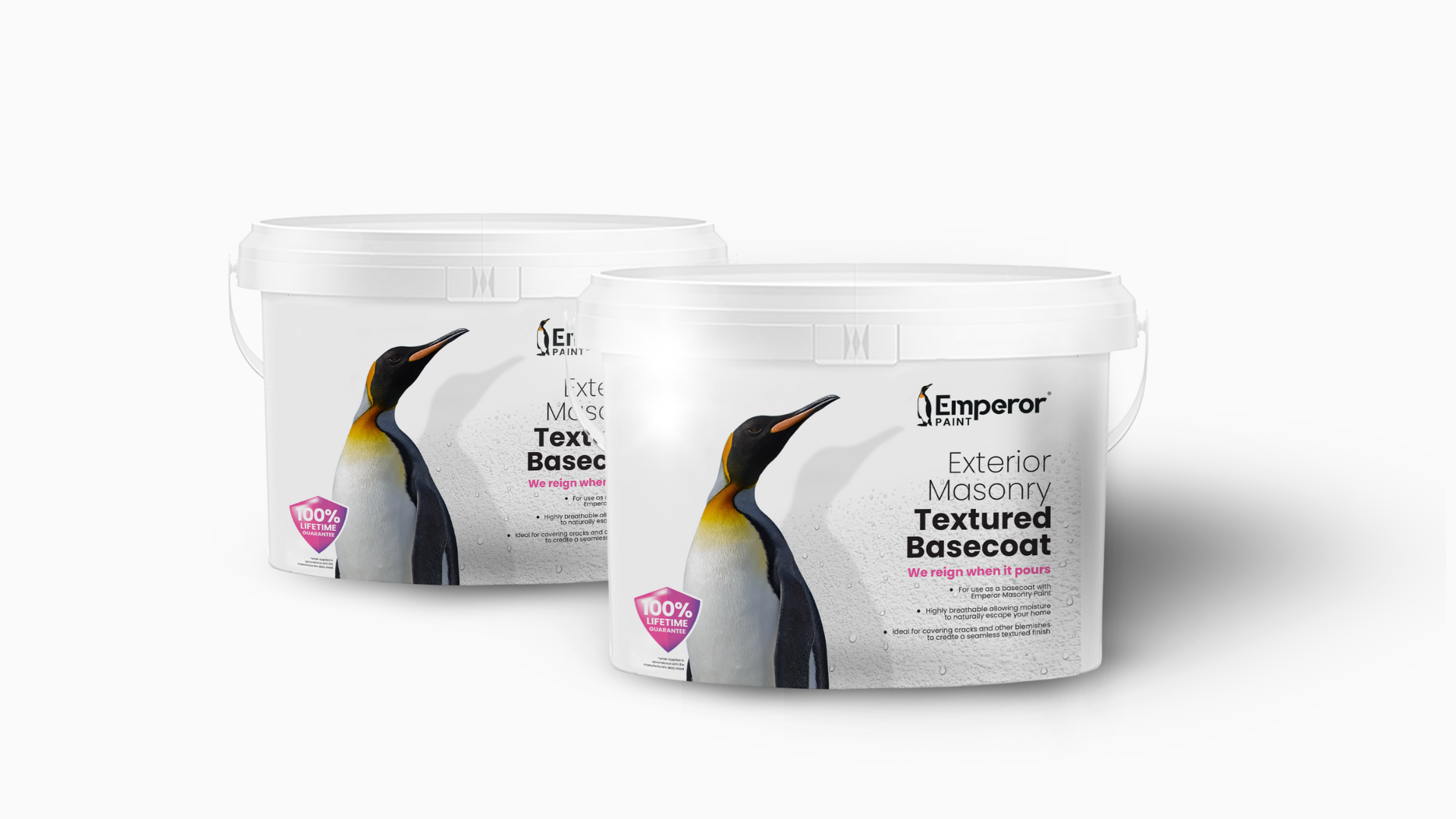
Repair walls at home yourself for a fraction of the cost of re-rendering with Emperor Textured Basecoat.
Render problems that can cost you
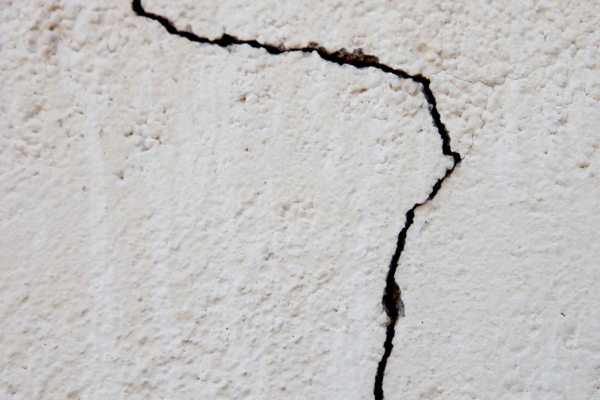

Cracking and damage
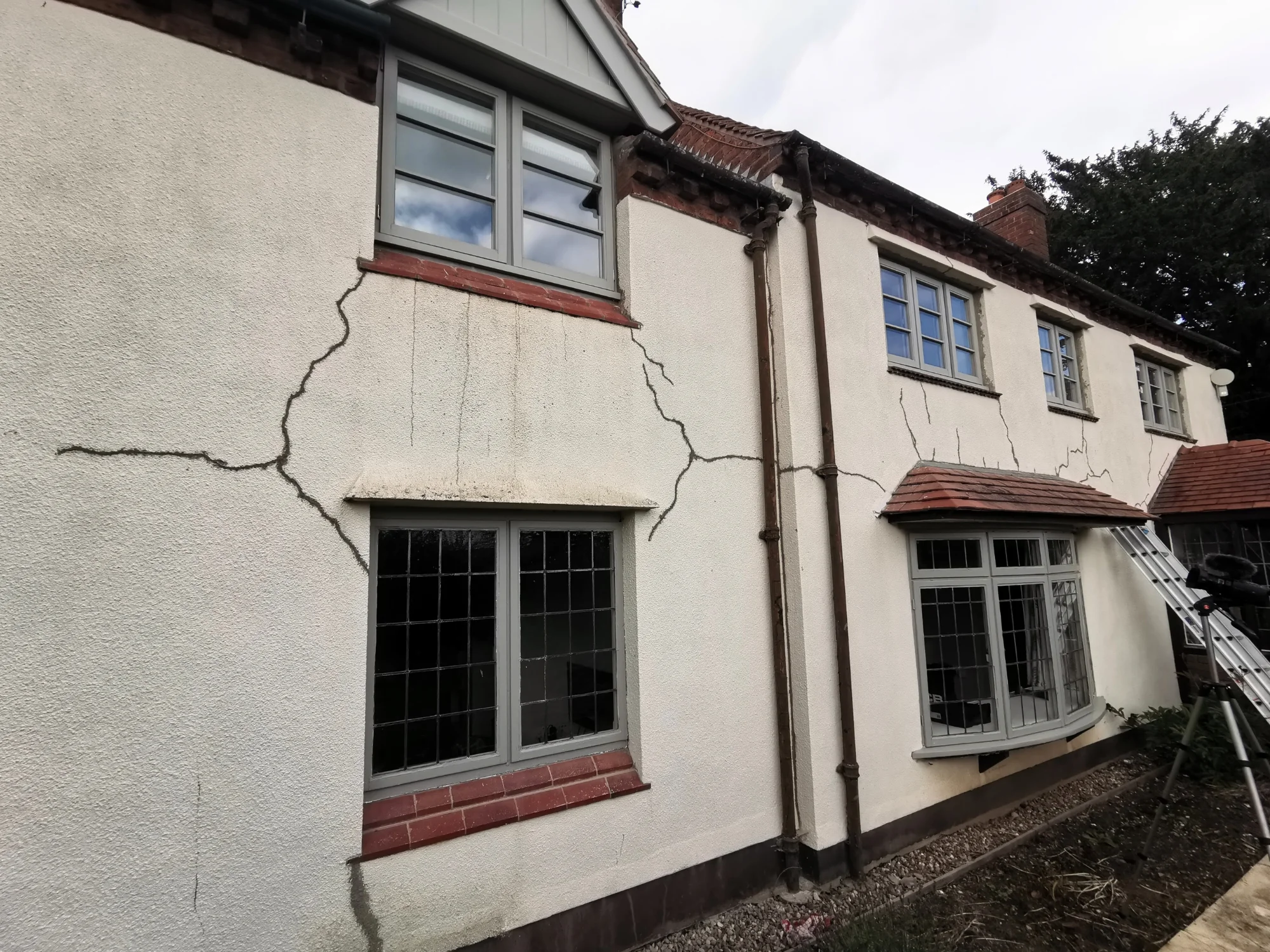
Cracks in render allow water to enter your home. This often leads to damp and further damage if repairs are delayed.
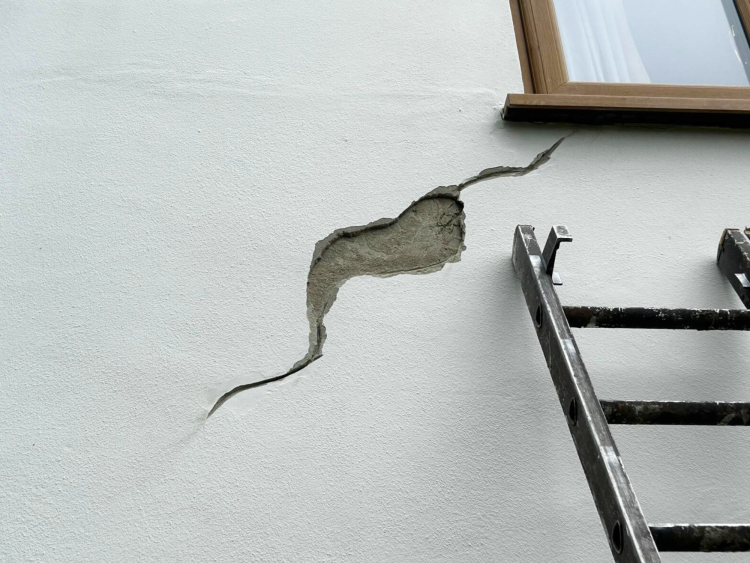

Render falling off
Failing render can detach from your walls, exposing masonry and leading to costly repairs. Early repair helps restore protection and prevent further deterioration.
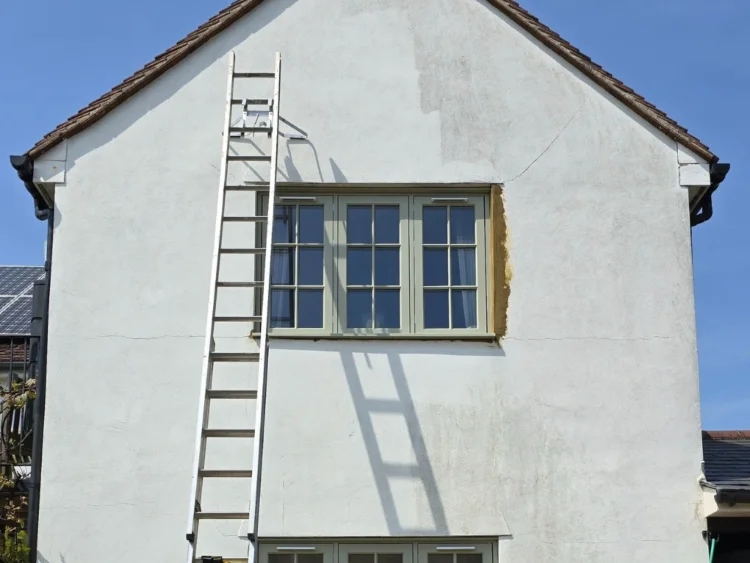

High repair costs
Traditional render repairs often cost thousands, while textured basecoat repairs are typically completed for a fraction of the cost using DIY tools.
Why render repair is difficult
Repairs often don't blend in
Repairing render is rarely straightforward. Most render damage starts small, with a crack, a blown patch or an area that has failed. The problem is, you’re only repairing part of the wall matching the existing render is difficult, so repairs often stand out.
Re-rendering the whole wall is expensive and unnecessary for small areas, but patch repairs rarely blend properly and often need doing again.
So how do you repair render properly without re-rendering the whole wall?
A new way to repair your render
There’s a way to repair render without starting again. Emperor Textured Basecoat is a roll-on render repair system designed to simplify the process. It applies like paint but builds a textured surface, allowing you to repair, blend and rebuild damaged areas as you work.
Instead of patching and trying to match by hand, you use a textured roller to recreate the finish across the wall, disguising repairs and creating a consistent surface ready for painting.
How to repair render yourself
Step 1: Prep
You are making sure the surface is clean, dry and stable.
Fill any cracks or holes with a exterior filler such as Toupret Masonry Repair Filler and allow to dry.
Wash the surface with a hose, low-pressure washer or hot soapy water, then allow it to dry. Once the wall is clean and sound, you are ready to apply the basecoat.

Step 2: Roll
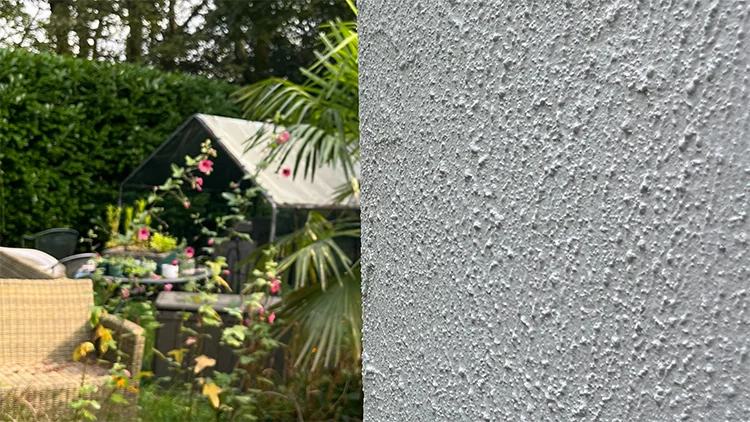
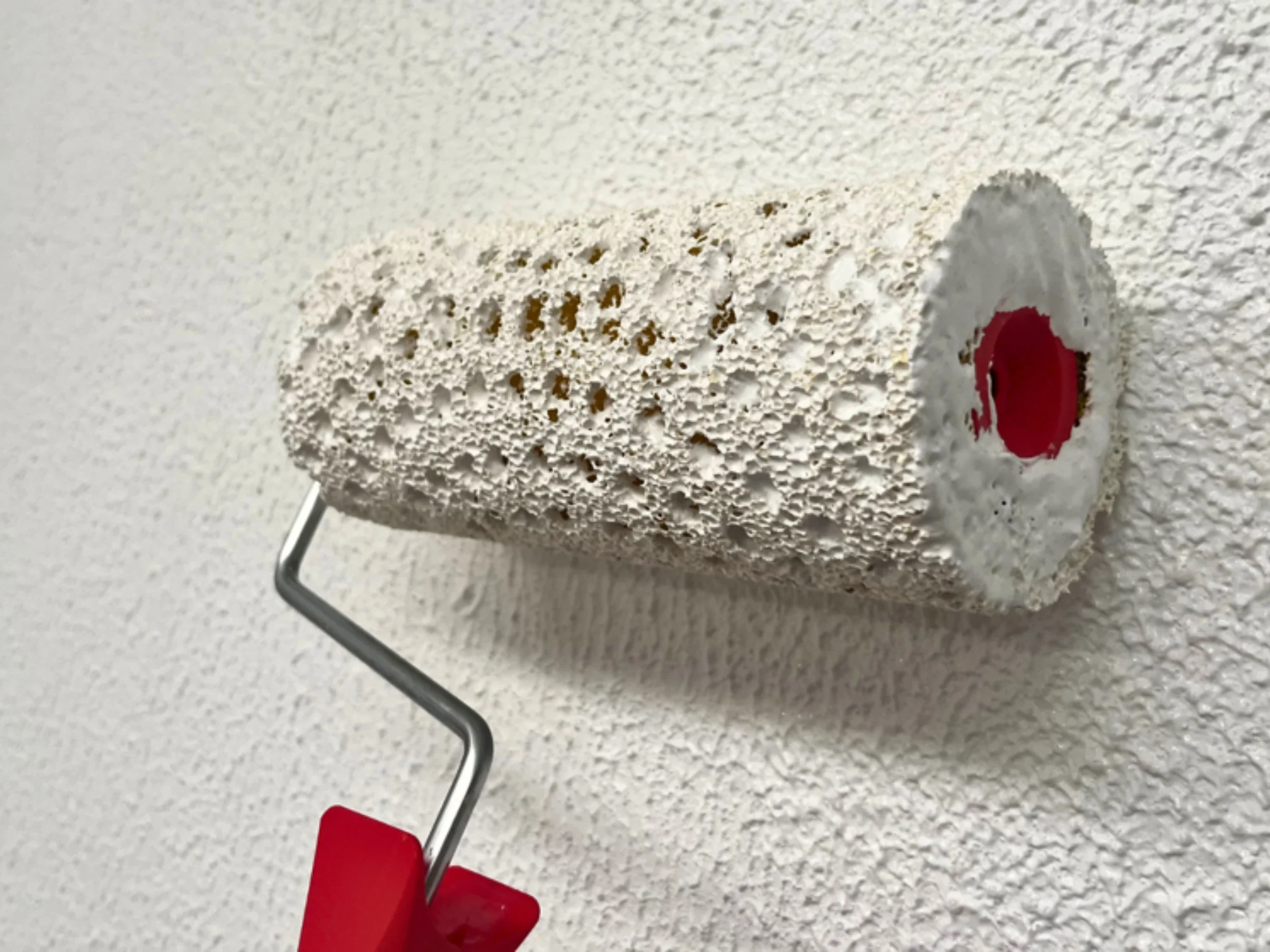
You do not need rendering skills or specialist tool. There is a range of textured rollers to choose from, so you can pick the finish that matches your wall, whether lightly or heavily textured.
You can build up or soften the texture as you go, making it much easier to blend repairs into the surrounding surface so they don’t stand out.
Load your chosen textured roller with the basecoat and simply roll onto the wall. The roller does the work, creating the texture for you as you roll.
Step 3: Paint
Traditional render repairs often need weeks to dry before they can be painted, which can waste a lot of time.
After 24 hours Emperor Textured Basecoat is dry, so you can paint over it with the exterior masonry paint of your choice. That means you can finish the job and move on without weeks of waiting.

Less hassle, better results
Saves time and money
If you can paint a wall, you can apply Emperor Textured Basecoat. It allows you to repair walls yourself for a fraction of the cost and inconvenience of traditional render repair.
Blends repairs seamlessly
Cover cracks and imperfections to create a seamless, uniform finish, so you stop noticing where the damage was. Repairs fade into the background, leaving your home looking like new again rather than patched up.
Highly breathable
With an SD breathability value of 0.04, your home can maintain its natural ability to breathe. Air and water vapour can easily escape through the walls as the pores aren’t sealed.
Repair your walls
Emperor Textured BasecoatReady to keep your home protected and achieve a flawless textured finish? Shop Emperor Textured Basecoat or if you need advice on the best approach, speak with the experts in our technical team.
Frequently Asked Questions
What is the difference between Emperor Textured Basecoat and a render?
There are several differences between Emperor Textured Basecoat and traditional render. One of the main differences is that it can be applied with a brush or roller, whereas a render is generally applied with a trowel or hawk, making it a specialist project that is difficult to complete at home yourself. Emperor Textured Basecoat can be applied to repaired surfaces to hide them, allowing anyone to repair masonry or render easily and effectively.
Emperor Textured Basecoat is also quicker drying, meaning you can repair surfaces and paint them without waiting months for the render to dry out.
Is Emperor Textured Basecoat just for patch repairs?
Emperor Textured Basecoat is highly versatile. It can firstly be used for hiding cracks and other imperfections, where repairs have been made. It can also be used to create a textured finish on full exterior walls, preventing the need for more costly and time-consuming rendering.
Do I need to paint over Emperor Textured Basecoat?
Yes, Emperor Textured Basecoat is not a finishing product; it is a basecoat for creating a textured surface ready to be painted. You must apply two-coats of Emperor Masonry Paint over the basecoat once it has fully dried.
How durable is Emperor Textured Basecoat?
Emperor Textured Basecoat has been designed with our nano-technology, giving it superior performance in all weather conditions. It also actively binds to surfaces to create a strong bond for long-term performance.
How much Emperor Textured Basecoat do I need?
The amount of Emperor Textured Basecoat you will require for your project depends on the finish you are achieving and the area of the work. You can expect to achieve between 350 and 500g per m2, depending on the texture, with lighter textures achieving higher coverage per m2. As a guide, an 8kg tub of Emperor Textured Basecoat will cover up to 16m2 with a light texture.
How long should I wait to paint over cracks I have repaired?
Making sure you allow your repairs to fully dry is crucial before painting.
The drying time depends on the product you used, thickness of the repair and weather conditions.
As a rule of thumb, smaller repairs using filler can take 24 hours, while deeper re-rendered areas may take 4-6 weeks to fully dry.
What does blown render look like?
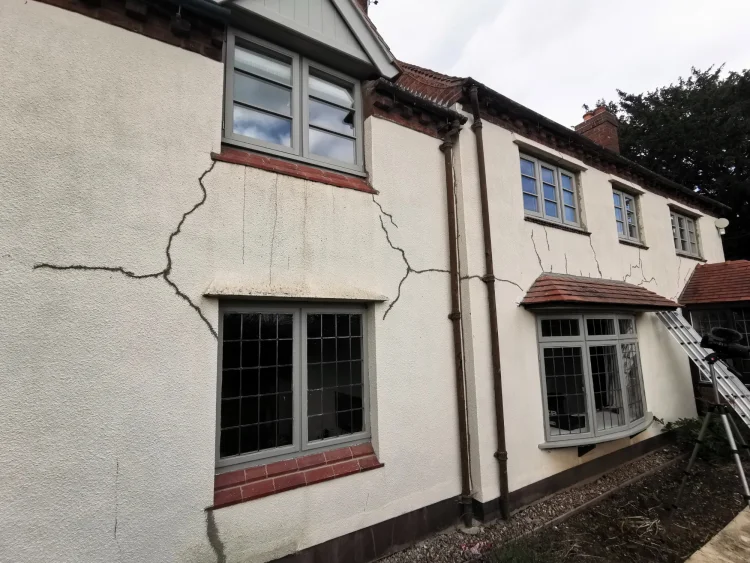
If you’re seeing cracked or bulging areas of render or bits of render that are falling away, the render may be blown.
Explore other common problems
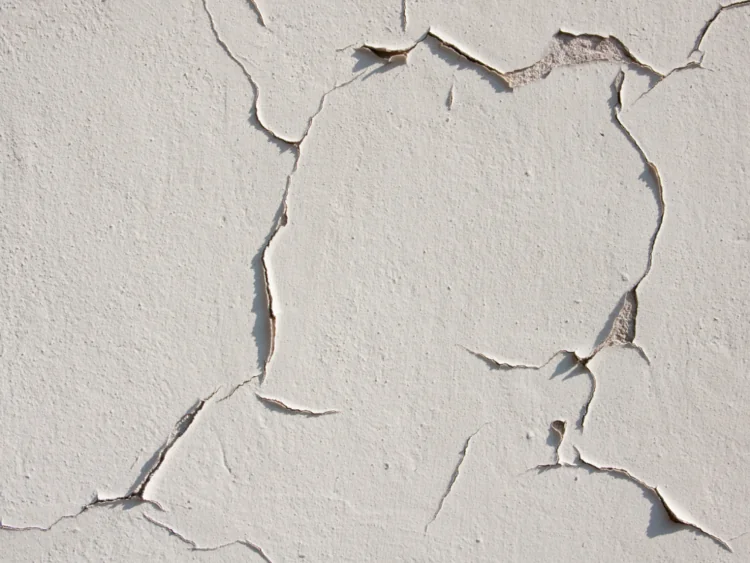
Peeling paint
Say bye to peeling paint for good with our expert's tips on common causes, things to know and which products to use.

Damp walls
Learn how to stop damp and paint the surface so you can say bye to wet walls for good.
Explore all common problems
No two problems are the same. Find the solution to your problem so you can finally say bye to them for good.