
Painting Outside Walls – Everything You Need To Know

Painting the outside walls of our houses is a DIY job that will be on many people’s to-do list when the temperature rises and the rain subside (somewhat). That is why our experts have put together this handy guide to painting outside walls, so you can find the information you need to get started, all in one place.
In this guide we will cover:
- Why paint outside walls?
- What paint to use on outside walls?
- Super hydrophobic technology
- Painting walls – step by step guide
Why Paint Outside Walls?
Exterior painting is something anyone can do with the right knowledge. Before starting, consider whether painting your house or garden walls will provide long-term value. Painting bare masonry can be tricky, and removing paint later is difficult, so plan the final look carefully. Heritage properties may also have regulations you need to follow.
Painting yourself carries the risk of poor results. Achieving a long-lasting, attractive finish requires careful preparation and the correct steps, it’s more than just applying paint.
Read more: House painting everything you need to know
Aside from the risks, there are a number of reasons why you may want to paint outside walls:
1. A CHANGE OF COLOUR
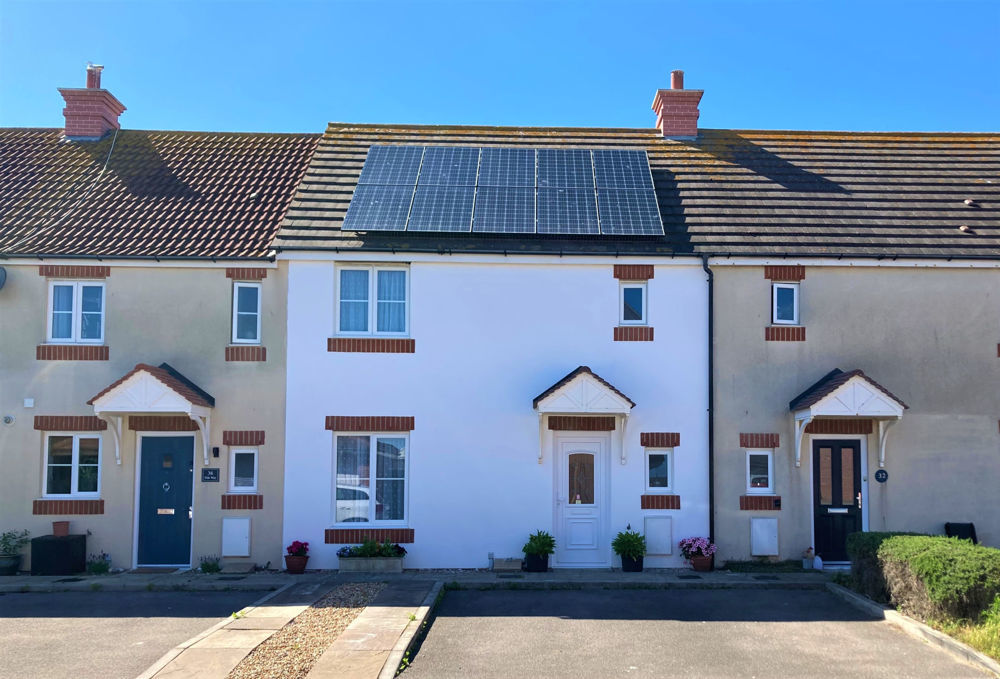
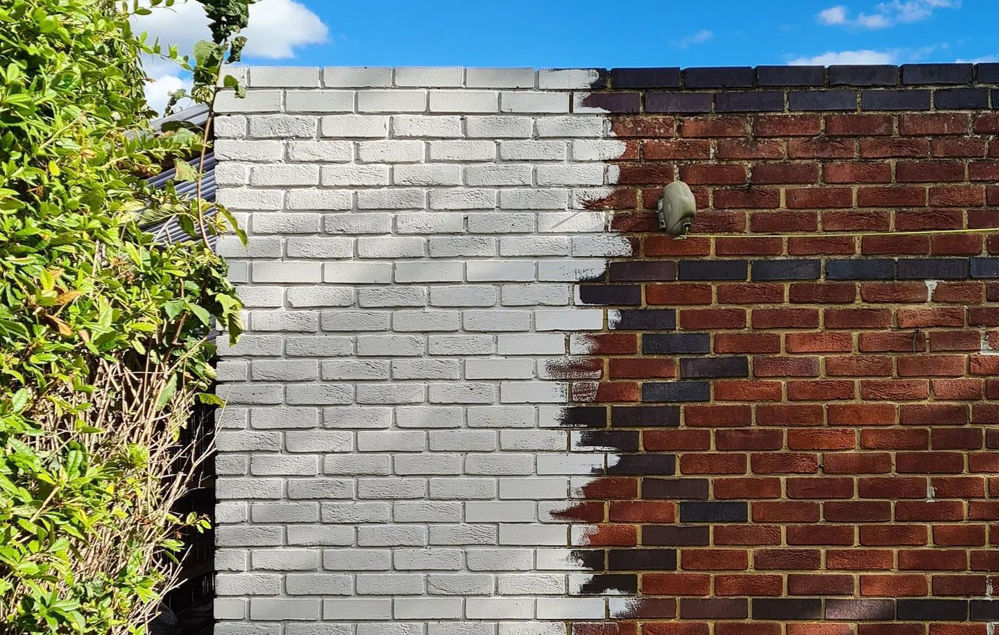
A lick of paint is an easy way to give your home a completely different look. Whether you want to modernise it with a white or grey shade or want to give it a bit of personality with a pink or blue, the options are endless. Whether you have a new or old property, the kerb appeal of a newly painted house truly is a thing to behold!
2. ADD VALUE
Adding value to a property is easier said than done, especially with the expense involved in many renovation works. With painting outside walls, this is a cost-effective and non-invasive way to add value to a property. Whether you are thinking about the future or plan to sell the property, a beautiful exterior is the perfect way to invest in your house.
3. PROTECTION
Painting your house doesn’t just improve its appearance, protects against moisture and the damage it can cause. Natural surfaces like brick, stone, and concrete are porous and absorb water, leading to issues such as damp, structural damage, heat loss, and discolouration.
How moisture affects your home:
- Structural damage: Freeze-thaw cycles expand water in walls, causing cracks in brickwork or render. Saturated materials can crumble, and mortar can degrade.
- Penetrating damp: Moisture can travel through solid walls or cavity-insulated walls, causing black mould and interior damp.
- Heat loss: Wet walls transfer heat faster, reducing energy efficiency (walls account for 35% of heat loss).
- Reduced kerb appeal: Moisture encourages moss, green growth, and dark patches, making walls look tired and dirty.
Using a waterproof masonry paint helps reduce moisture absorption, protecting walls from damage while keeping them looking clean and maintaining performance.
What Paint To Use On Outside Walls
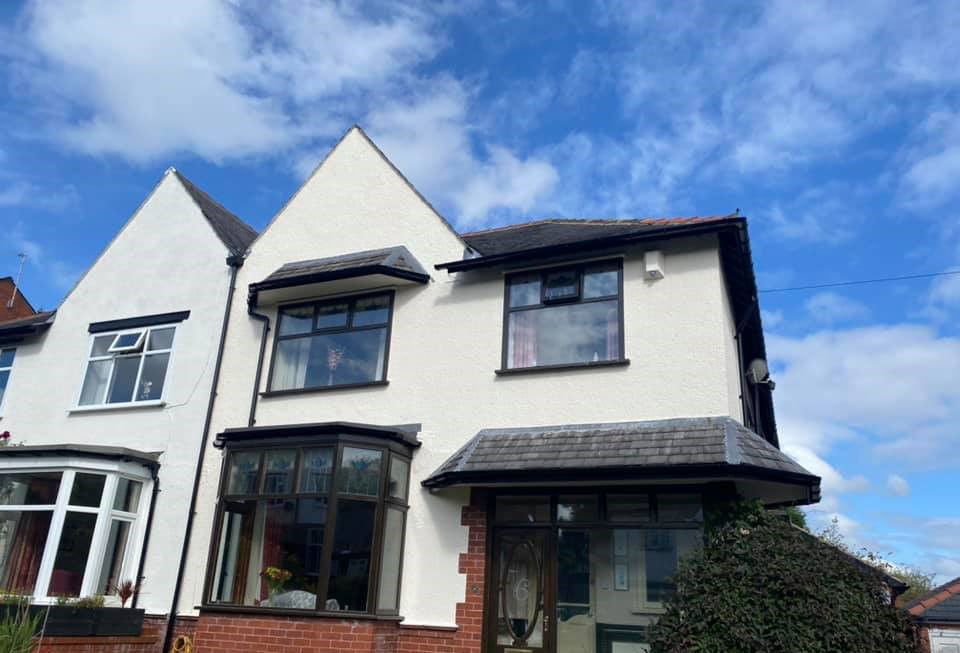
When it comes to painting houses, there are specially designed exterior paints for this task in the form of masonry paint. Masonry paint is a durable form of paint that can be applied to any walled surface, including brick, stone & render. These masonry paints vary widely in terms of formulation & durability. Understanding which type of masonry paint is best for you is crucial when deciding which paint to opt for. Here are the four main types of masonry paint:
Acrylic-based masonry paint
- Most common in the UK, water-based, offers some weather protection.
- Not fully waterproof; low breathability can trap moisture and cause paint failure.
- Lifespan: 1–5 years.
- Ideal for small DIY projects or a budget-friendly option.
Silicone-based masonry paint
- Highly breathable and water-repellent, keeping walls dry.
- Long-lasting: 20+ year lifespan.
- Compatible with all substrates, including silicone renders like K-rend.
- Higher upfront cost but saves money long-term by reducing repainting.
Oil-based masonry paint (Pliolite)
- Can be applied down to -5°C and is quickly shower-resistant.
- Very low breathability, so rarely used for homes; mainly in commercial or specific situations.
Limewash
- Traditional, highly breathable, still used on heritage properties.
- Low durability and weather protection; requires frequent reapplication.
- Many heritage properties now use highly breathable silicone formulations for protection without reducing water vapour permeability.
Super Hydrophobic Technology
We developed our highly advanced super hydrophobic nano-technology in order to provide the ultimate masonry protection to homeowners.
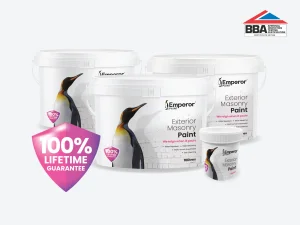
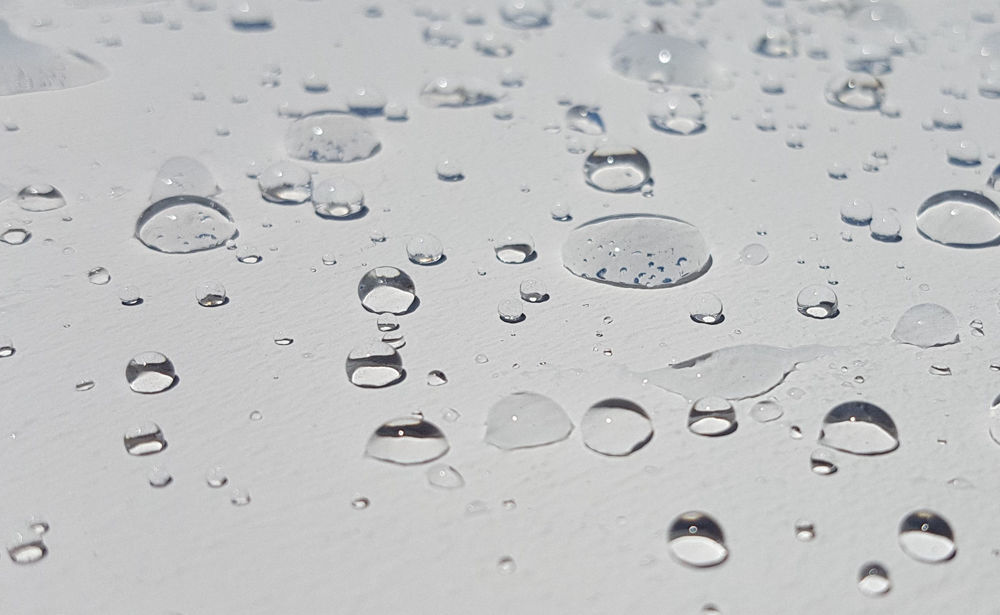
Emperor Masonry Paint is a silicone masonry paint that has been designed to offer high breathability, as well as water repellent protection that completely waterproofs exterior brick walls. It achieves this by creating a super hydrophobic surface on exterior brick that means any rainfall forms ‘beads’ on the surface and simply falls straight off the painted wall before it can absorb into the building.
This combination of super hydrophobic technology and high breathability means while water cannot absorb into the wall, any moisture already in the wall can freely evaporate out. This assists in reducing penetrating damp.
To test the technology, we took it to an independent UKAS accredited laboratory to test the technology. Emperor Masonry Paint was found to have no impact on the breathability of the surface once painted and reduced water absorption by 96%. Not only this but it was also tested in a 25-year accelerated weathering process, which found that after 25 years of heavy weathering, it showed no signs of change in appearance or performance. As it looked and performed like it did when it was applied, Emperor Masonry Paint comes with a lifetime guarantee as it will far exceed the 25 year proven performance.
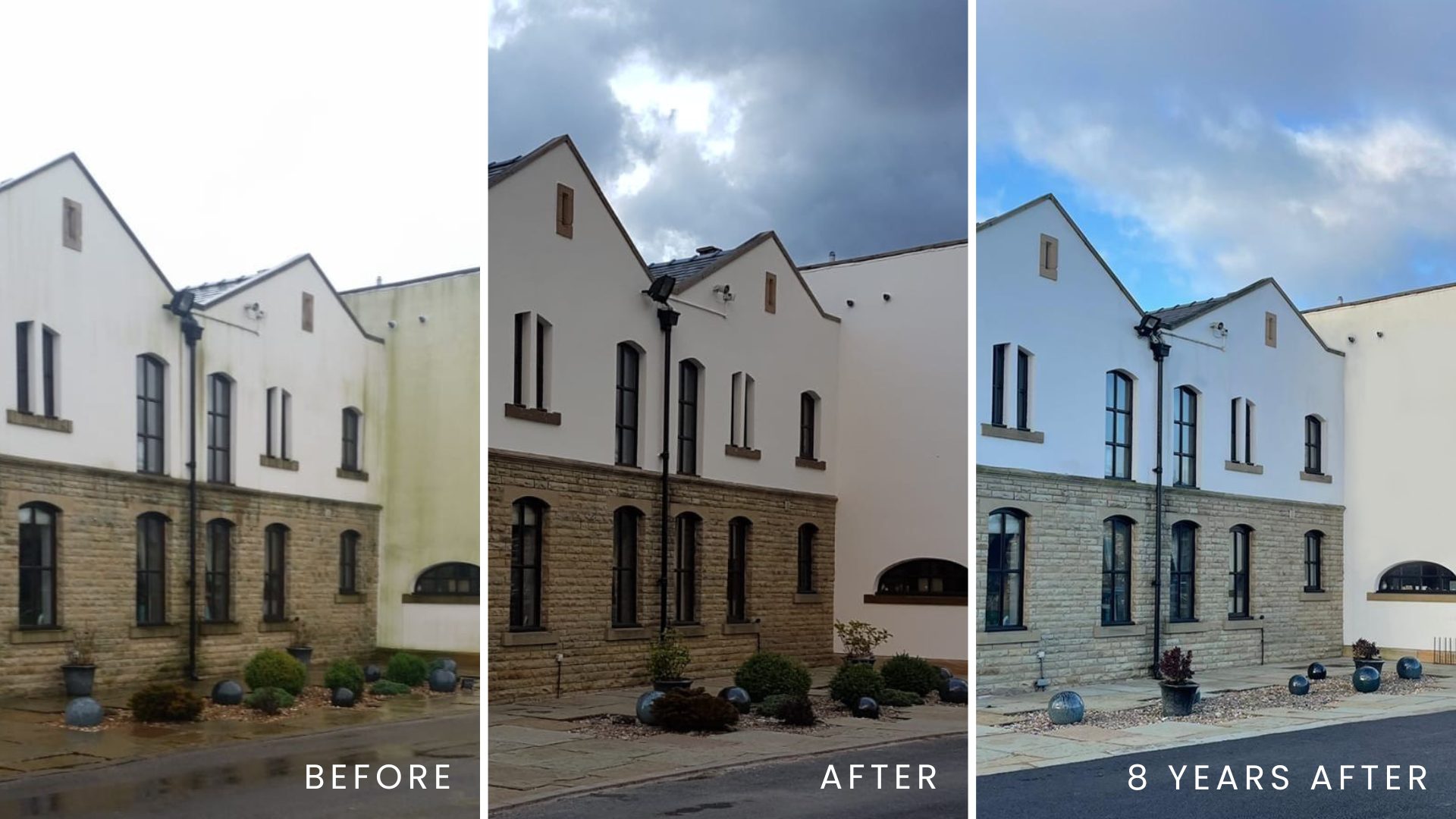
This super hydrophobic technology has a number of other benefits, including self-cleaning and heat retaining properties. Just like water cannot attach to the painted surface, neither can dirt. Any dirt or debris simply washes off the surface with any rainfall. Furthermore, the moisture that allows fungal growth such as moss & lichens to grow on the wall is reduced. A property that previously suffered from large scale green growth was painted using Emperor Masonry Paint. After 8 years, the green growth has been eradicated.
Lastly, by keeping brick walls dry, Emperor Masonry Paint helps to improve the heat retention of exterior walls. In the independent testing a brick wall left unpainted was found to be on average 6°C colder than the brick wall painted with Emperor Masonry Paint.
Painting Outside Walls – A Step By Step Guide
YOU WILL NEED:
- Masonry paint
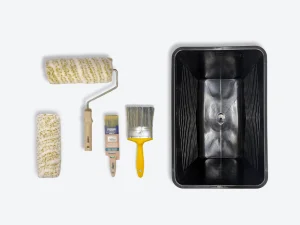
- Masonry roller (long-pile roller)
- Paint tray or scuttle
- Paint brush
- Dust brush
- 120 grit sandpaper
- Dust sheets
- Window film
- Masking tape
- Exterior filler & filling knife (may be required)
- Scraper (may be required)
1. PREPARATION
Proper surface preparation is essential for long-lasting results. Skipping or rushing this step can compromise the finish, cause paint failure, and may lead to costly repainting.
Steps to prepare your exterior wall:
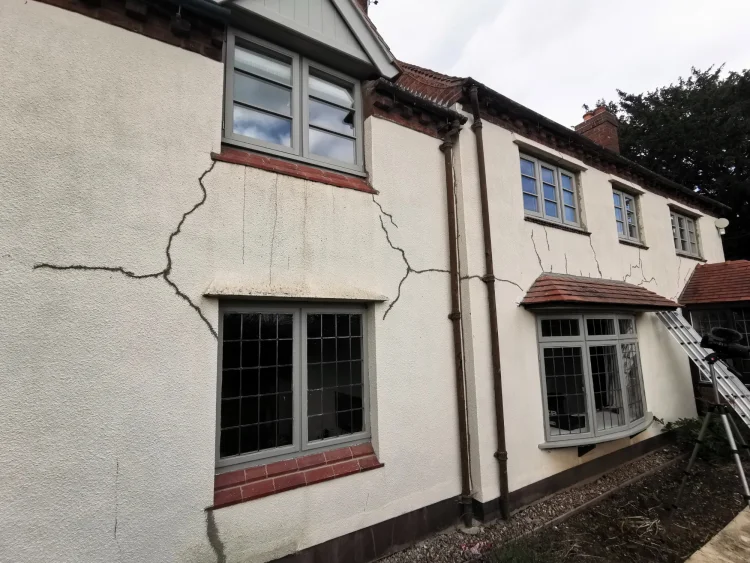
- Fill cracks and holes
- Remove any loose mortar, rubble, or debris from cracks and holes.
- Enlarge very small hairline cracks slightly to ensure filler can properly adhere.
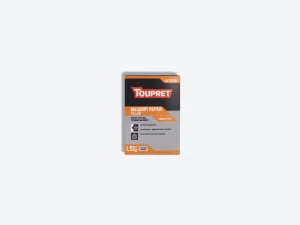
- Use a high-quality exterior filler, such as Toupret Masonry Repair Filler, and work it fully into the defect.
- Once dry, sand the area smooth using 120-grit sandpaper for a seamless finish.
Remove peeling or flaking paint
- Scrape away any loose paint until you reach a firm, stable edge.
- This ensures the new paint adheres correctly and prevents future flaking.
Clean the wall thoroughly
- Wash down the wall with a hose to remove dirt, dust, and debris.
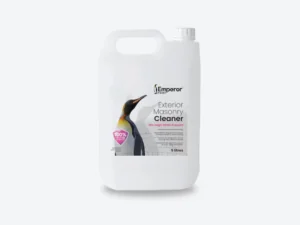
- Treat areas with mould or green growth using a fungicidal masonry cleaner, such as Emperor Masonry Cleaner.
- Allow the cleaner to work for at least 2 hours; no need to rinse before painting.
Protect any surfaces
- Apply masking tape along edges, doors, and windows to achieve neat lines.
- Lay down dust sheets on the ground to catch splashes and prevent mess.
By following these steps carefully, you’ll create a clean, sound surface that maximises adhesion and ensures your exterior paint finish is durable, smooth, and long-lasting.
2. PRIMING
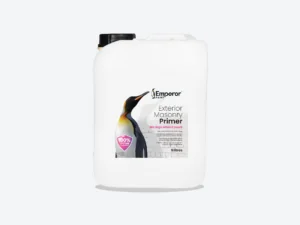
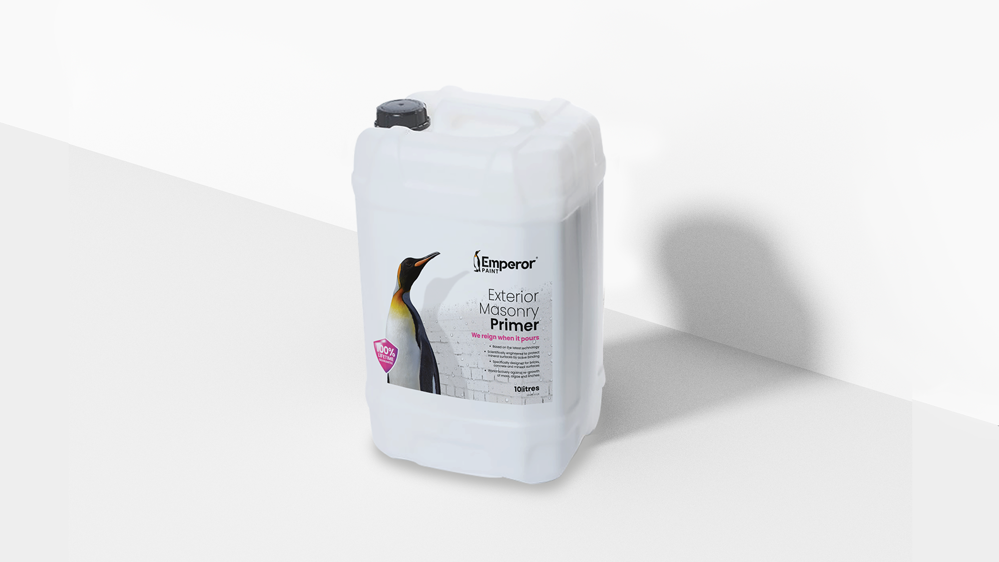
A masonry primer is a thin liquid that is designed to improve the adhesion of paint to bare brick, stone or concrete. If you do not use a primer, your first coat of paint would partially absorb into the masonry, leaving you with a blotchy, uneven coating of paint.
How to use:
-
Apply a thin, even coat with a roller or brush.
-
Let it dry 3–5 hours before painting.
-
Be careful as primer is hard to clean once dry due to its adhesive properties.
Previously painted walls:
-
Primer is usually unnecessary.
-
For small patched areas, you can use a diluted coat of paint as a primer like Emperor Masonry Paint diluted 10% with water.
-
Not recommended for large surfaces.
3. PAINTING
- Cut in first: Start at the top of the wall and use a brush to paint around edges, corners, and trim. This ensures a neat finish before using a roller.
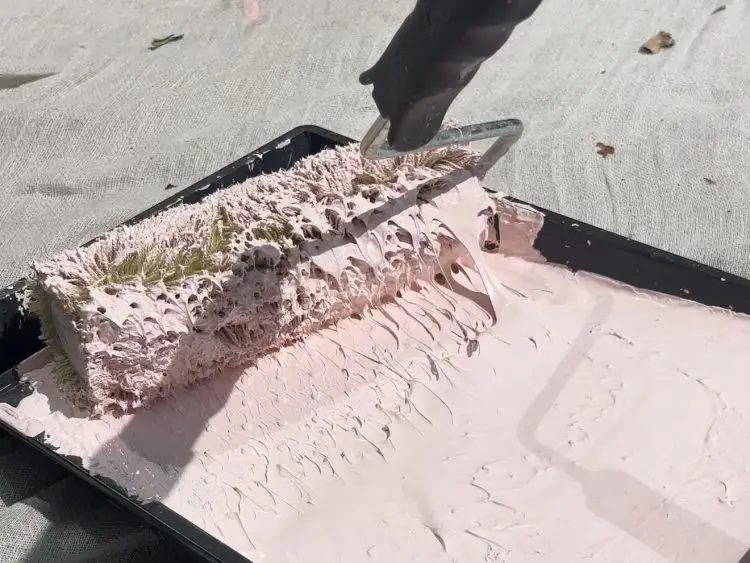
- Apply the first coat: Use a masonry long-pile roller for rough or textured surfaces, or a medium-pile roller for smoother walls. Apply 5–6 m² per litre on smooth surfaces and 3 m² per litre on heavily textured surfaces like pebbledash. Spread the paint thinly and evenly for the best results.
- Drying time: Allow the first coat to dry fully before applying the second. For Emperor Masonry Paint, this is typically around 8 hours.
- Apply the second coat: Roll or brush on a second even coat, ensuring full coverage. Let this dry completely before removing masking tape.
- Full effect: The super hydrophobic ‘beading effect’ takes up to a week to fully appear, although the paint is waterproof from the moment it is applied.
Read more: How to apply
Frequently Asked Questions
Can you paint outside retaining walls?
Yes, you can paint retaining walls, but they need the right preparation. Because retaining walls hold back soil, moisture can build up behind them. To avoid damp or paint failure, the wall should be tanked first to create a waterproof barrier before painting.
What colours are available?
Emperor Masonry Paint comes in 18 exterior colours, including whites, greys, beiges and several pastel shades. Sample pots are available so you can test colours before you paint. View the full range on our colour inspiration page.
How much paint will I need?
How much paint you need depends on:
- The size of the wall
- The coverage of the paint you are using
- The number of coats required
Measure the wall’s height × width to get the m² area, then compare it with the paint’s coverage rate. Emperor Masonry Paint covers 5–6m² per litre. See our full guide for a detailed calculation.
Read our full guide: How much paint do I need?
How often will I need to paint?
This depends on the paint quality and preparation. Standard masonry paints often last around 5 years. With correct application, Emperor Masonry Paint lasts a minimum of 25 years, offering long-term protection against peeling and flaking.
Does masonry paint have a texture?
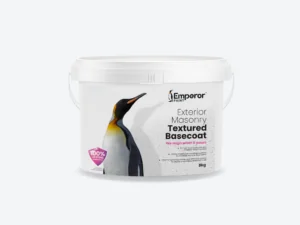
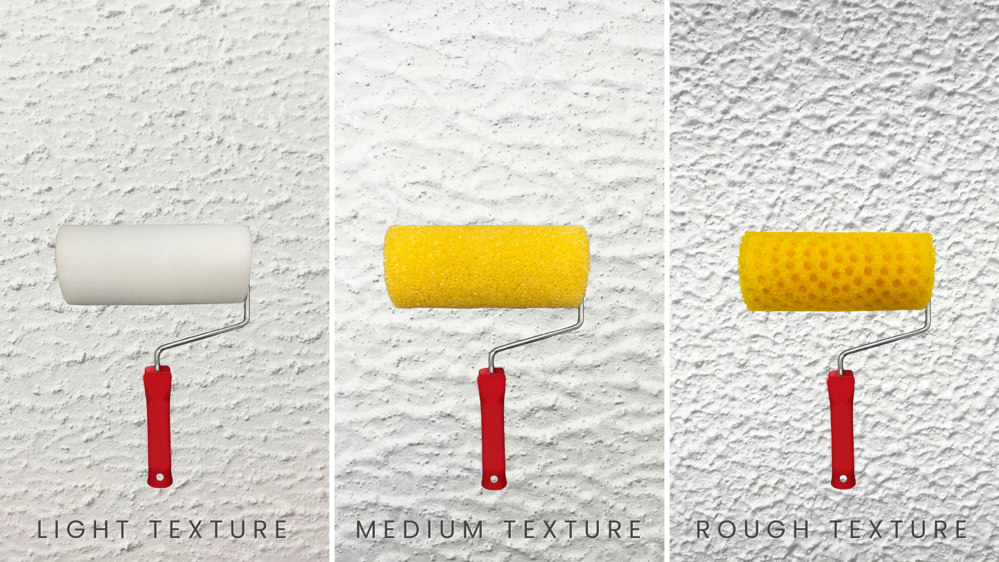
Masonry paint is available in smooth or textured finishes. Textured options are becoming less common, which is why we created Emperor Textured Basecoat. It allows you to create light to heavy textures using rollers or brushes, while still keeping the wall highly breathable.
What finish does masonry paint leave?
Most masonry paints have a matt finish, giving exterior walls a modern, low-sheen look. Emperor Masonry Paint is a durable matt finish that keeps surfaces clean and contemporary.
If you have more questions, we are here to help with our in-house team of experts. You can chat to them by emailing [email protected] or by giving them a ring on 01254 936121.
Ready to start? Take our handy quiz to get personalised recommendations and find the right products for your project in a few clicks.
Featured products