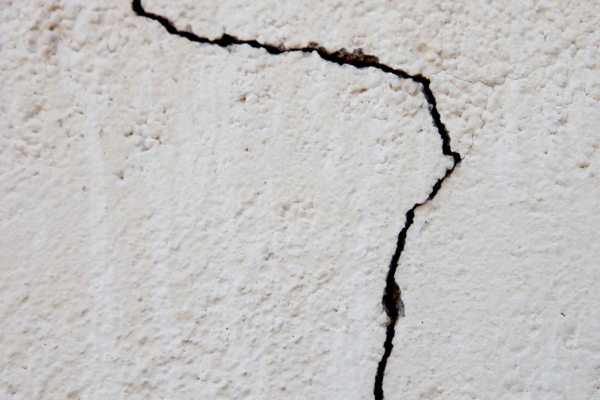

How To Restore & Clean Bricks Outside
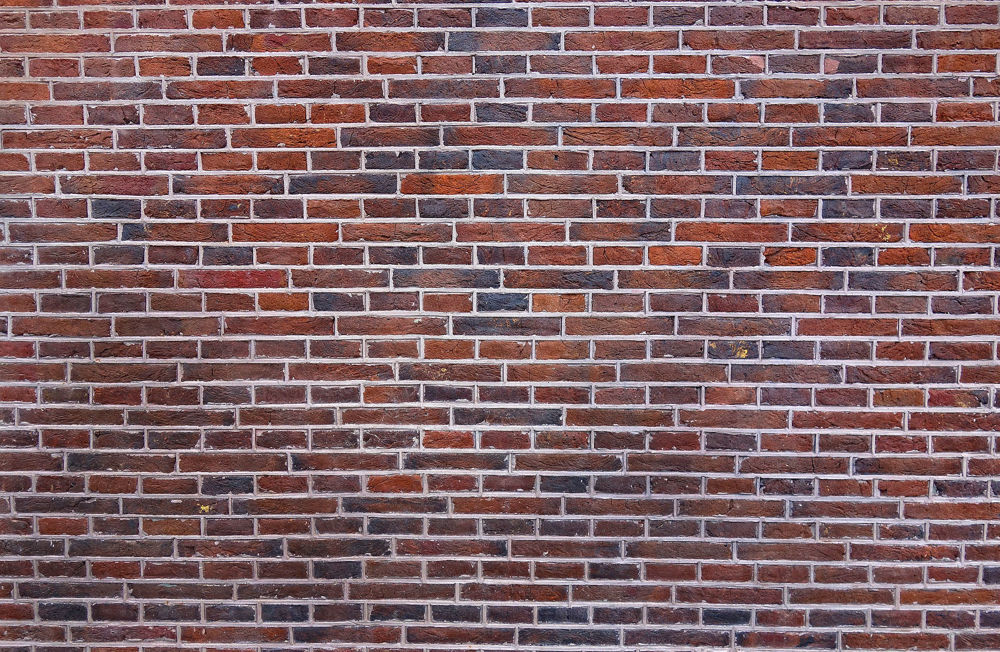
A natural brickwork exterior gives a home beautiful character, but constant exposure to rain, dirt and pollutants can take a toll on both its appearance and performance.
In this guide we cover everything you need to know about restoring and cleaning your brickwork safely, including how to deal with issues such as organic growth and the steps you can take to protect your brickwork so it stays looking its best for years to come.
The Common Problems Affecting Bricks
Constant exposure to the weather has an impact on all building materials and bricks are no different. Despite what many think, exterior bricks are porous, meaning they absorb moisture. While this is natural, moisture is usually at the centre of a number of problems that exterior walls face, like damp, cracks, discolouration and even increased heat loss. Knowing what’s happening behind the surface helps you choose the right approach to cleaning or restoring the wall.
DAMP
When masonry absorbs moisture, this can travel through the exterior wall through a process called ‘capillary movement’. If enough moisture travels through, this becomes penetrating damp, one of the most common forms of damp in the UK today.
This is particularly common with solid wall properties, as these have one singular thick wall which joins the external wall with the internal wall. Once water enters the outer side, it simply soaks through to the inside.
To help prevent this, properties since the 1920’s are constructed with a cavity wall, which is built with two walls with a gap in the middle to prevent water from soaking straight through into the house.
Unfortunately, the introduction of cavity wall insulation caused these problems to happen to cavity wall properties when insulation was poorly fitted. This can also happen if the cavity is blocked with debris, often when constructed.
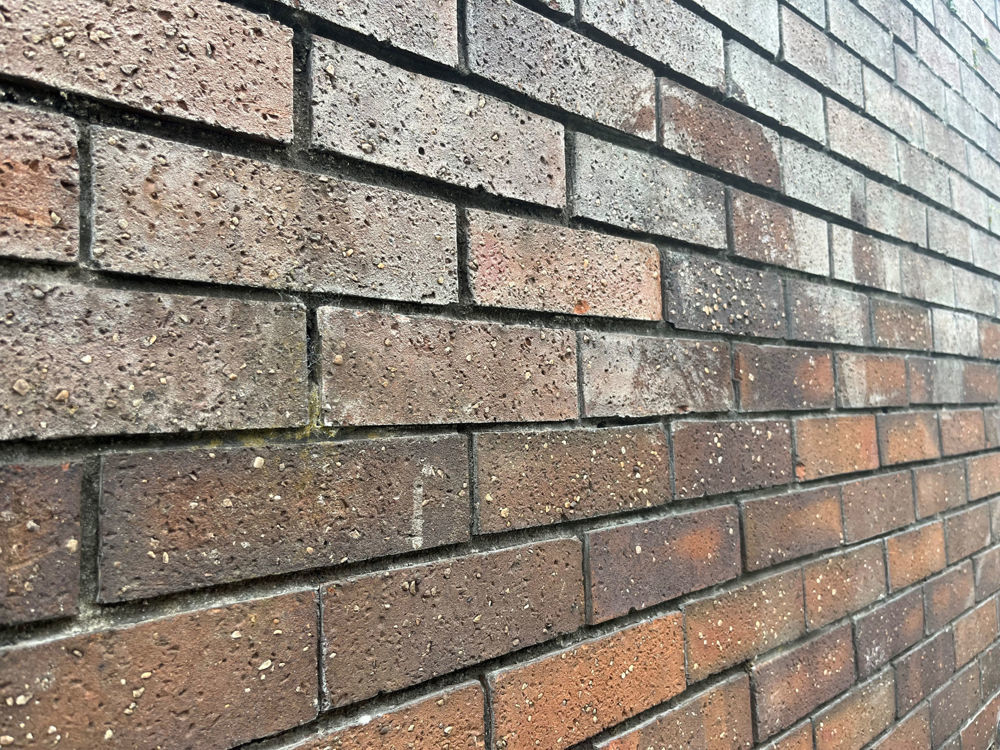
DAMAGE
Moisture sat within brickwork doesn’t stay still. It can undergo a ‘freeze-thaw cycle’ when temperatures drop below freezing that causes it to expand and which leads to movement within the wall. Eventually, this causes small cracks to open up which allows more moisture to enter the wall and thus creates a continuous cycle of damage. Over time this can also lead to spalling bricks, when the brick face crumbles away due to it weakening.
Prolonged dampness can also soften mortar joints, reduces the stability of the surface and raises the risk of deeper cracks opening, paint peeling and the surface breaking down.

DISCOLOURATION
Moisture affects more than just how your exterior walls perform, it also changes how it looks. Aside from the wear and tear to the bricks that cracking will cause, moisture also creates the ideal conditions for organic growth to develop.
Like all fungal growth, moss, algae and lichens all thrive in highly moist conditions. Once the exterior bricks absorb moisture after rainfall, they allow algae, lichens and moss to develop.
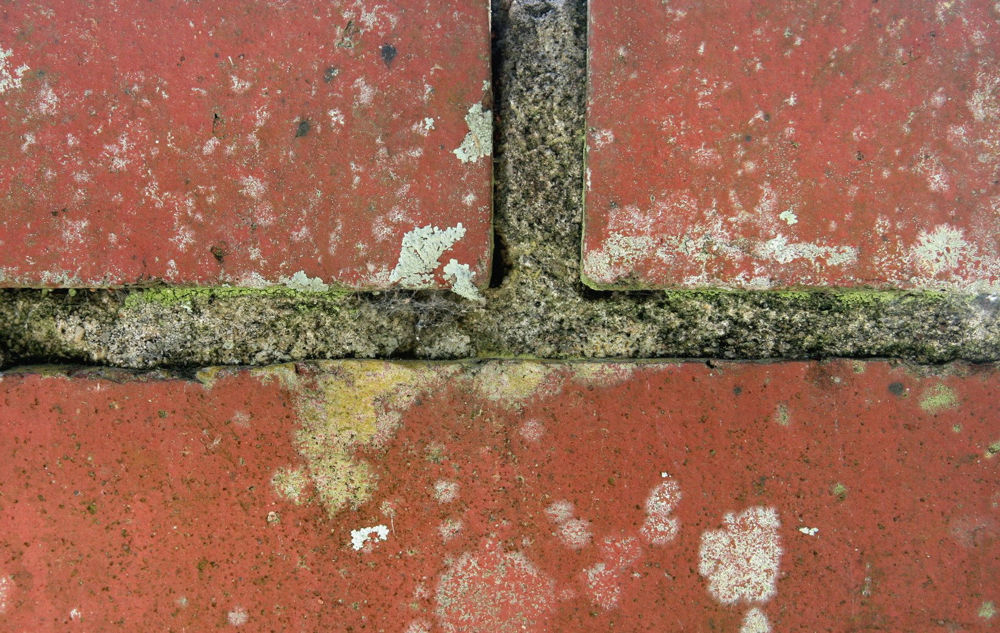
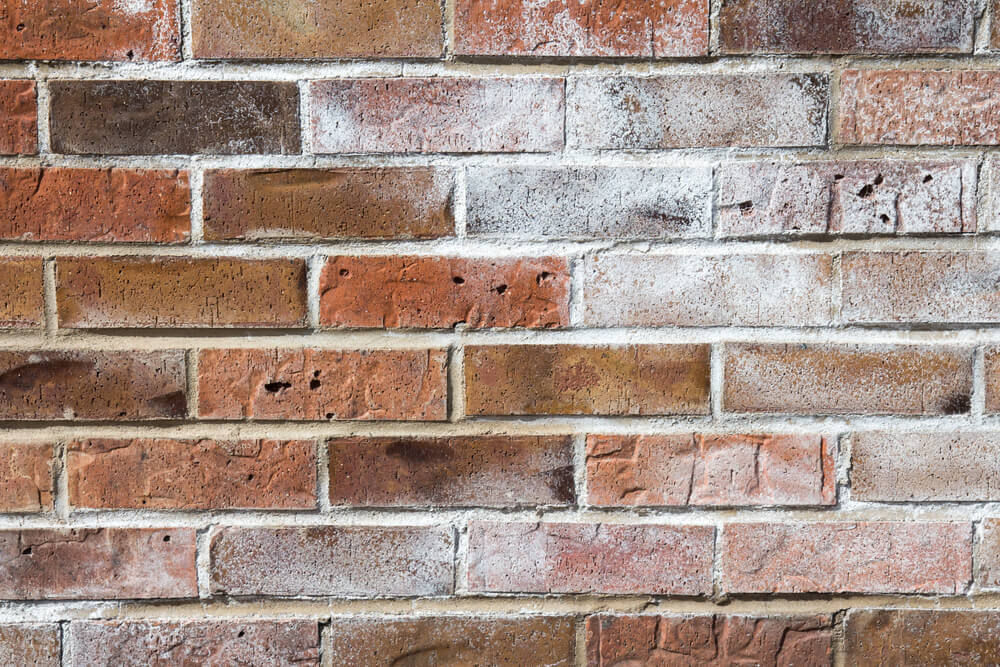
Discolouration can also come in the form of salt efflorescence, which is an all-too-common problem when it comes to exterior masonry walls.
This appears in a white, powdery deposit that is left on brick, stone or concrete walls, caused when moisture dissolves the salts within the mineral surface.
When the water evaporates, this salt is deposited on the surface of the brick, leaving staining on the wall. Although not a structural issue, it is an indicator that your exterior walls are saturated.
HEAT LOSS
The last thing you may think about when dealing with wet exterior walls is heat loss, but it has a real impact day-to-day for your home.
When bricks hold moisture, they transfer heat much quicker than dry bricks. In fact, damp content of 5% can lower the insulating properties of a material by as much as 50%.
With around a third of heat in your home being lost through the walls (Energy Saving Trust), wet walls makes the full house harder to heat and increases your energy bills.
How To Restore Bricks
If your brickwork has started looking less than its best then the first place to start is by repairing and restoring them where needed.
Fixing early issues helps stop moisture from travelling deeper into the wall and gives you a stable base to clean the bricks or protect them against future damage.
When it comes to restoring brickwork, this can vary from house to house depending on the condition of the masonry, but most repairs involve dealing with cracks, holes or loose mortar. Small repairs are straightforward and help prevent bigger problems later.
What to use and how to carry out the repair depends on whether the bricks will stay natural and visible, or whether you are painting them afterwards. If the bricks will stay natural, choose products that match the existing colour as closely as possible. If you plan to paint the bricks, focus on smooth, sound repairs that give good adhesion.
- Check the wall for cracks, holes or any areas that could allow rain to enter.
- Look for signs of bigger problems such as stepped cracks, as it is often recommended to seek professional advice before any cosmetic repair.
- Brush out any loose material from areas you are planning to repair.
- Use a good-quality exterior filler to fill minor defects such as cracks and holes. Once dry, sand the repair so it blends with the surrounding brickwork.
- For older or softer bricks, use a suitable mortar (such as lime-based) rather than a hard cement mix, when repairing pointing.
- Assess any bricks with damage to the faces – these can be repaired but signs of damage can indicate extra protection is needed.
Learn more: How to prepare cracked walls
How To Clean Bricks
Due to the fact that brickwork is porous, more often than not it will have gathered dirt and grime over the years, meaning often a simple clean can make a noticeable difference.
In most cases, exterior brickwork only needs a gentle clean to lift dirt and growth.
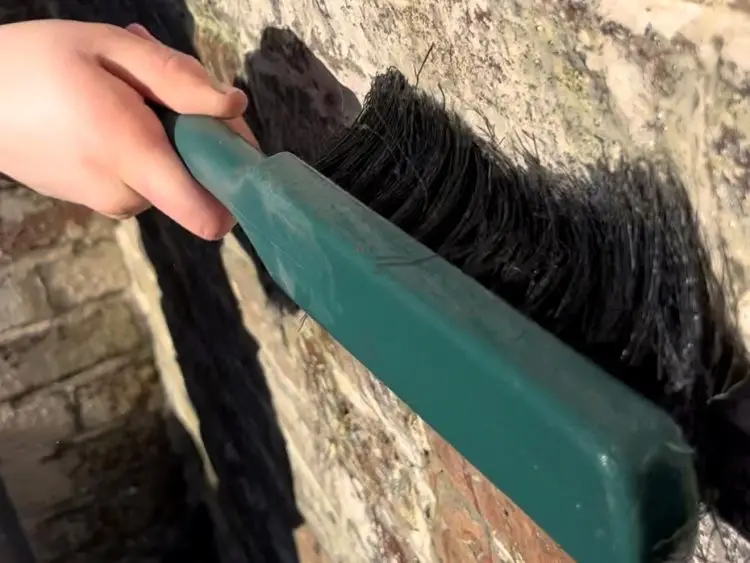
- Remove loose dirt, dust or grime with a stiff brush or a pressure washer on a low setting.
- If you see white, powdery efflorescence, remove this while the wall is dry. This avoids the salts being dissolved back on to the surface.
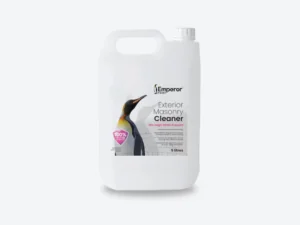
- Apply a fungicidal cleaner like Emperor Exterior Cleaner to the wall, which kills organic growth and helps prevent it growing back.
- Rinse the wall thoroughly with clean water to remove any residue.
If you’re cleaning previously painted bricks ready to repaint, make sure the old paint is sound by removing any loose or flaking areas with a scraper or wire brush.
How To Protect Bricks
Once you have put the time into restoring and cleaning brickwork back to its former glory, the last thing you want is for it to gather dirt or become damaged again.
As we’ve already mentioned, the primary cause of damage, damp and discolouration is moisture. By significantly reducing the level of moisture, you help stop these problems from developing again and give the bricks a better chance of staying dry and stable in the long run. This step is optional, but it helps prevent the problems caused by moisture in the long-run.
There are several options available that are designed to provide brick with added protection. Before choosing a product, it’s important to pick something that is highly breathable. Products like brick sealers create a plastic film that keep rain out, but also traps moisture inside the wall. This leads to damp and significant damage, which is why sealers often cause more problems than they solve.
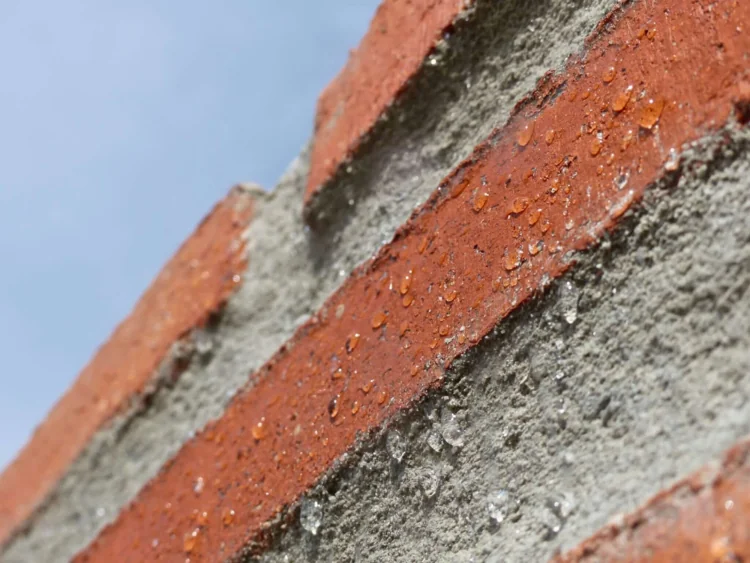
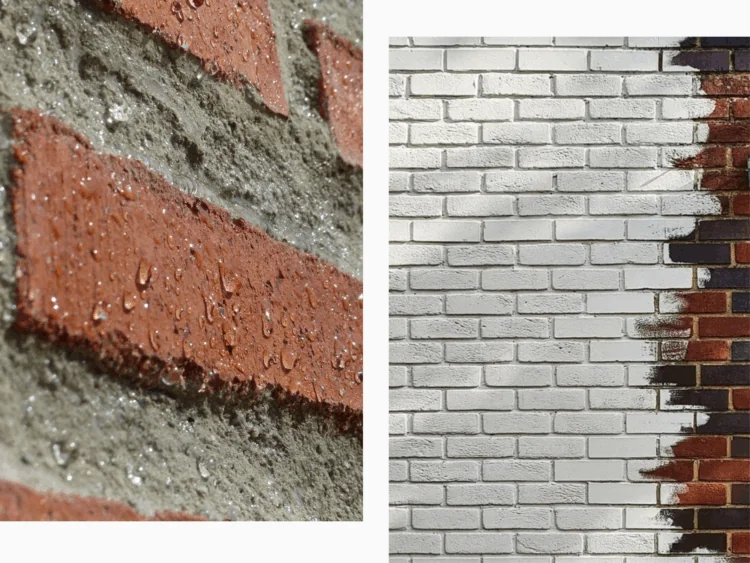
A highly breathable treatment like Emperor Masonry Creme absorbs into the brick instead of sitting on the surface, giving the wall super hydrophobic properties that repels rain, while allowing the bricks to naturally breathe. By becoming part of the brick, it doesn’t change the appearance in any way.
If you plan to paint your bricks after repairing them, Emperor Masonry Paint offers another way to protect the wall. It uses the same super hydrophobic, highly breathable technology, but in a coloured finish.
Both options help keep the wall dry, which reduces the moisture that leads to staining, growth and damage. The super hydrophobic properties also create a natural self-cleaning surface, as rainwater lifts dirt and washes it away. Independent testing by UKAS accredited laboratory showed both perform for 25 years with no change in appearance or performance and come with a lifetime guarantee.
Learn more: How a self-cleaning surface works
Before applying anything to the wall, there are a few things to ensure.
- Check that all repairs are fully dry.
- Make sure the brickwork is clean and free from residue after washing.
- Allow the wall to dry completely.
- Cover nearby areas with dustsheets and protect surrounding windows and fittings.
The application process depends on which product you are applying, but much of the same concepts apply.
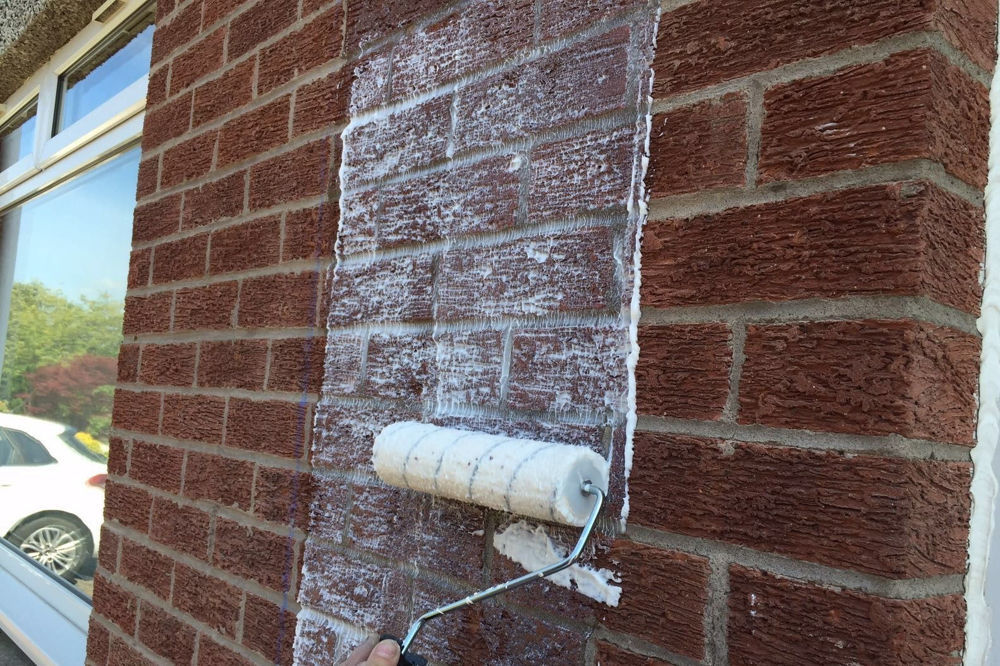
- Use a long-pile roller to apply evenly – this is designed for rough surfaces like bricks.
- Apply one coat of Emperor Masonry Creme to the wall, so most of the brick is white and allow it to soak in over 2-3 hours.
- If using a masonry paint, apply a primer to bare, unpainted bricks, followed by two coats of paint.
Frequently Asked Questions
What is the best thing to clean bricks with?
For most exterior brickwork, a stiff brush and warm, soapy water is enough to clean the surface. A pressure washer is also an effective option, but make sure you use a low pressure to avoid damaging the wall.
For deeper cleaning, fungicidal cleaners are effective at removing organic growth.
Does white vinegar clean bricks?
Vinegar can dissolve certain residues and can help clean efflorescence from bricks, but generally there are more effective ways to clean bricks that don’t weaken mortar from the acidity.
What can you put on brick to make it look new again?
In most cases, cleaning bricks is enough to completely refresh the appearance. If the brickwork is more weathered, repairing any cracks or repointing the surface can help restore the original look.
Not sure what your walls need? Start with our quick wall health check to get personalised advice for your home. If you want to talk things through, our team is always happy to help at [email protected] or 01254 936121, or get started by ordering your sample.
This article was written by the Emperor Technical Team, a group of experts with an average of over 25 years experience in the building industry. They work daily with homeowners, tradespeople and specification professionals to deliver practical, expert guidance that promotes long-term results, supports wall health and helps create homes that are prepared for the future.
FEATURED PRODUCTS IN THIS GUIDE