
How To Prevent Water Coming Through Walls
As a homeowner, one of the most worrying problems you can face is water coming through your walls.
If you’ve spotted damp patches, bubbling paint or mould growth, you’re not alone. More than 900,000 homes suffer from damp or mould in England.
In this guide, the Emperor Technical Team explains:
- How to tell whether damp is caused by internal or external moisture
- The difference between condensation, rising damp and penetrating damp
- The most effective long-term solutions to stop water entering your walls
Why Is Water Coming Through My Walls?
When it comes to any problem associated with damp or moisture, there is never a clear-cut answer to all situations.
Water coming through walls can look and feel the same on the surface, but the cause often isn’t. Finding the source is the most important step, so you don’t waste your time or money treating the wrong thing.
Moisture on interior walls has two possible sources, an internal source or external source. Identifying which one is responsible for the moisture will tell you what action to take.
To make things simple, let’s look at both types and how to identify which one you’re dealing with.
Internal Sources of Moisture
Often it’s easy to assume water on your walls is coming from outside, but it could be caused by something inside your home. Internal moisture problems tend to affect small, localised areas and usually aren’t impacted by weather.
Leaking pipes
A slow leak from a pipe or fitting inside the wall can leave damp patches that can look similar to an external form of damp.
These often appear on internal walls near radiators or in bathrooms and kitchens where pipes run.
- Appear on internal partitions walls, not just walls that join to external walls.
- Stay wet regardless of the weather.
- May appear on ceilings, not just those connected to external walls.
Condensation
Everyday living in our homes from things like showering and cooking causes humidity within the house.
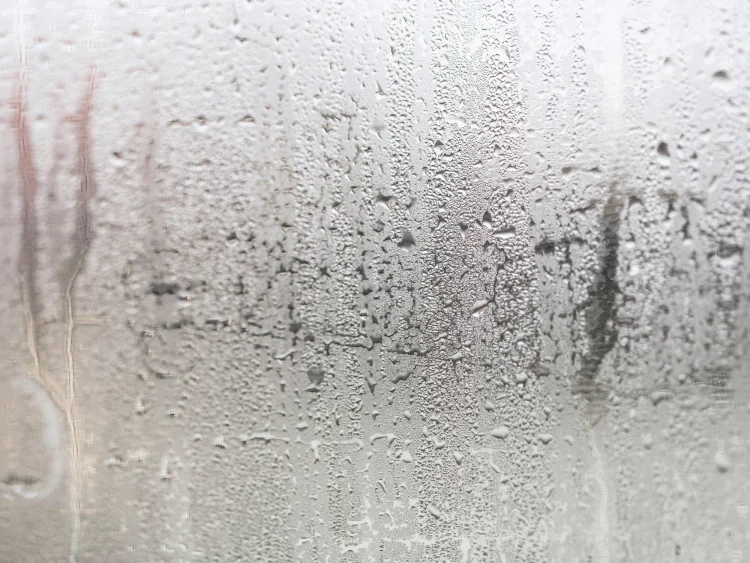
When this meets a cold surface like a wall or window, the temperature change causes it to turn into liquid droplets.
Condensation is most common in winter when heating is on and windows stay closed, leading to more humidity and poorer ventilation.
- Gathers behind furniture where there is poor ventilation.
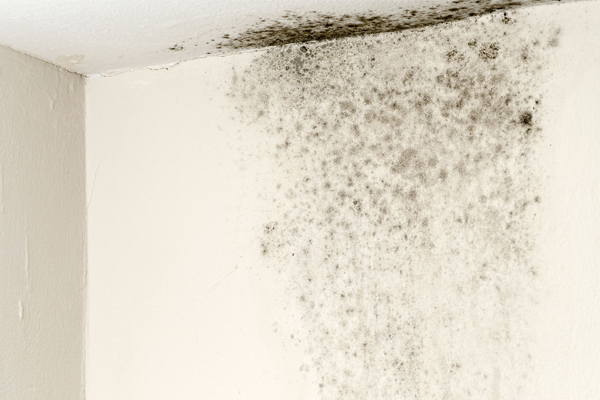
- Leads to black mould or mildew in corners.
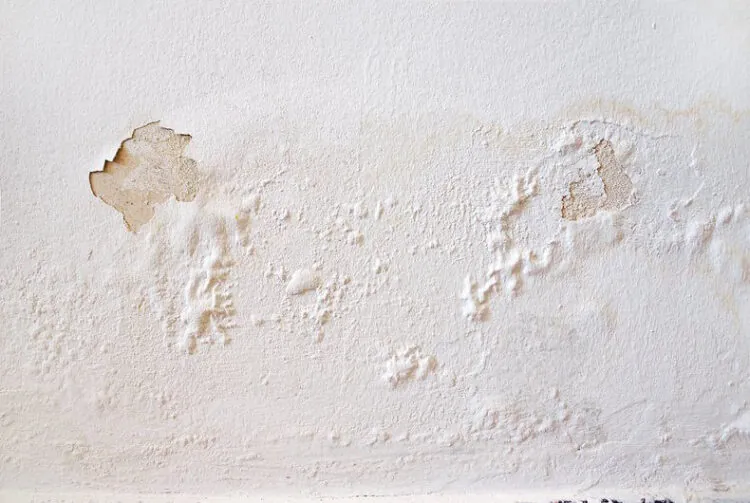
- Results in peeling paint or bubbling wallpaper, which is often a sign of repeated soaking, rather than a leak.
- Worsens in winter.
- Most prominent in bathrooms or kitchens where there is high humidity.
External Sources of Moisture
With the UK experiencing wetter, more intense rainfall, homes are exposed to high levels of moisture than ever before. The UK also has the oldest housing stock in Europe, according to leading building authority BRE. This combines to create homes that are particularly vulnerable to damp and mould problems.
Water entering the walls externally is caused by one of two types of damp; rising damp and penetrating damp. Identifying which one is causing the issue is the first step to fixing it.
Rising Damp
Rising damp is one of the lesser-known forms of damp that our homes can experience.
As the name would suggest, it’s caused when moisture rises up through the ground and into the bottom level of a property.
The moisture travels upwards through a process called ‘capillary action’, sucking the ground water up through the walls and gradually rising. This is a relatively rare form of damp due to the existence on most homes of a damp proof course (DPC), which creates a water-resistant barrier to prevent this transfer of moisture. This means it is often misdiagnosed instead of issues like condensation or penetrating damp.
If a property is suffering from rising damp, this is a direct result of either there not being a DPC or the current DPC failing and requiring repairs.
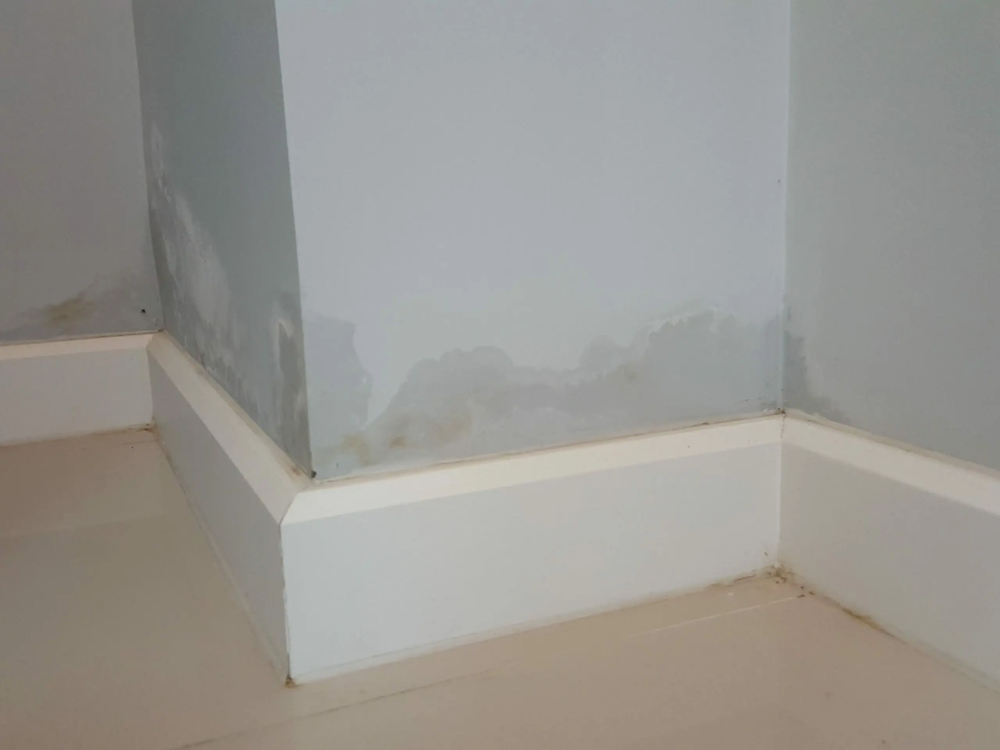
- Damp patches start at the very bottom of the wall and rise up usually no further than 1 metre.
- Skirting boards or plaster show signs of damage near the floor.
- Check if the DPC is covered by raised soil, gravel or paving.
- Look for signs of damage on the exterior wall, particularly at the base.
Penetrating Damp
Penetrating damp is the most common form of damp, caused when rainwater soaks into the outside wall of your home and travels through to the inside wall.
Despite what many homeowners think, exterior walls are porous, whether they’re brick, stone or render.
This means that they will absorb moisture over time, especially during the winter months with heavy rainfall. The more porous the material, the more moisture it will absorb and hold.
This type of damp can affect both new and old homes, though older, poorly maintained walls are more vulnerable. Government housing surveys show nearly a third of English homes have solid walls with no cavity, meaning moisture can travel directly through into interior walls. Without that barrier, moisture can travel straight into internal walls, making solid wall homes especially prone to penetrating damp.
Rain can enter an exterior wall in a number of ways:
- Through bare or painted walls – most masonry is porous to some degree and gradually becomes saturated. This is made worse when low breathability paints are applied, which can trap moisture.
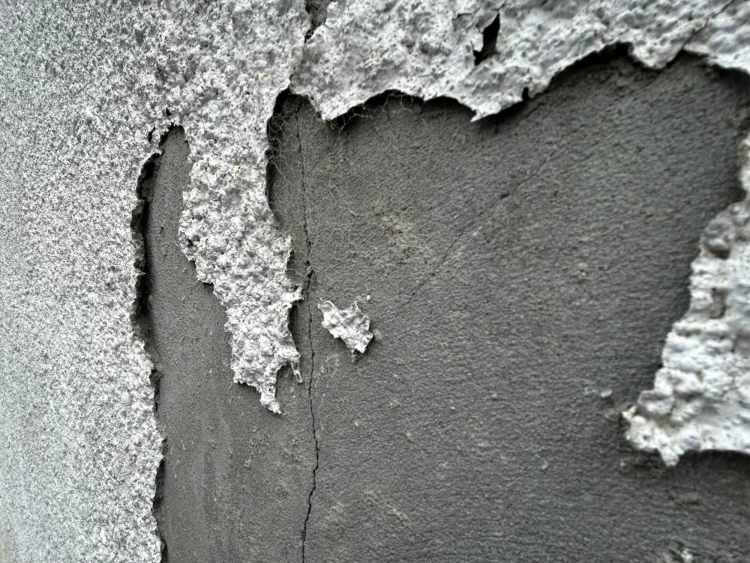
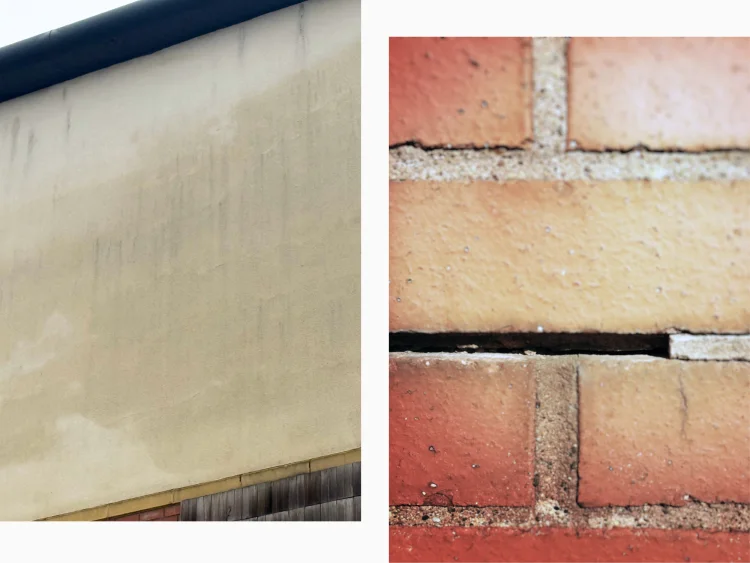
- Through cracked or damaged exterior walls that let rain enter the wall directly.
- From leaking gutters or downpipes that soak the wall with a flow of water during rainfall.
Once water enters, it can worsen through what is known as a ‘freeze-thaw cycle’. In cold weather the moisture within the wall freezes, causing it to expand. This movement opens cracks that allow more water to enter, creating a cycle of damage.
Over time, the wall can hold more moisture than it releases, which is why penetrating damp slowly builds up and should be addressed with a long-term solution.
- Damp patches can appear at any height.
- Patches worsen after rain and take a long time to dry.
- Cracks or damage on the exterior walls line up with the damp area inside.
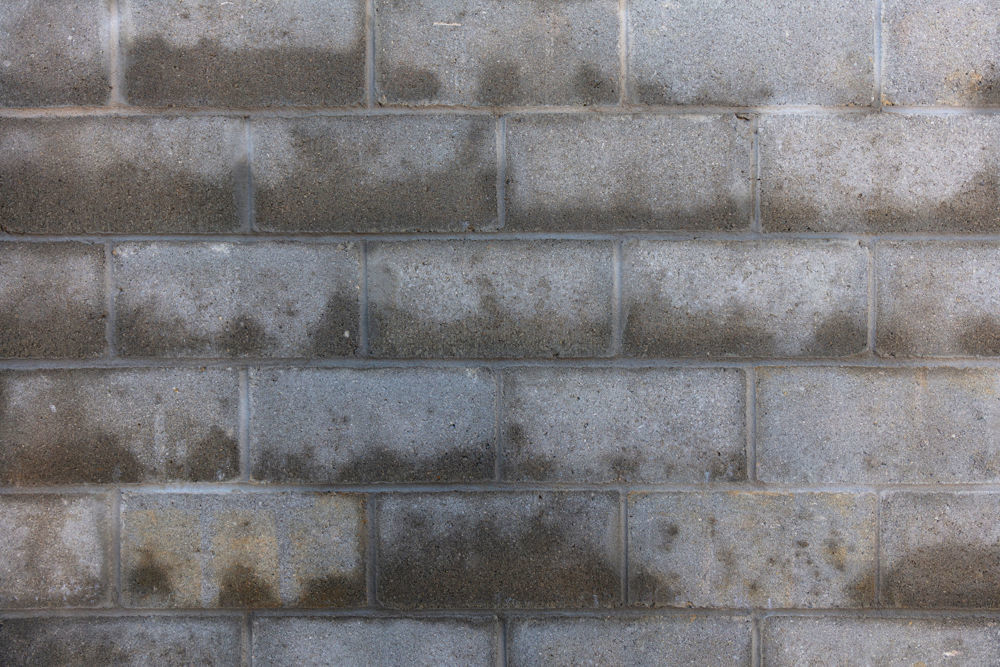
- Green algae, peeling paint or dark patches on the exterior wall can all indicate moisture is being held in the surface.
If you want to see how healthy your walls are, use our handy wall health check to spot issues early and keep your home stress free.
How To Stop Water Coming Through Walls
Once you’ve identified the source of the moisture, the next step is to take action to prevent it.
It’s important to know that sometimes damp problems aren’t caused by one single issue. Condensation and penetrating damp often occur together, one problem feeding another.
To solve the problem properly, you need to identify every possible source of moisture and treat them at source.
1. Address any internal moisture
Before looking outside, make sure the problem isn’t starting inside your home.
If damp patches stay wet regardless of the weather, this could point to either a leak or condensation.
A hidden leak within a wall or near a radiator often leaves a patch that never dries. Check if the damp patches are on areas around bathrooms, kitchens or internal partition walls where pipes run.
If the patch changes with the seasons, the cause is more likely condensation. You can often spot this by how and where the damage appears. Condensation tends to form on the surface of walls rather than within them, often in corners, near windows or behind furniture. Paint or wallpaper may bubble, but the plaster underneath usually remains relatively dry.
If you think condensation is the cause, start by helping your home naturally circulate air and release moisture. The aim is to reduce humidity and stop warm air turning into water on cold surfaces.
One of the most common misconceptions is in winter you should keep warm air in and the cold air out. In reality, cold air is much drier and letting some of it in each day helps reduce humidity.
- Open windows daily, even for a few minutes.
- Use extractor fans in kitchens or bathrooms.
- Avoid drying clothes indoors where possible.
- Move furniture away from walls to allow air to circulate.
- Wipe condensation from windows before it builds up.
Even if condensation isn’t the main cause of the damp you’re experiencing, these are good practices for any home to keep it dry and healthy.
2. Prevent any external moisture
If you’ve ruled out internal causes, or already addressed them, the next step is to look outside.
Start by checking the base of your walls to look for signs of rising damp. You should find that the DPC line is visible and at least 150mm above ground level.
Due to the technical nature of a DPC, if your property is suffering from rising damp we recommend that you seek advice from a damp proofing expert who will be able to implement or repair a DPC and prevent the soaking of moisture from the ground up into the walls of your property.
If you have identified that penetrating damp is causing water to come through the walls of your home, there are a number of steps that you can take yourself.
Start by inspecting and repairing any obvious potential sources of water ingress by looking for:
- Cracks or holes in render or brickwork.
- Damaged or missing pointing.
- Overflowing gutters or downpipes.
- Paint that is flaking and blistering in specific areas.
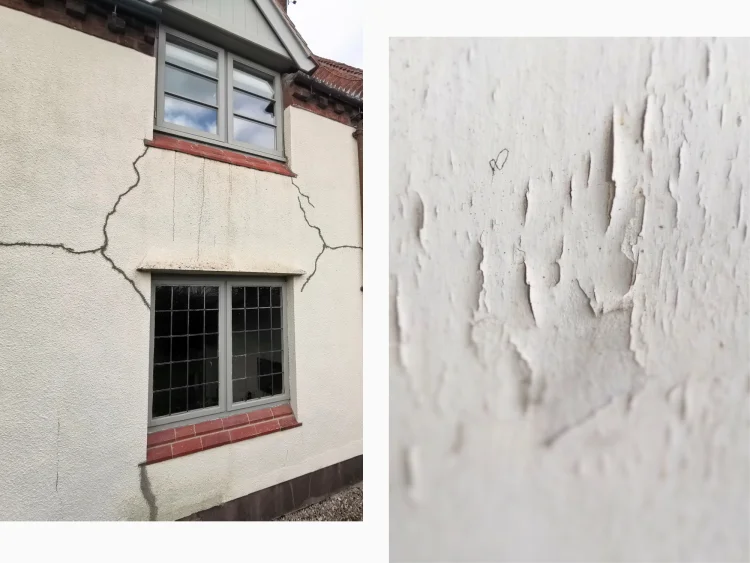
Once any repairs are made, the most effective way to prevent penetrating damp is to stop water soaking into the surface in the first place without trapping any that’s already inside.
Some masonry paints and sealers are designed to block water from the outside, but they can also reduce breathability. On the other hand, some coatings like limewash are highly breathable but still absorb water. This allows rain to soak into the walls and cause damp patches during wet weather.
The answer lies in a clever innovation called nano-technology. This creates a surface that repels water in its liquid form, while still allowing water vapour to naturally pass through as a gas.
This stops water getting in while still maintaining natural breathability. Emperor Masonry Paint and Emperor Masonry Creme are designed to do just that.
- They create a super hydrophobic surface that reduces water absorption by up to 96%
- They remain highly breathable (SD values below 0.03), so moisture can naturally escape.
- They have been proven to last 25 years without showing any signs in appearance or performance, which is why they are backed by a lifetime guarantee.
Learn more: The science that keeps your home dry

Frequently Asked Questions
How long will it take water to stop coming through walls?
After applying Emperor Masonry Paint or Emperor Masonry Creme, moisture will be prevented from entering the wall almost immediately once dry.
The walls will gradually begin to dry out over time, as rain is prevented from entering but water vapour can naturally escape.
How quick this process takes depends on the level of moisture, the type of build and material, but can generally take a few months.
How long should I wait to redecorate?
The moisture will visibly reduce over the coming weeks as the water vapour gradually releases the water out of the property.
We recommend allowing a number of months before redecorating inside your home after the water has stopped.
As the water vapour naturally dries out the wall, you can then paint the interior of the property as normal.
To be sure, you can use a moisture reader to find the moisture content of the wall before redecorating.
Can I apply a sealer and paint over the top to prevent water coming through the wall?
There are a few terms that you may be referring to by a ‘sealer’.
A sealer in any case is designed to help protect a surface from movement of moisture.
An exterior sealer is something you want to avoid using, as these have very low breathability. If you apply a sealer to an external wall, you can trap moisture inside the property, so while some water will stop coming through the wall, moisture from other areas will simply build up on the wall and cause damp problems.
An internal sealer is designed to help prevent any damp staining discolouring interior paint. The problem with an interior sealer is although they are effective in the short-term, they will eventually stop working with the constant flow of moisture that can be caused. They are designed to cover damp rather than solve this.
If you have suffered from a leak and have suffered from staining, applying an interior sealer can help prevent the discolouration once the leak has been fixed. If the root cause of the moisture is not addressed however, it is unlikely the interior sealer will prevent damp staining long-term.
Damp problems can be complex, but with the right approach and products, they’re fixable.
The reality is, many homes aren’t equipped to face the levels of rainfall we see today, and will likely see in the future. With changing weather patterns and ageing houses, keeping moisture out while letting walls breathe has never been more important.
If you have any questions or would like tailored advice specifically for your home, feel free to chat to us by emailing [email protected] or calling 01254 936121.
Ready to start? Take our handy quiz to get personalised recommendations and find the right products for your project in a few clicks.
This article was written by the Emperor Technical Team, a group of experts with an average of over 25 years experience in the building industry. They work daily with homeowners, tradespeople and specification professionals to deliver practical, expert guidance that promotes long-term results, supports wall health and helps create homes that are prepared for the future.