The Ultimate Guide To Shed Protection Using Shed Treatments
Ensuring any exterior surface is protected from the elements is crucial, but this is especially the case with outdoor wood like sheds, fencing, cladding and decking.
With one of the most common areas that homeowners experience problems with moisture being sheds, we have put together a guide to shed protection and shed treatments so you can ensure your shed stays clean, dry and protected.
In this guide we will cover:
What is shed protection important
What shed treatment is best for protecting sheds
How to apply shed treatments
Key takeaways
Sheds can absorb large amounts of moisture over time, which can lead to rot, algae and weathering.
Different shed treatments protect timber in different ways, so choosing the right product matters as much as applying it properly.
Protecting your shed with the right treatment helps to reduce problems that leaving your shed untreated can lead to.
Why Is Shed Protection Important?
Keeping outdoor garden furniture looking good despite the UK weather is essential. Exterior surfaces like wood, brick, concrete and stone are porous mineral materials, meaning they absorb water and can become saturated over time.
Wood is particularly vulnerable due to its high porosity. Untreated wood will absorb large amounts of water, making it prone to swelling, shrinking and rotting. Wet rot is caused by a fungus that thrives in damp conditions, gradually weakening the timber.
Moisture also affects appearance. Organic growth like moss, algae and mildew flourishes in wet conditions, while UV exposure can cause ‘silvering,’ bleaching the wood and reducing its aesthetic appeal. Applying a protective treatment is essential to maintain both the strength and beauty of exterior wood.
Applying a wood treatment protects sheds and other exterior timber from weathering, keeping them dry and looking their best. Without treatment, the wood’s lifespan is reduced, increasing the risk of damage over time.
What Shed Treatment Is Best For Protecting Sheds?
There are endless amounts of wood treatments available, which makes finding the right product difficult. To find out which product suits you, it’s important to understand the difference between the types of wood treatments. These include wood paint, wood stain, wood oil, wood waterproofer and wood preserver.
Coloured shed treatments
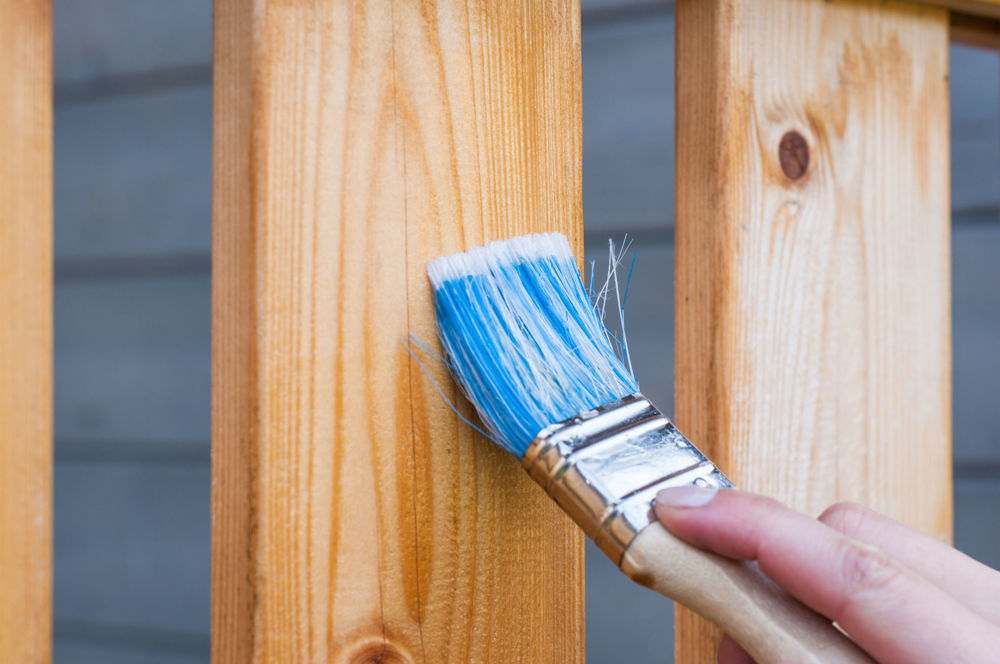
To change your shed’s colour, choose a wood paint or stain. Paint gives a solid, opaque finish, while stain is semi-transparent, showing the wood grain. Both offer some protection but aren’t fully waterproof, as moisture can still penetrate. Coloured treatments form a surface film, which may weather over time.
Previously painted or stained sheds must be treated with a similar product, as clear treatments generally require bare wood.
Clear shed treatments
If you want to keep your shed’s natural look, clear treatments include wood oils, wood preservers and wood waterproofers.
Wood oils nourish bare wood and enhance its appearance but usually need 2-3 coats and yearly reapplication. Wood preservers penetrate deeply to protect against insects, algae and rot, but are often oil-based and less breathable, with usually 2-3 coats required.
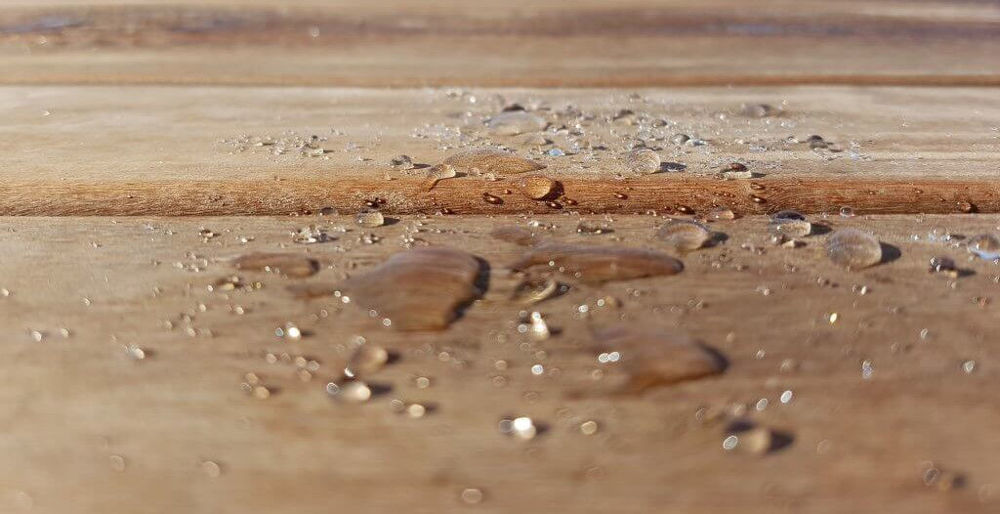
Wood waterproofers are water-based and designed to fully repel water. They chemically bond to the wood, reducing water absorption, rot, organic growth and discolouration. They usually take one coat and dry to a clear finish.
For maximum shed protection, a super hydrophobic treatment like Emperor Exterior Wood Waterproofer chemically bonds to the wood and lines its pores, repelling water while remaining highly breathable.
Unlike surface sealers, it doesn’t form a film, giving it exceptional durability in all weather. It’s proven to perform for up to 25 years, backed by a 10-year guarantee. By keeping wood dry, it helps prevent rot, algae, lichens and mildew, and its UV resistance protects against silvering caused by sunlight.
Exterior wood filler and filling knife (may be required)
1. Preparation
Preparation is the most important step when treating a shed. Without it, the finish and performance of the treatment can be compromised.
Clean the wood thoroughly using a pressure washer, or hot soapy water and a soft brush for lighter dirt. For weathered timber, lightly sand with 180-grit paper to remove ingrained dirt and expose fresh wood.
Use a fungicidal cleaner on wood exposed for 12 months or more to kill algae, mildew and other growth. Apply Emperor Exterior Cleaner to the wood using a brush, roller or pump-sprayer and leave it to dry for 2 hours.
Repair any wet rot by removing loose, damaged wood and filling with a colour-matched exterior wood filler. Finally, protect surrounding surfaces with dust sheets and masking to make clean-up easier and avoid overspray.
2. Applying shed treatment
Make sure that the wood is completely dry before applying the treatment to it, and check the weather to avoid rain while it dries.
Apply using a brush, roller or hand-pump sprayer. The clear liquid only needs one coat at 5m² per litre and dries in around 1 hour at 20°C (the colder it is the longer it will take). The beading effect appears fully after curing for a few days, but the wood is protected once touch-dry. One application provides long-lasting protection with no need for reapplication for over 25 years.
Frequently Asked Questions
Is Emperor Wood Waterproofer suitable for new or weathered wood?
The easiest way to treat rotting wood is to prevent it in the first place, however protecting weathered wood from further rot is crucial to prevent damage. Whether you are treating new or previously weathered wood, by reducing the risk of water ingress you help to reduce the damage it can experience and help to extend its lifespan.
Can I apply a wood waterproofer before painting?
Penetrating treatments such as oils, waxes and waterproofers must absorb into bare wood. Some can be overcoated, but you must check the product’s guidance first. Previously painted or stained sheds usually need a similar coating, as waterproofers won’t absorb through the paint.
What is the difference between water-based and oil-based shed treatments?
Water-based treatments dry faster, have low odour, lower VOCs and are more environmentally friendly. Oil-based treatments take longer to dry, often smell stronger, contain higher VOCs and are more tightly regulated due to their environmental impact.
We hope we have answered any questions you may have had regarding shed protection, using shed treatments and how to best apply them.
If you have any other questions, feel free to get in touch with our team of experts who are on hand to help. Contact them today by emailing [email protected] or calling them on 01254 936121.
Ready to start? Order Emperor Wood Waterproofer for your project and get free delivery on all orders.
This article was written by the Emperor Technical Team, a group of experts with an average of over 25 years experience in the building industry. They work daily with homeowners, tradespeople and specification professionals to deliver practical, expert guidance that promotes long-term results, supports wall health and helps create homes that are prepared for the future.



 Key takeaways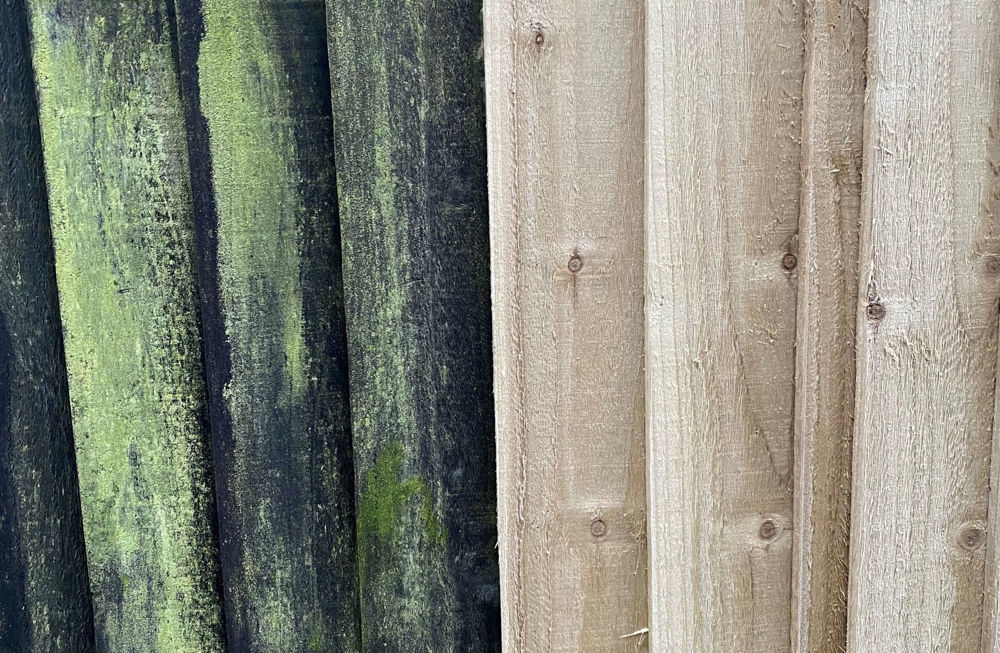
 Wood waterproofers are water-based and designed to fully repel water. They chemically bond to the wood, reducing water absorption, rot, organic growth and discolouration. They usually take one coat and dry to a clear finish.