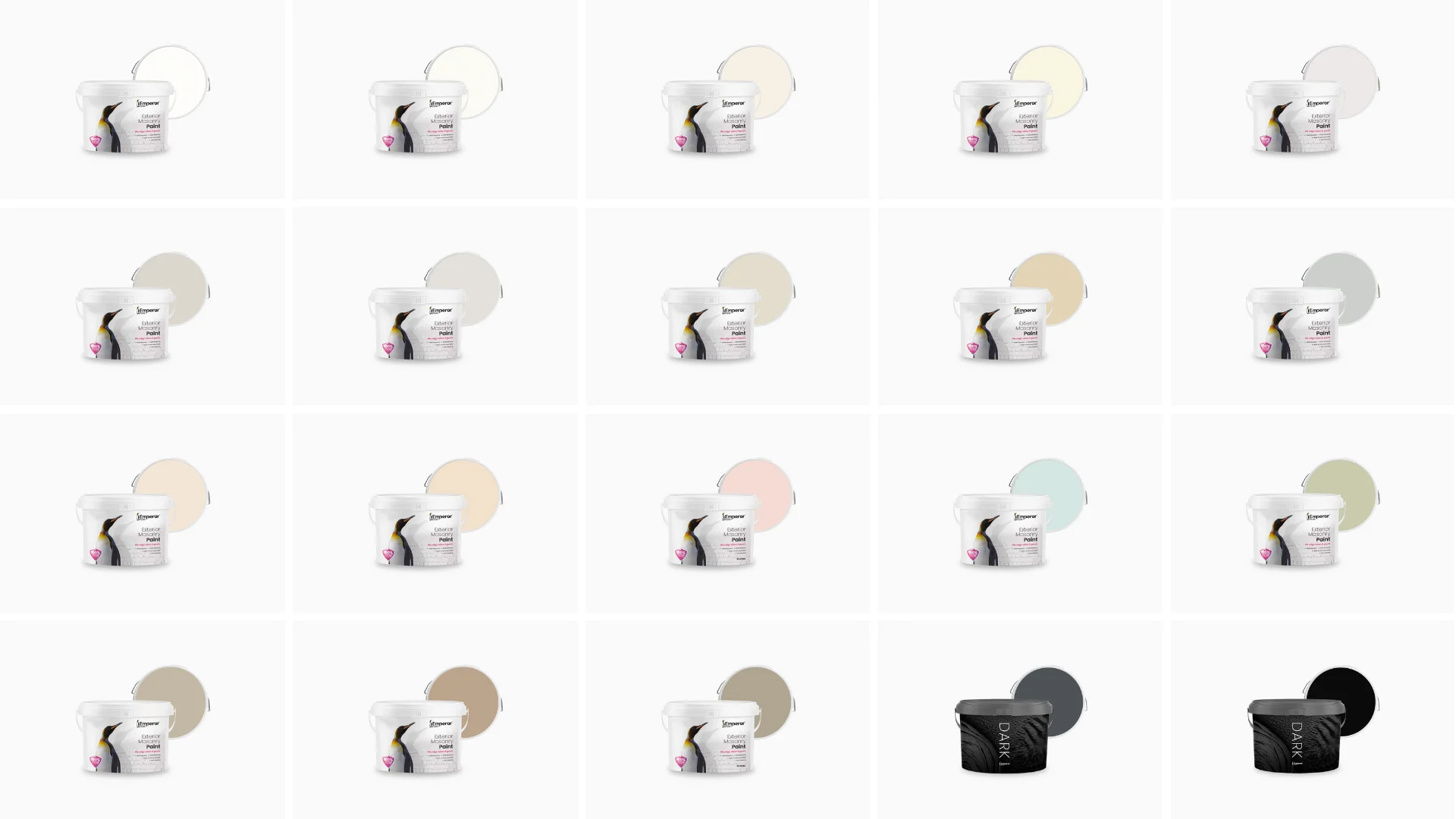

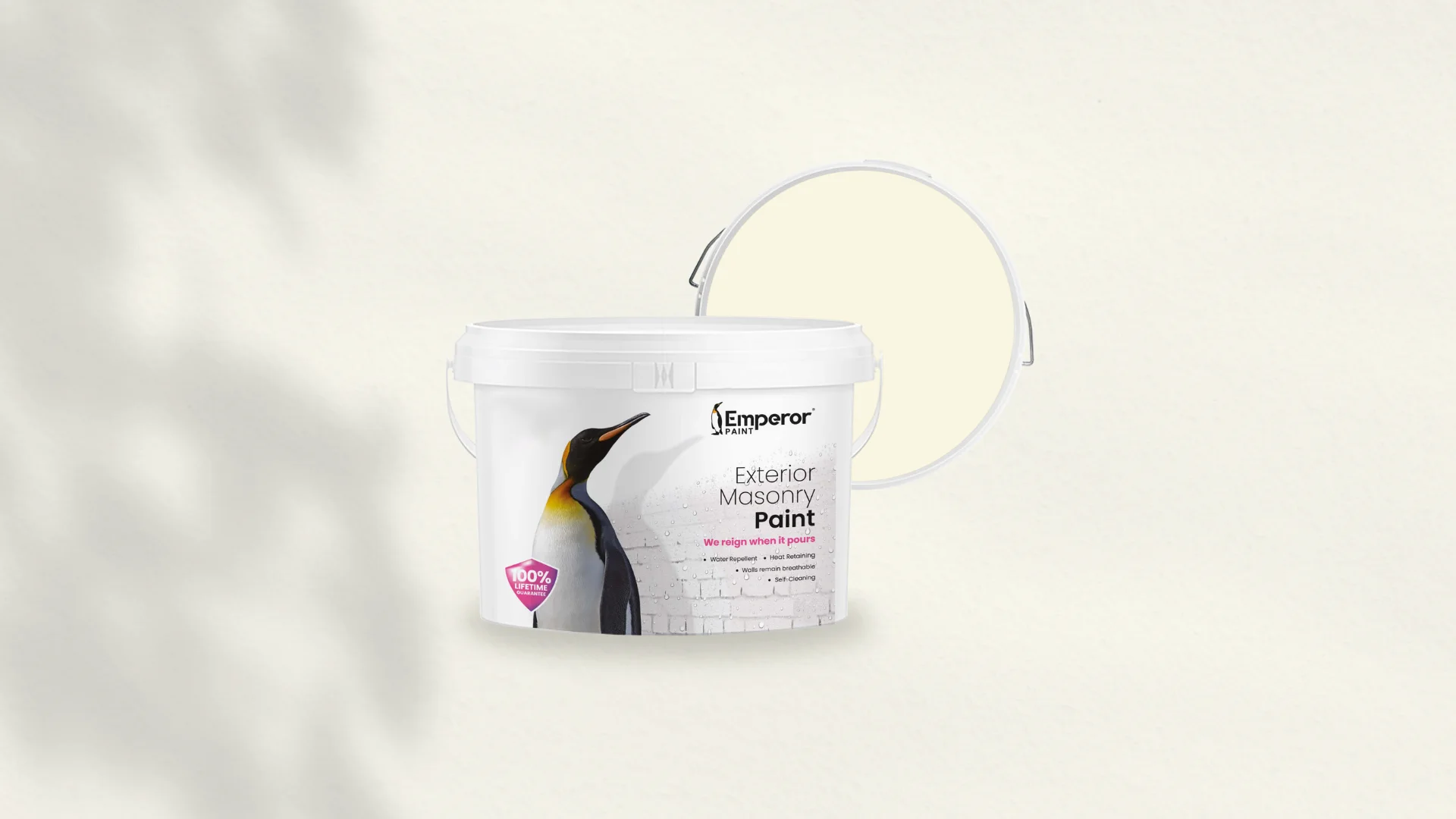
Witney Cream Masonry Paint
Shop by colour
RICH AND BUTTERY
Witney Cream
Witney Cream is often a go-to shade for homeowners looking for a warm, rich cream shade that brings depth for someone who doesn’t want a cold, clinical white, while still feeling crisp and welcoming all-year round.
Why choose this colour?
Colour Overview
- A timeless choice that will always stand the test of time
- The warm hue helps to create a golden glow in direct sunlight
- Softens your home against its backdrop to avoid a stark finish
- Has an ability to enhance both modern and traditional architecture
Ideal for: North-facing, South-facing, East-facing, West-facing
Complementary colours: Black, Anthracite Grey, White, Beige
Undertones: Yellow
Style: Works well on both modern and traditional homes
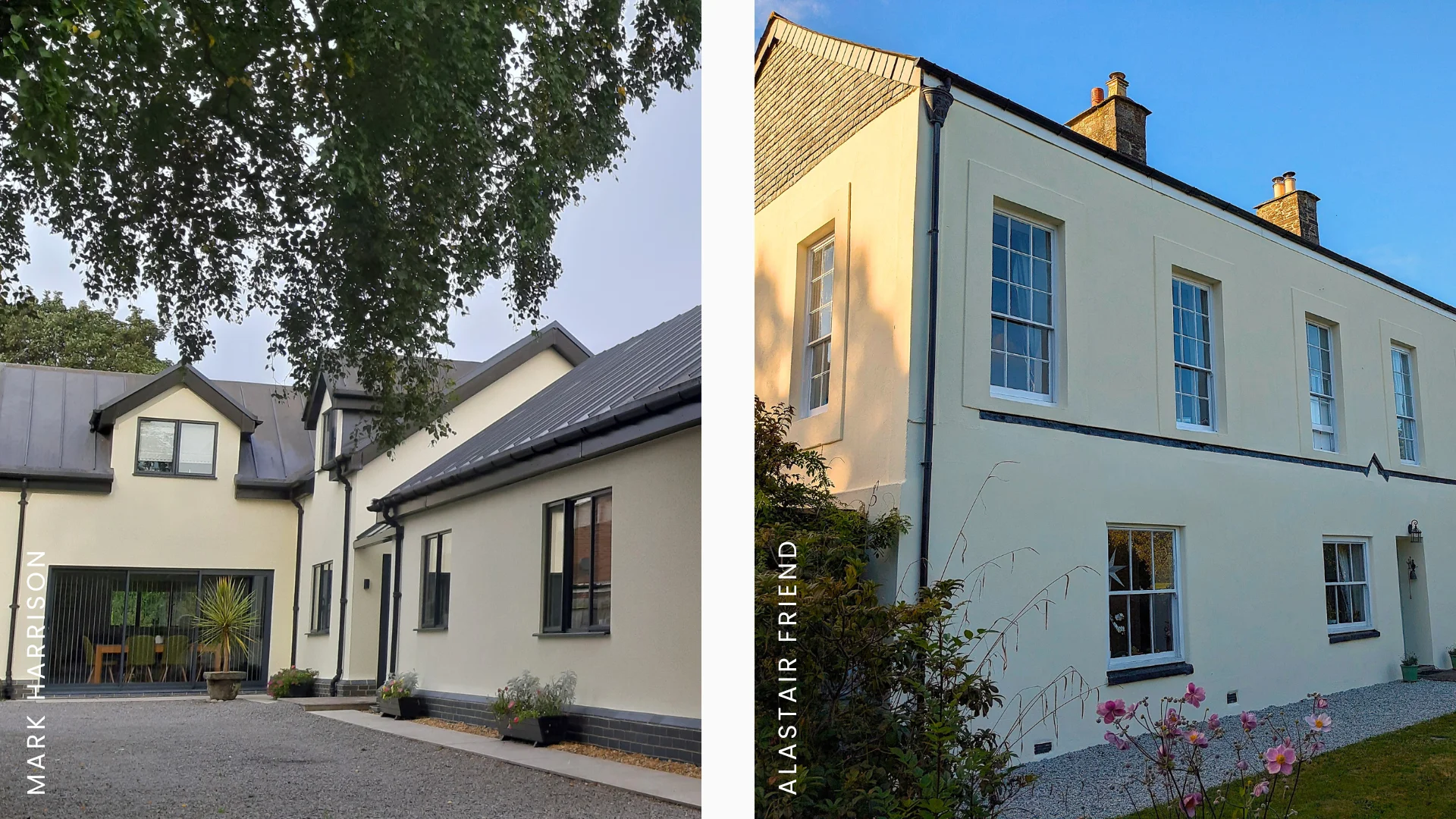
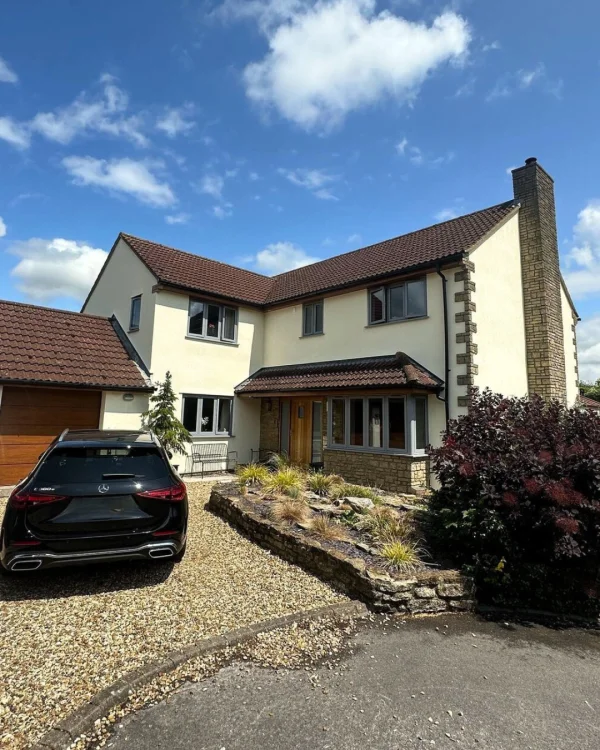
Projects using Witney Cream from our community

TLC Decorating
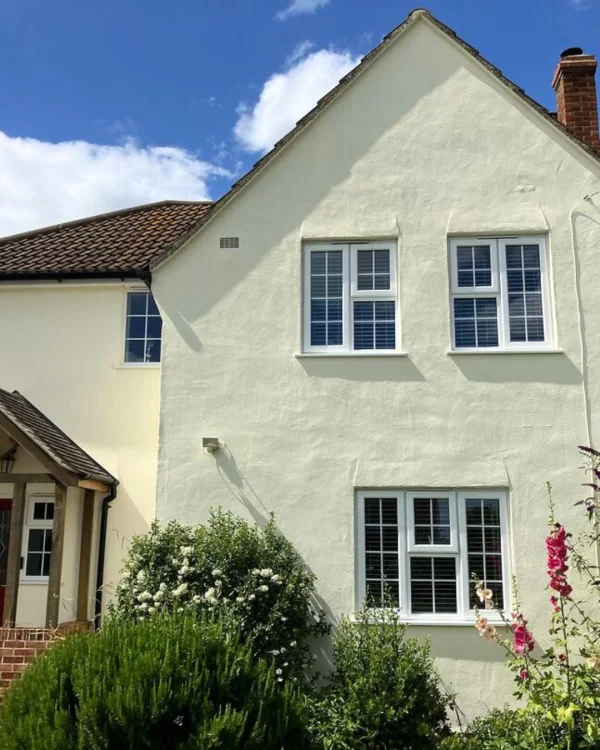
@lorkingjim
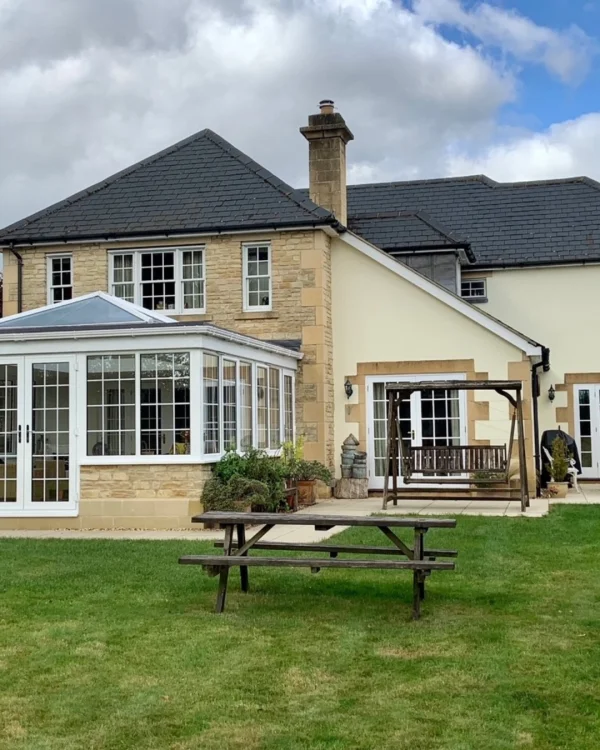
Nick Denning
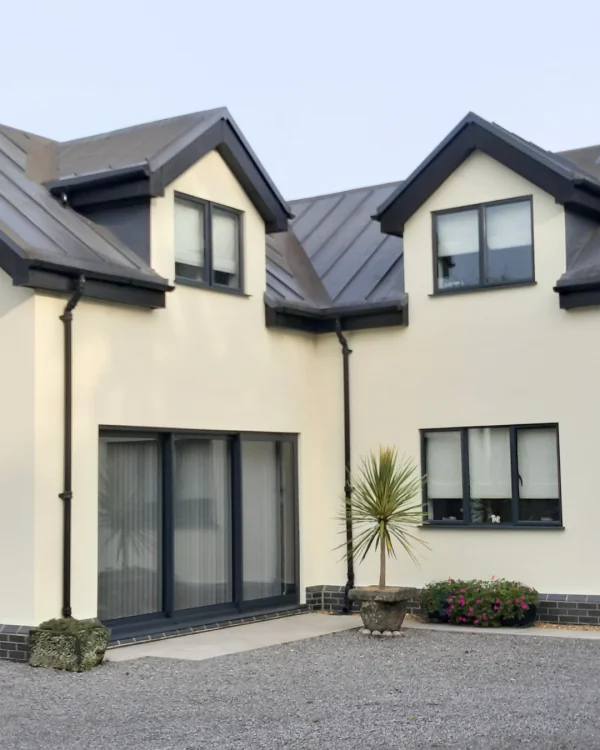
Mark Harrison

Finch & Sons External Coatings

Andy Cobley

Gordon O'Neil

Roseanne Wickett

Finch & Sons External Coatings

NJP Developments

Nicky & Noel Shipston
Insights from the experts
Expert insights
How to use Witney Cream
Witney Cream is a hugely versatile colour that can be effective on homes of any style, lighting or situation. The warm, buttery tone when used on Victorian, Edwardian or Georgian homes help to complement the architectural details by creating a neutral canvas to highlight these without competing with them. When used on modern rendered properties, Witney Cream offers a clean and refined look without looking clinical. It helps to soften the sharp edges while adding visual depth that can add a timeless quality to your home.

Expert insights
Colour Combinations
Although Witney Cream has a warm hue, it is a highly adaptable colour that can create the base for a number of perfectly balanced colour combinations. This is because it can pair beautifully with warm shades like Beige while being a fantastic contrast with cool shades like Anthracite Grey.
Our expert’s love Witney Cream when paired with Black, which is a classic colour combination that feels timeless and intentional. The softness and warmth of Witney Cream when married with the crisp, clean Black creates a visual contrast that feels balanced. If your looking for a deep, dark shade but want added complexity, Anthracite Grey is a great alternative which brings all of the depth of colour of black but with a blueish hint that brings the buttery tones of Witney Cream to life.

Frequently Asked Questions
Will Witney Cream get dirty quickly?
Despite being a lighter colour, thanks to our masonry paints’ super hydrophobic properties, dirt and algae are repelled from the painted surface and simply roll away with rainfall. This helps maintain the classic, cream look for years to come without losing its impact.
What types of home suit a cream masonry paint?
Witney Cream is one of our most popular shades and has been applied beautifully to all different house types and surroundings.
It’s often used on cottages, rural homes and Georgian terraces, but can also be used on a more modern home, making even the most contemporary of homes look timeless, inviting and warm.
How do cream masonry paint colours react to different lighting?
In bright light, cream colours appear buttery and warm. In shade, they retain the creaminess without becoming dull, which is why they are a hugely popular shade of colour for exterior walls no matter the lighting.
TAKE THE NEXT STEP
Order your Witney Cream sampleWhen choosing a colour to paint the outside of your home, you want to be confident you’ve made the right choice, especially when using a masonry paint that will last over 25 years like Emperor Masonry Paint.
The best way to test paint colours is with our hand-painted colour cards. These can be moved around to see a colour in different lights and times of day to see how the colour will look in practice.

Similar colours
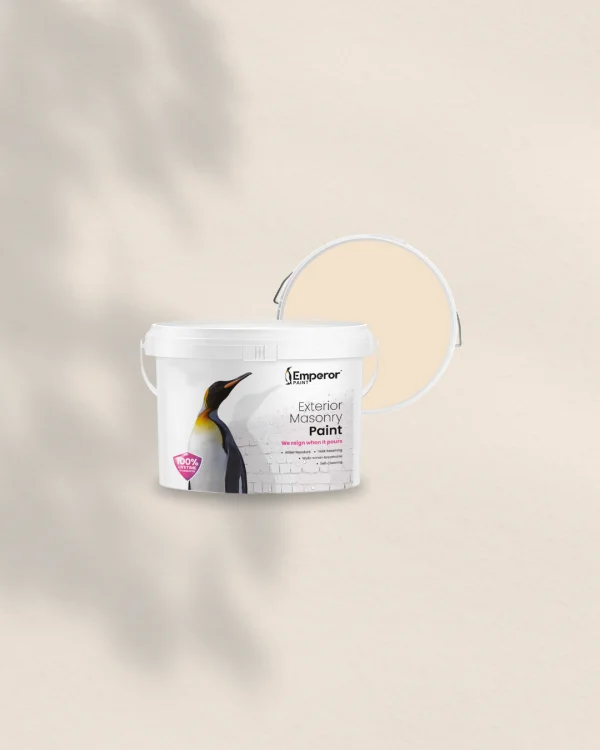
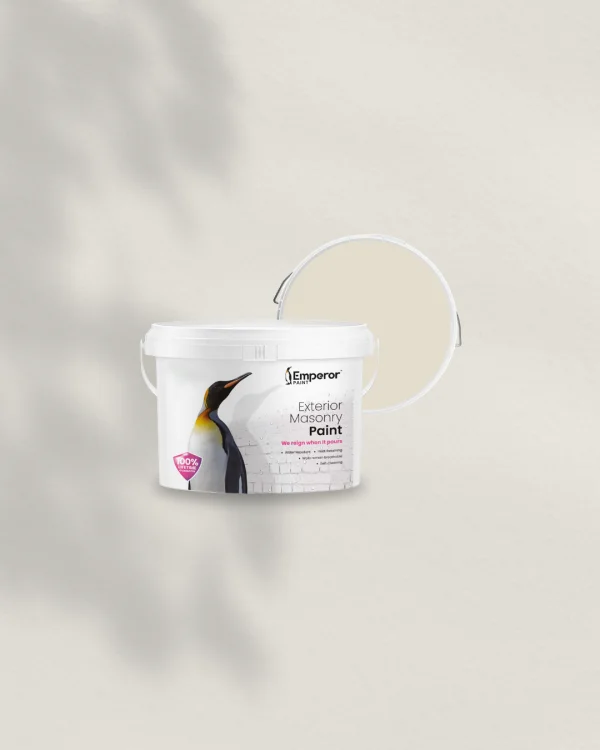
Magnolia
The iconic off-white shade. Magnolia is a light and soft cream with blush undertones, making it a hugely popular colour for those looking for an alternative to white.
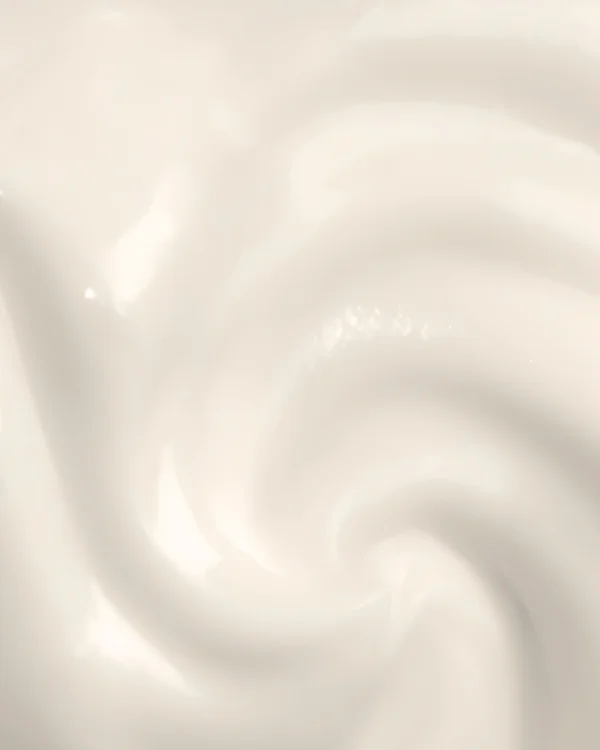
Pale Stone
Pale Stone is a beautiful soft neutral with a tiny hint of warm beige, creating a real sense of calm and comfort that is both modern and classic.
Browse all neutral shades
Shop all neutral shades in our standard colour range, including Pale Stone, Magnolia and Mushroom.
DISCOVER THE FULL RANGE
View all colours
Browse all 20 colours in our colour range, from light whites to rich neutrals and dark accent colours.