
Why You Should Never Seal Masonry
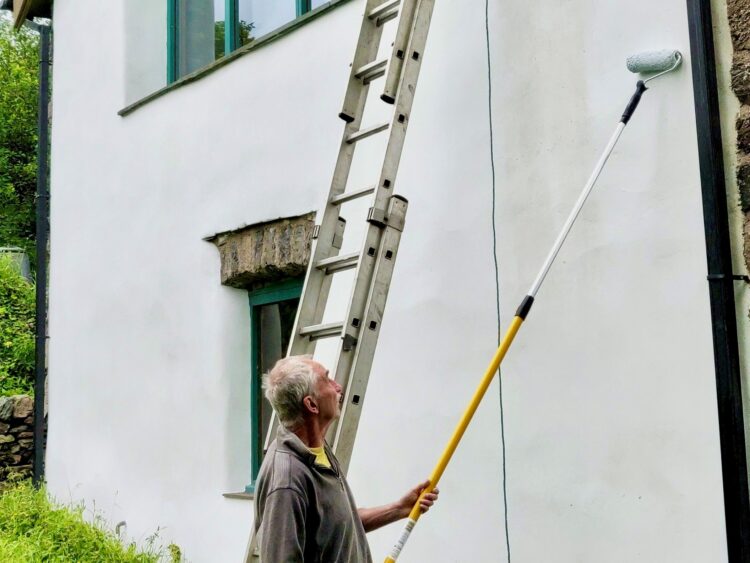
You’ve got a wall that needs protecting from the rain, so sealing it seems like the obvious answer. But before you reach for a sealer, it’s worth understanding what you’re actually putting on your walls and what it can mean for your home.
In this blog, we will cover:
- What a sealer is
- Why you should never seal masonry
- Signs your masonry has been sealed
- What to use instead
What Seals Masonry?
A sealer is any product that blocks the natural pores in masonry stopping rain from soaking in, but in the process also reduces the ability for moisture to naturally escape.
Traditionally, the term refers to clear or invisible treatments specifically marketed as waterproofers or sealers, designed to prevent rainwater from absorbing into exterior surfaces such as bricks, render and timber.
But what makes something a sealer isn’t what it’s called, it’s how it works.
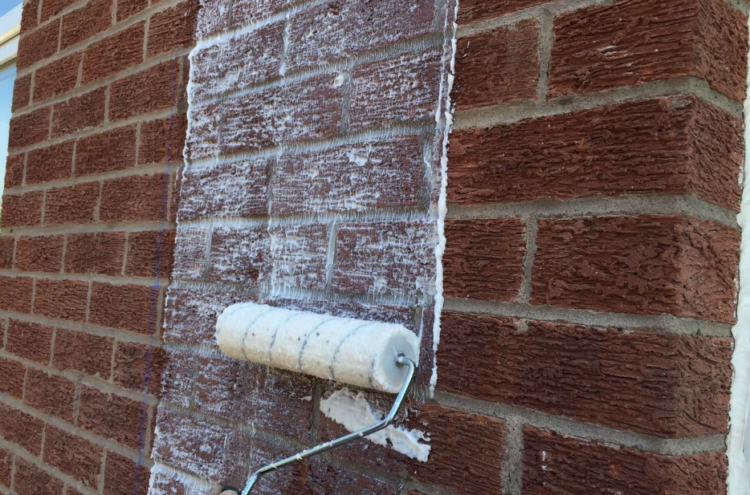
Products that seal masonry sit on the surface of the material and form a film which reduce the ability for moisture to get through in either direction.
Traditional sealers aren’t the only products that do this, most standard masonry paints, including many acrylic and plastic-based products, are film-forming by nature. The film might add colour, but the effect on your wall is the same.
Why You Should Never Seal Masonry
Keeping rain out of your walls sounds like a good idea, and it is, but forming a film across the surface can be counter productive to what you’re trying to achieve.
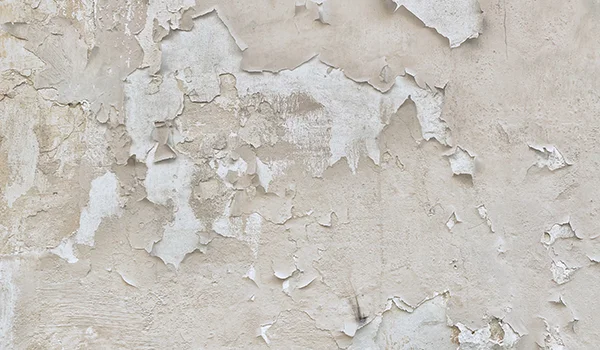
When a sealer forms a barrier on the surface, it traps moisture inside the wall, which can lead to damp problems, blistering or peeling of the paint and gradual deterioration of the masonry. Older solid wall properties have no cavity to buffer moisture, so the consequences of sealing are more severe.
Once you’ve sealed a wall, you’ve made every problem that comes up in the future harder to fix.
The knock-on effects of sealing masonry go further than you might think. Some of the biggest include:
- Damp inside the home – Moisture trapped in the wall has to go somewhere and often that’s inward showing as damp patches, peeling wallpaper and mould
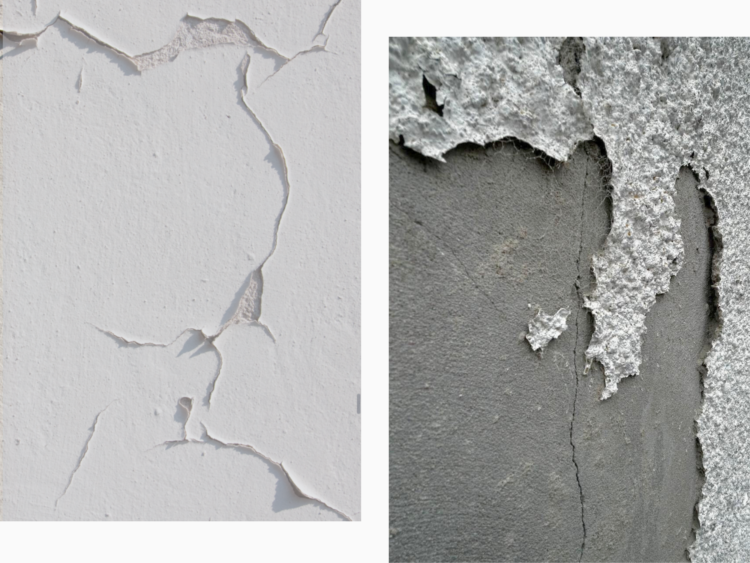
- Damage to the surface – Trapped moisture also pushes outwards, causing cracks, peeling paint and other structural issues if prolonged
- Spalling bricks – The face of the brick breaks away due to freeze-thaw damage from trapped moisture
- Algae or mould growth – High levels of moisture create the perfect environment for organic growth
Signs Your Masonry Has Been Sealed
So, invisible sealers and film-forming masonry paints can both cause problems, but before you do anything to your wall, it’s worth knowing whether your walls are already sealed.
With traditional sealers, these are invisible so can be tricky to spot. Some of the signs of an invisible sealer include:
- Water sitting on the surface – Rainwater beads or sits on the brickwork instead of soaking in naturally – this combined with signs of water damage can indicate a sealer rather than a breathable product
- Patchy or shiny areas – Some sealers leave sections of brick looking darker, glossy or uneven
When it comes to a masonry paint spotting this is much easier, the main question is was the paint that was applied low breathability.
The easiest way to know if the paint is causing issues is if you’re seeing bubbles or the paint lifting away from the surface. If it is, it’s almost always moisture pushing outward from within the wall. It tends to show up first on north-facing walls or areas that don’t get much sun.
Moisture that can’t escape outward through the paint will find its way inward, which is why damp patches on interior walls is one of the most commonly misdiagnosed damp problems in older properties.
What To Do If Your Walls Have Been Sealed
If you suspect a sealer has been used on your exterior walls before, the good news is that most sealers generally fail after a matter of years once moisture causes the film of the sealer to breakdown and peel, just like a paint would.
If you have painted masonry and think a low breathability paint has been used, there are a few options. You can remove the previous paint and start fresh with a new wall that is able to naturally breathe. If there are large scale areas where the paint has peeled, this is a good option.
If the existing paint isn’t showing signs of peeling, that’s a sign that moisture pressure hasn’t built up to a critical level yet. In that case, overpainting with a breathable masonry paint is a practical option.
This won’t reverse what’s there, but some paints can reduce the amount of water entering the wall in the first place while remaining highly breathable, limiting the moisture pressure behind the existing film and allowing the wall to better regulate moisture.
What To Use Instead
The good news is that keeping rain out of your walls and allowing them to breathe aren’t mutually exclusive – you just need a product that works with the wall rather than against it.
Nano-technology has made it possible to protect masonry without sealing it. Rather than forming a film, it chemically bonds to the masonry and lines the pores without blocking them. This means rain is repelled from the surface, but moisture within the wall can naturally escape.
It might sound impossible for a wall to repel rain but still breathe, but we’ve written about exactly how that’s possible in our guide to nano-technology.
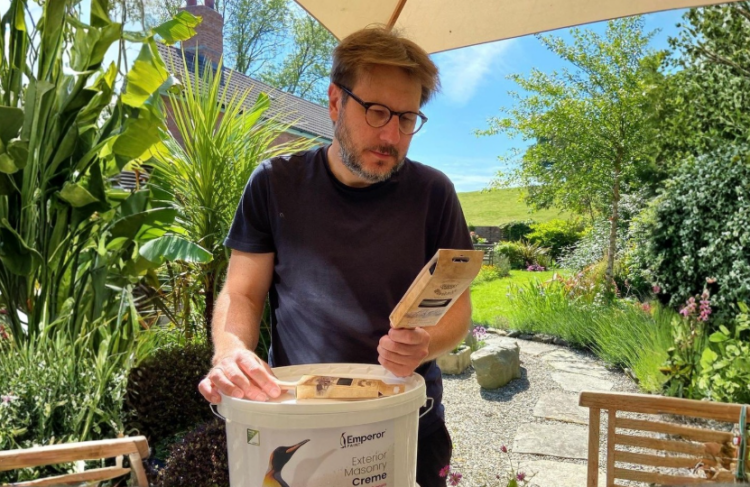
We put that technology into two forms; Emperor Masonry Creme which is an invisible masonry cream and Emperor Masonry Paint, a coloured paint.
How they work:
- Super hydrophobic – Cause rain to form beads that simply roll away before they can soak into the surface
- Highly breathable – Allow water vapour to pass through pores freely, helping walls dry out naturally. With an SD value of 0.03 or lower, they offer breathability similar to limewash
- Improves energy efficiency – By reducing water absorption while remaining breathable, they help keep walls dry, improving thermal performance
- Lifetime guarantee – With a 25 year proven performance with no signs of deterioration, both come with a lifetime guarantee
- Self-cleaning – Our super hydrophobic technology causes water to bead, as it can’t attach to the surface. As they roll off the surface, they gather any dirt and keep the wall dirt free
Frequently Asked Questions
Does brickwork need sealing?
Brickwork doesn’t need sealing and in most cases, sealing it will cause more problems than it solves.
What brick, stone and other exterior walls benefit from is reducing the amount of moisture they absorb without impacting breathability.
Keeping walls dry has a bigger impact than most people realise. It prevents structural damage, reduces heat loss, stops damp getting inside and keeps the surface looking better for longer. All of that without any of the risks that come with sealing.
Can you remove a masonry sealer?
Removing a sealer can be difficult, especially if it has penetrated into the surface of the masonry. Some products require specialist cleaning solutions or mechanical removal methods to fully strip them away. Once applied it is often best to leave the sealer to naturally fail.
A low breathability masonry paint that is sealing the masonry can be removed more easily, using various methods including sandblasting.
Are masonry sealers breathable?
Most traditional masonry sealers are not breathable because they create a film over the surface of the wall. This barrier prevents water vapour from escaping, which disrupts the natural moisture cycle within masonry.
If you have more questions, we are here to help with our in-house team of experts. You can chat to them by emailing [email protected] or give them a call on 01254 936121.
Not sure what is right for your walls? Take our handy quiz to get personalised recommendations and find the right products for your project in a few clicks.
Thinking about a project? Start yours by ordering your sample and see how they perform on your home.
This article was written by the Emperor Technical Team, a group of experts with an average of over 25 years experience in the building industry. They work daily with homeowners, tradespeople and specification professionals to deliver practical, expert guidance that promotes long-term results, supports wall health and helps create homes that are prepared for the future.