
Waterproofing Bricks and Masonry – The Ultimate Guide
Keeping the home dry is a priority for many of us, especially when the wetter months arrive.
Most people focus on roofs, gutters and windows, while exterior walls are often dismissed as tough enough to withstand the weather. In reality, they are one of the main routes for moisture to enter the home.
In this guide we are going to cover:
- Why you might want to waterproof masonry walls
- The problems caused by leaving your walls exposed
- How to find the right product
- How to waterproof brick and masonry at home yourself
Why Would You Waterproof Bricks and Masonry?
At first glance brick and other masonry surfaces look solid and weatherproof.
The truth however is that contrary to popular belief, exterior brick and masonry walls are porous, meaning they absorb moisture. The more porous the surface, the more moisture it can uptake.
So, what makes masonry porous?
- Bricks, stone, concrete and render all contain tiny capillaries and voids
- When rain hits the wall, the moisture is pulled into these pores through capillary action
- Softer materials like limestone absorb more water than dense materials like engineering brick
Painted masonry is also at risk. Most exterior paints in the UK are acrylic-based. These acrylic paints are often labelled ‘weatherproof’ or ‘weather resistant’ but they can soak up water in the same way that bare masonry can.
Moisture in exterior walls is expected, especially with the Great British Weather, and some argue it is natural for walls to let water in and out. The problem is this overlooks the hidden side effects that wet exterior walls can have.
DAMAGED BRICKWORK AND MASONRY
Your exterior walls are the first line of defence from the elements. They take the full brunt of the weather and this can take its toll.
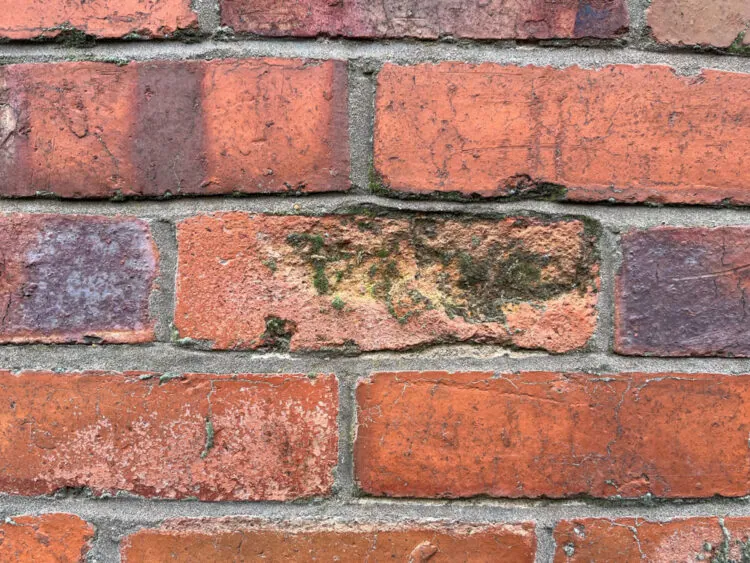
Water when it gets into exterior walls is one of the primary reasons why they get damaged. In winter, the moisture that has soaked into the masonry wall freezes. When it freezes, it expands within the brickwork, causing movement that opens up cracks. This is a process called the freeze-thaw cycle.
The Building Research Establishment (BRE), the UK’s leading building science body, highlights freeze-thaw action as one of the main causes of masonry damage.
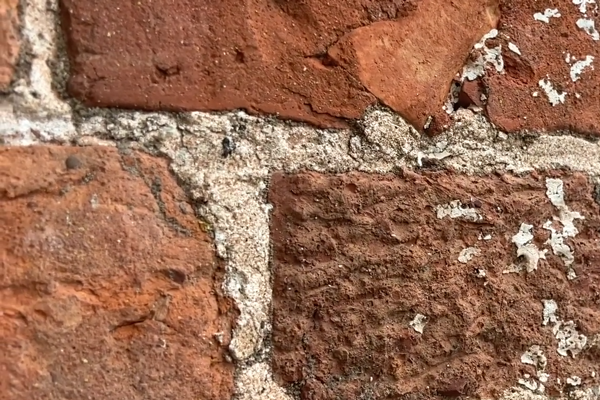
Over time, the front of bricks can break away, known as brick spalling, and mortar can begin to crumble due to the consistently high levels of moisture.
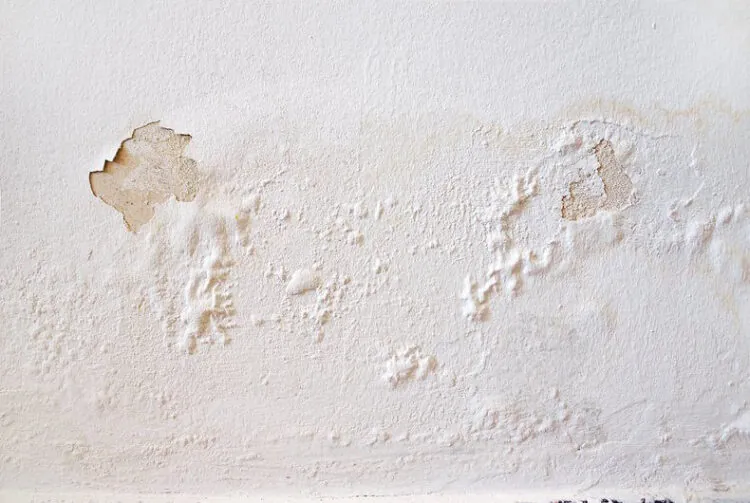
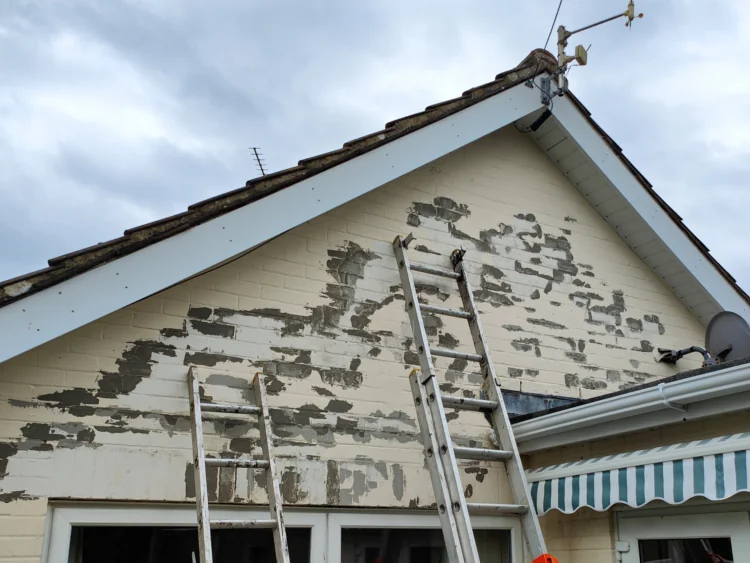
For painted masonry walls, this also leads to peeling paint as the moisture causes the paint to delaminate from the wall.
This damage allows even more water to enter the wall and creates a continual cycle of deterioration.
DAMP
When moisture enters through exterior walls, it can lead to penetrating damp, an increasingly common problem in the UK. A government survey suggests that as many as 500,000 homes could be affected.
Both cavity walls and solid walls are at risk. In the case of solid wall properties, there is no barrier to prevent moisture from soaking through the exterior wall into the interior wall of your home.
On homes with a cavity wall, when cavity wall insulation is poorly fitted or debris fills the gap, this can create a bridge for moisture to soak through too.
For homeowners, this means damp patches, peeling paint, mould growth and can even lead to an impact on your health. The only real solution is to prevent the moisture from entering the external wall in the first place.
HEAT LOSS
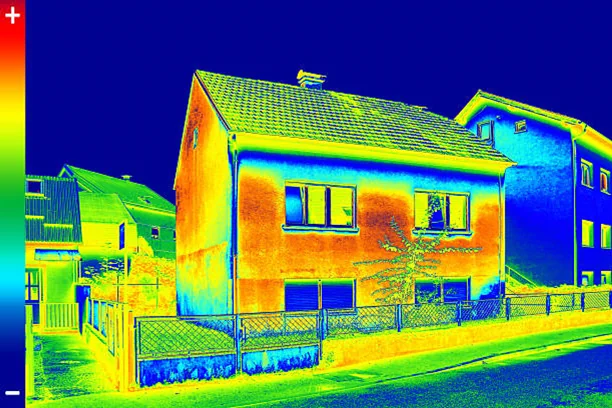
One of the lesser-known problems associated with wet exterior walls is heat loss. Even a small amount of moisture content of 5% can lower the insulating properties of a material by 50%.
With 33% of heat loss escaping through the exterior walls of our homes, according to the Energy Saving Trust, damp masonry makes houses colder and less energy efficient.
Waterproofing masonry walls reduces this moisture, helping your home hold on to the heat you are paying for.
How Do You Waterproof Brick and Masonry?
In order to prevent the problems that occur when exterior walls get wet, you must limit absorption from wind-driven rain.
When looking into this, you will see a range of treatments including masonry paint, masonry cream and sealers, but it is crucial to know the differences.
What Waterproofing Really Means
The term ‘waterproof’ is generally used, but it doesn’t always mean the same thing.
For something to be waterproof, technically speaking it is impermeable to water. The problem is, you don’t want to put something like that on the outside of your home.
In practical terms, the word ‘waterproof’ is referring to something that reduces the ability for rain to get into your walls.
The Importance Of Breathability
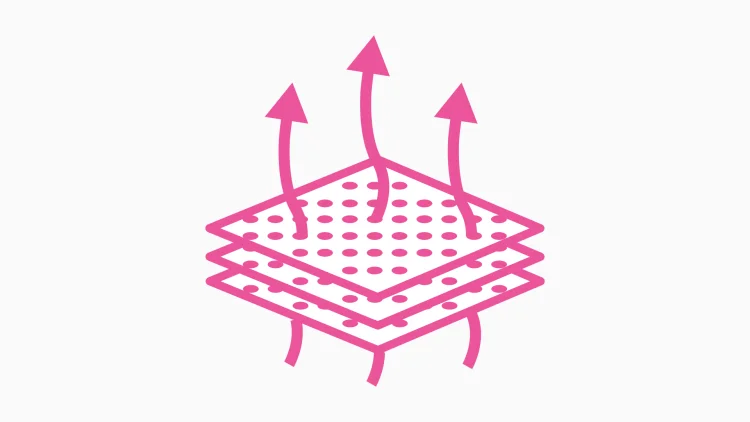
When it comes to keeping your home dry, it’s not just about keeping the water out. It’s just as important to ensure water vapour can naturally escape.
Breathability refers to how easily a material allows water vapour to pass through it. If a coating is not highly breathable, it will cause moisture to build-up behind it.
Over time this trapped moisture damages the wall, causes the coating to peel and even makes damp problems worse. Instead of helping, the wrong product will only make the issue bigger.
Learn more: How breathability is measured
The risks of using the wrong product
In the UK, there has been a large amount of confusion around products that reduce the water absorption of exterior walls, from products like sealers and traditional masonry paints.
- Sealers – clear products were introduced to the UK in the 70’s and 80’s. They form a film on the surface on masonry that ‘seals’ the surface and blocks rain. The problem is they also trap moisture inside, meaning they usually fail after 1-3 years when they have in some cases made the problem worse.
- Standard masonry paint – usually acrylic-based, they are often labelled as ‘weatherproof’ or ‘weather resistant’. In practice, they slow water down absorption but don’t stop it completely, so walls still uptake moisture over time. Combined with limited breathability, this can lead to trapped moisture, damp patches and eventually peeling.
These issues aren’t unique to one brand, they are well-documented in the industry, which is why some professionals became cautious about waterproofing masonry and external bricks altogether.
Nano-technology
For decades, the problem with waterproofing was that products worked against the building, not with it.
These film forming products tended to seal the pores of the masonry, either stopping breathability completely or impairing it.
From this researchers developed what is known as nano-technology. The idea is simple, stop rain getting in, while still allowing water vapour to escape.
This seems impossible, but the secret lies at a microscopic level.
Instead of sealing the surface, nano-technology lines the pores of masonry. By doing this, rain droplets (as a liquid) are too large to get in, so they form beads that simply roll away, while water vapour molecules (as a gas) are much smaller and can still pass through.
In other words, it stops rain, but not the natural breathability of the wall.

This cutting-edge technology has been applied to two treatments, designed for different finishes:
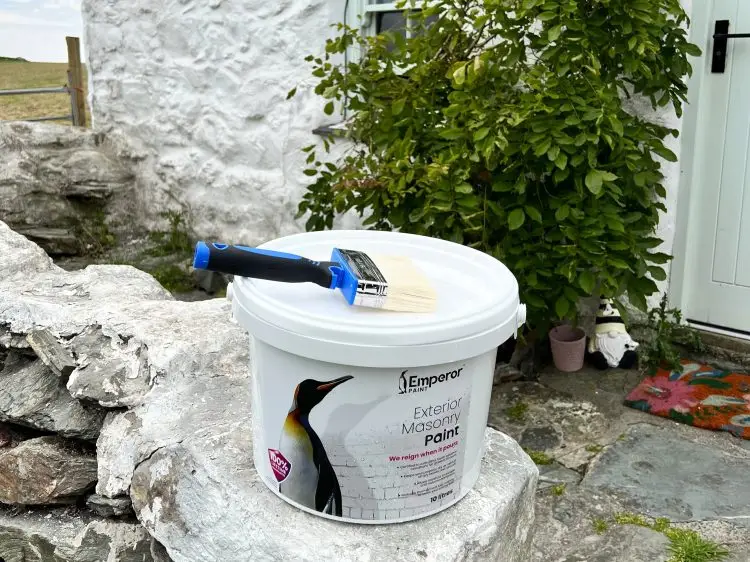
- Emperor Masonry Paint – a coloured paint that protects while also leaving a beautiful new look.
- Emperor Masonry Creme – a clear treatment that keeps your home dry without changing its appearance.
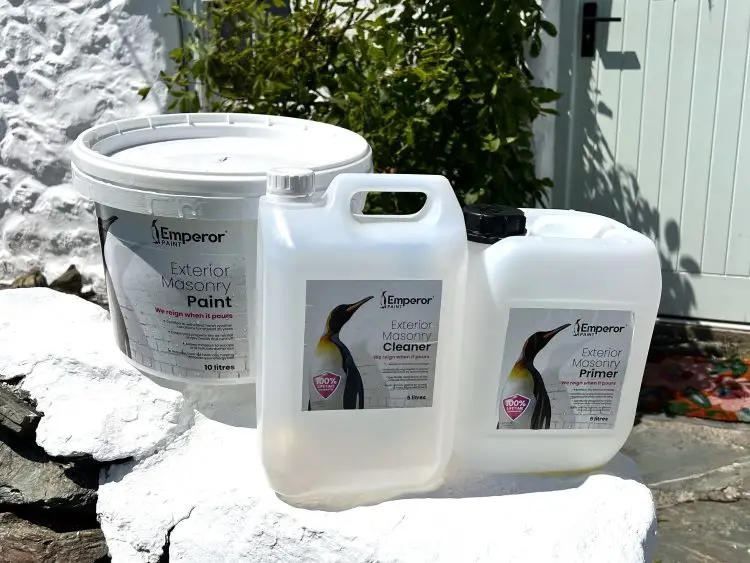
Both create a super hydrophobic surface on exterior walls that reduces water absorption by up to 96%.
At the same time they stay highly breathable with SD breathability values of 0.01 and 0.03, similar to traditional limewash.
By preventing a build-up of moisture, these treatments are also extremely durable. This is because moisture is the cause of the vast majority of paint failure. In independent tests, both products were found to have no change in appearance or performance after 25 years of heavy weathering.
Because of this, we’re so confident they will far exceed this that we offer a lifetime guarantee.
Learn more: The Emperor Paint lifetime guarantee
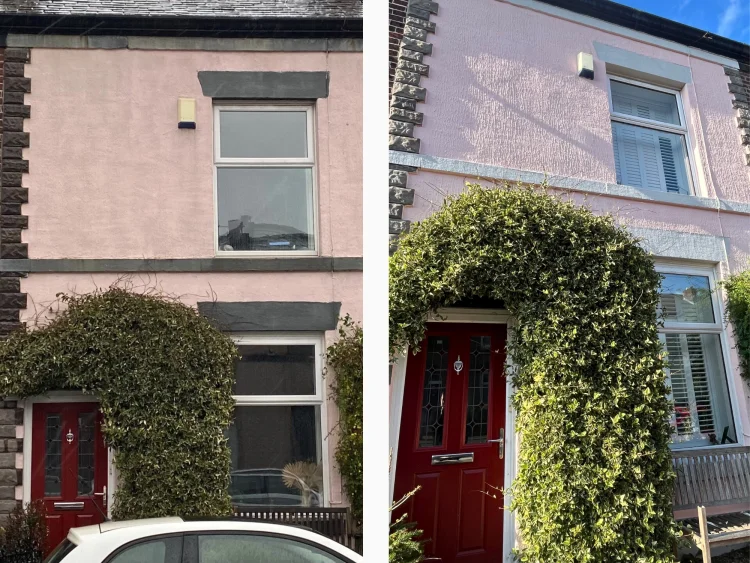
Homeowners have seen these results in practice. Our Technical Team recently helped Emily with her 1800’s terraced home. Her front facing walls used to darken quickly as the render soaked up the wind-driven rain.
After applying Emperor Masonry Paint, the render began to repel water instead of allowing it through the solid walls. Within months, moisture levels dropped over the following months and damp patches began to dry out, even through winter.
Learn more: Read Emily’s story
How To Waterproof A Masonry Wall
Treating exterior walls may sound complicated, but the process is straightforward when you know what’s involved.
YOU WILL NEED:
- Long-pile masonry roller
- Paint tray
- Paint brush
- Dust sheets
- Masking tape
- Emperor Masonry Paint or Emperor Masonry Creme
- Emperor Exterior Primer (if required)
- Emperor Exterior Cleaner
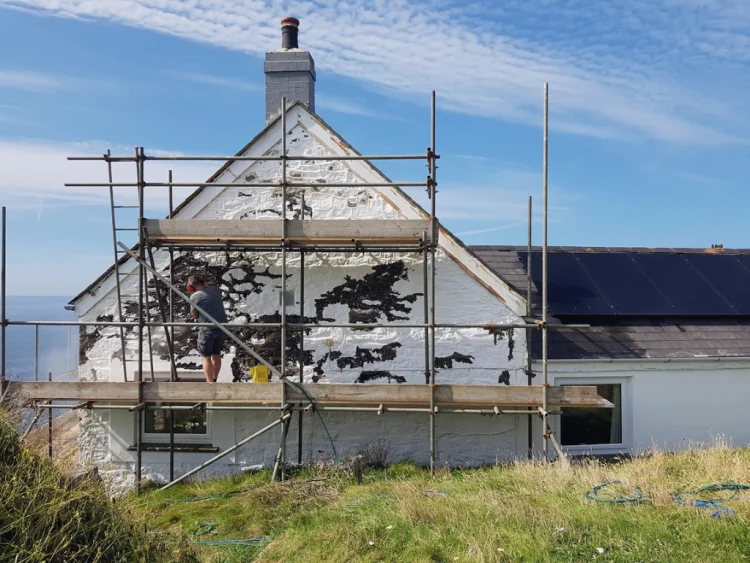
Step 1: Prep
The best results always start with a clean and sound surface.
Begin by making sure cracks are repaired, loose paint is removed and the wall is clean and dry. If using the masonry paint, prime any bare areas first.
Step 2: Protect
Dust sheets and masking tape are a must to keep surfaces clean and give you neat results without the drama.
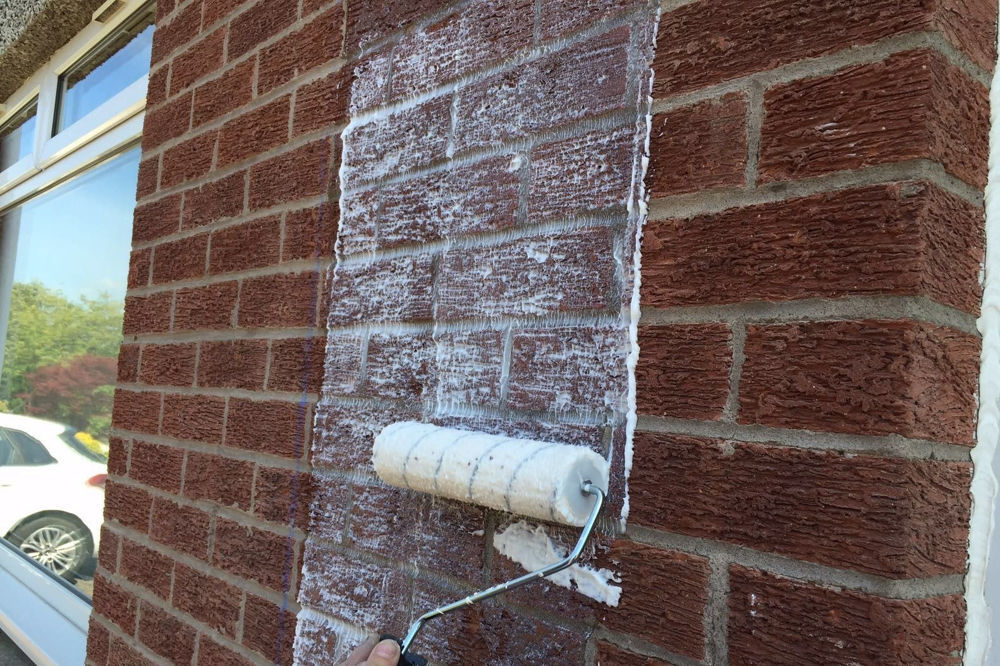
Step 3: Apply
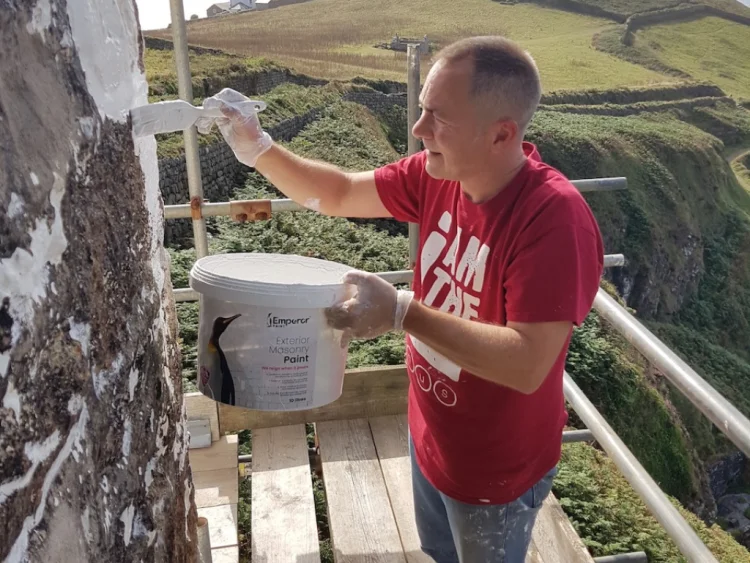
Whether you use Emperor Masonry Paint or Emperor Masonry Creme, application is simple.
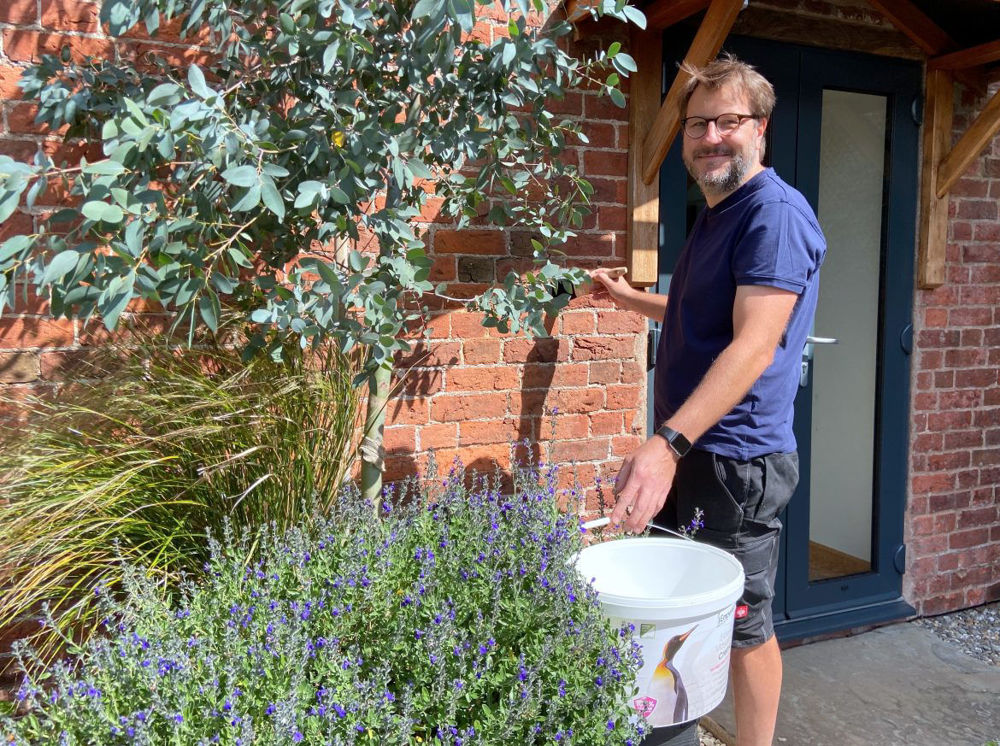
With the paint, apply two coats with a brush or roller, while Creme is spread on to the wall once and then left to naturally soak into the wall.
Learn more: Read our full how to apply guides
Frequently Asked Questions
Is waterproofing bricks a good idea?
All masonry, even dense brick, absorbs moisture over time. That means reducing water uptake can only have a positive impact providing breathability isn’t reduced. The degree of benefit depends on how much water it absorbs.
The biggest gains in reducing water absorption can be found on softer materials like sandstone, where the improvement can be dramatic.
Storm rainfall events in the UK are now 20% more intense than before and are occurring more often, according to the Met Office. With extreme weather intensifying, taking preventative steps is increasingly important for future-proofing your home.
How long does waterproofing last?
Emperor Masonry Paint and Emperor Masonry Creme have been independently tested to protect masonry from water absorption for a minimum of 25 years with no change in appearance or performance.
That means, when using the right product, you only have to apply it once to protect your home for decades.
Can you protect previously painted walls?
Yes, you can apply Emperor Masonry Paint over previously painted surfaces. You can’t apply Emperor Masonry Creme on a painted surface as it is designed for bare, natural masonry.
When is the best time to do it?
As previously mentioned, you should not apply masonry paint in temperatures below 5°C or in wet conditions as the surface must be dry.
This means that it is not ideal to apply masonry paint in winter months. Try and allocate a period where no rain is forecast and where you will have enough time to apply two coats.
How much does it cost?
The price of enough Emperor Masonry Paint or Emperor Masonry Creme to cover 25m2 is £125. This is often sufficient to treat one side of your home.
Most homes are between 80-120m2, meaning the price of protecting your exterior walls is much lower than other projects that have the same amount of impact for the health and performance of your home.
We hope this guide has answered any questions you had regarding waterproofing brick and masonry walls.
When starting your project, we recommend in any case checking the product you are using is breathable to ensure you do the right thing for your home without any nasty surprises.
If you have more questions, we are here to help with our in-house team of experts. You can chat to them by emailing [email protected].
Ready to get started? Take our handy quiz to get personalised recommendations and find the right products for your project in a few clicks.
This article was written by the Emperor Technical Team, a group of experts with an average of over 25 years experience in the building industry. They work daily with homeowners, tradespeople and specification professionals to deliver practical, expert guidance that promotes long-term results, supports wall health and helps create homes that are prepared for the future.