Handy terms to know
Glossary
If you’ve ever read about masonry paint, damp or breathability and felt unsure what some of the terms meant, you’re not alone. This glossary is designed to make technical language easier to understand, helping you understand how each term relates to your home and any work you’re planning.
Most important terms to know
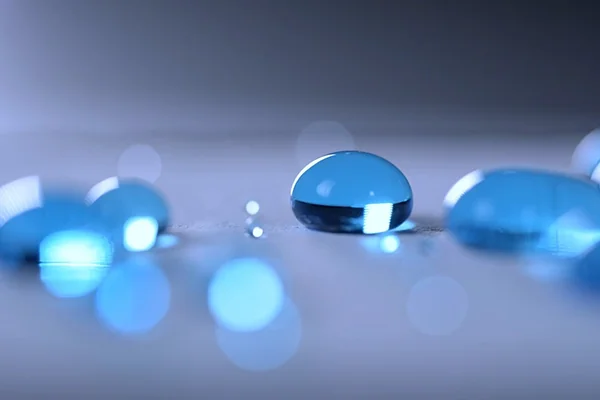
Super Hydrophobic
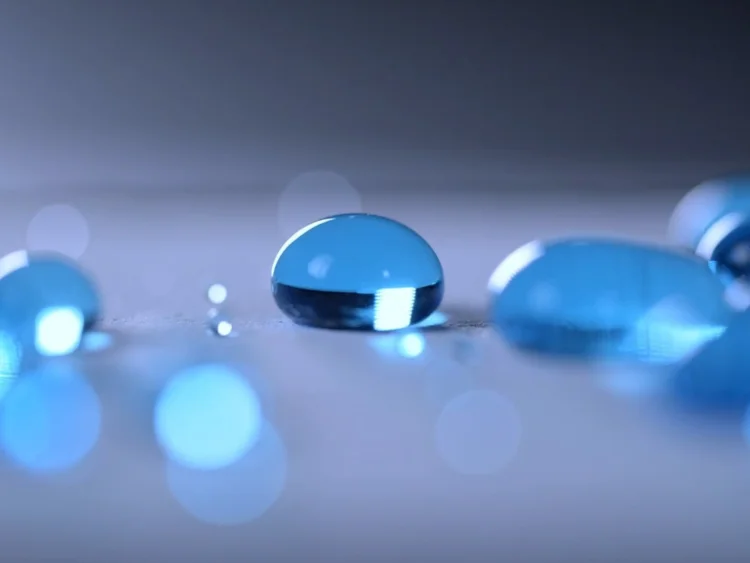
Emperor’s super hydrophobic effect comes from advanced nano-technology. A super hydrophobic surface is one that repels water so strongly that droplets form near perfect beads with a contact angle above 150°, meaning it simply rolls off.
Nano-technology
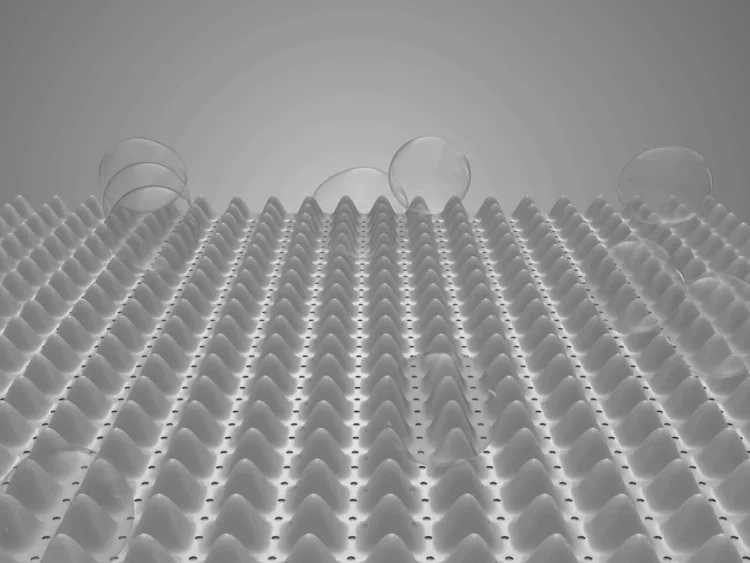
Nano-technology coats the microscopic pores of masonry without blocking them. This creates a highly breathable yet super hydrophobic surface, meaning water beads on the wall and rolls off instead of soaking in. At the same time, water vapour from inside the property can still escape, helping keep the wall dry and protected.
Breathability
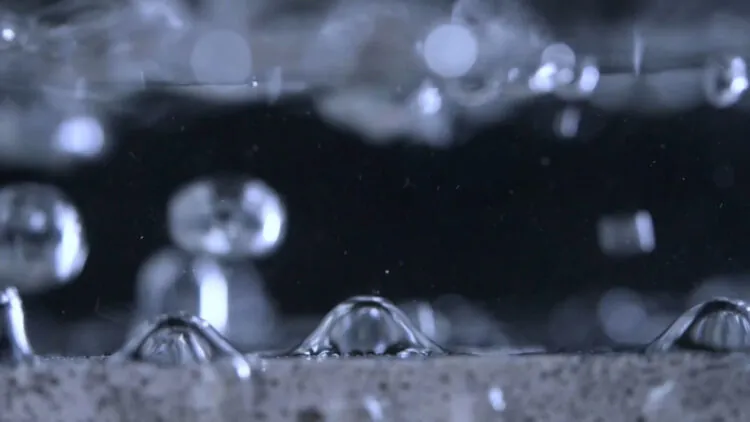
Breathability refers to how easily water vapour can pass through a surface. Without high breathability, water vapour can become trapped within a property. These high levels of moisture can lead to damp problems or damage, such as cracking. Eventually, the pressure will cause any paint to peel, blister or flake, which is the primary cause of exterior paint failure.
General
BBA Certified
BBA stands for the British Board of Agrément. When a product has a BBA Agrément Certificate, it means it has been thoroughly tested and proven to meet strict quality, safety and performance standards. This certification confirms that a product is suitable for its intended use and meets relevant building regulations.
Carbon footprint
Carbon footprint refers to the amount of greenhouse gases produced directly or indirectly by a product, process or organisation.
Durability
Durability describes how long a material can perform its intended function without deteriorating or failing. A durable product can withstand wear, weather and environmental stress over time while maintaining its appearance and performance.
Efflorescence
Efflorescence is a white, powdery, salt-like residue that forms on the surface of brick, concrete or stone when moisture within the material carries dissolved salts to the surface. As the water evaporates, the salts crystallise, leaving a visible white deposit.
Heat-retaining
Heat-retaining refers to a material or surface that holds onto warmth and releases it slowly over time. Instead of heat escaping quickly, heat-retaining products help stabilise temperatures, making spaces feel warmer for longer. This can improve energy efficiency, reduce heat loss and create a more comfortable indoor environment.
Hydrophilic
Hydrophilic describes a surface or material that attracts and absorbs water. Unlike hydrophobic surfaces, hydrophilic surfaces allow moisture to spread out rather than bead, which can increase absorption or drying behaviour depending on the material.
Hydrophobic
Hydrophobic refers to a surface that repels water rather than absorbing it. Water forms droplets and rolls off, helping keep the material dry and reducing the risk of moisture damage. A surface is hydrophobic when its static water contact angle is greater than 90°.
Open-pore structure
Open-pore structure describes a material with interconnected pores that allow air and vapour to pass through. This supports breathability and reduces moisture build-up within walls or substrates.
Penetrating Damp
Penetrating damp occurs when rainwater enters a property through external walls, roof or windows, causing damp patches inside.
Permeability
Permeability is often used interchangeably with breathability and describes how easily water vapour can pass through a surface. In short, breathability describes a surface’s permeability to water vapour.
Self-cleaning
Our Emperor super hydrophobic technology creates a self-cleaning effect by causing water to form beads on the surface, as it cannot attach to it. As these beads roll off, they collect dirt and contaminants, leaving the surface clean and protected without the need for maintenance.
Silicone-based
Silicone-based refers to materials or coatings made with silicone compounds. These offer strong water resistance, flexibility, UV stability and long-term durability, making them well suited to exterior protection.
Substrate
Substrate is the surface or base material to which a coating, paint, adhesive or treatment is applied. Examples include brick, render, concrete, stone or wood.
Sulphate Attack
Sulphate attack happens when sulphates within the wall react with moisture and the cement inside the structure. This chemical reaction causes the material to expand, which can lead to cracking, distortion and pressure on surrounding areas. Over time, this process weakens the wall, causing it to crumble and lose structural stability.
Thermal Bridging
Thermal bridging is the movement of heat through a colder section of a wall. When masonry becomes wet it conducts heat much faster than when it is dry. This makes the wall lose heat quicker and lowers the energy efficiency of your home.
UV resistant
UV resistant describes a material or surface that can withstand exposure to ultraviolet (UV) rays from the sun without breaking down, fading or losing performance. UV resistance protects against sun damage, helping products maintain their colour, strength and durability over time.
Water absorption
Water absorption refers to how much water a material or surface can take in when exposed to moisture. Lower water absorption helps protect building materials from damp, decay and structural degradation.
Water Ingress
Water ingress is the movement of moisture into a building from the outside through roofs, walls, windows or doors. It is also often referred to as penetrating damp because the moisture passes through the external structure into the interior.
Water resistance
Water resistance refers to a material’s ability to slow down or prevent water from being absorbed. Unlike waterproof materials, water resistant surfaces may still allow minimal moisture penetration over time but offer protection against rain and splashes.
Waterproof
Waterproof means a material or product is completely impermeable to water, even under prolonged exposure. Waterproof surfaces prevent moisture from passing through entirely. It is sometimes used to describe paints that reduce water absorption, but strictly speaking only a barrier that allows no water through at all is truly waterproof.
Weatherproof
Weatherproof refers to a material or product designed to withstand exposure to outdoor elements such as rain, wind, sunlight and temperature changes. It describes products as suitable for outdoor exposure, but it does not define how much water it resists or how it behaves when moisture is present. The term has no formal performance standard, meaning it’s often used loosely without giving a clear indication of real-world performance.
Surfaces
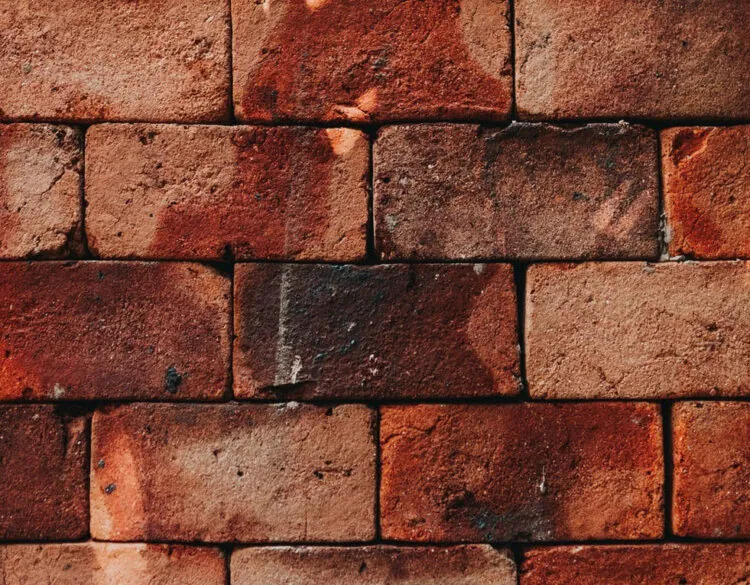
Brickwork
Exterior walls made from clay or concrete bricks laid in rows and bonded together with mortar.
Cladding
A layer of external panels such as timber, composite, metal or uPVC installed over walls to protect them from the elements and change the appearance.
Limewash
A traditional breathable paint made from lime and water, often used on older buildings to allow moisture to escape while providing a natural matte finish.
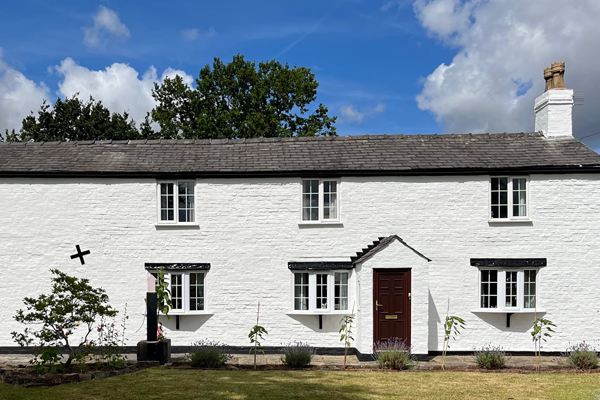
Painted Masonry
Masonry that has been coated with specialised exterior masonry paint to add colour and improve weather resistance.
Pebbledash (Roughcast)
A type of render that incorporates or is finished with small stones or pebbles, creating a rough, highly weather-resistant surface.
Render
A protective coating applied over masonry to create a smooth or textured finish and improve durability against weather.
Stonework
Walls constructed from natural stone blocks or panels, valued for durability and a strong, traditional appearance.
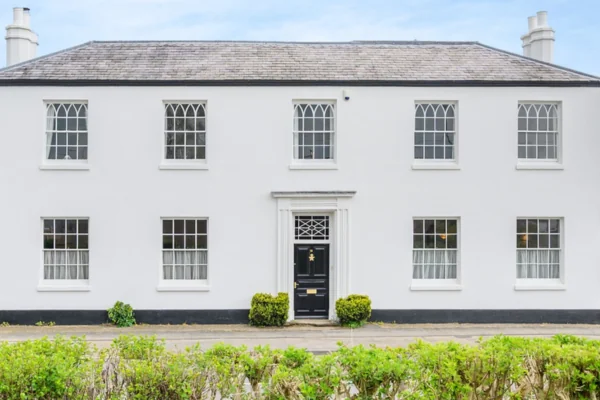
Stucco
A decorative render that creates a smooth, refined surface, often used on period or architectural buildings for a clean, finished look.
Weatherboarding (Timber or Composite)
Overlapping horizontal boards fixed to the outside of a building, providing protection from weather and adding a distinctive aesthetic.
Application
Back-Brushing/Back-Rolling
After spraying or rolling paint onto a surface, a brush or roller is used again to work it into the material. This is especially useful on porous or textured surfaces to ensure even coverage.
Brushing
Applying paint with a brush for precision work, detailed areas or uneven surfaces. Brushing is ideal for edges, trims and places where a roller or sprayer can’t reach.
Cutting In
The process of using a brush to paint along edges, corners and around fixtures before rolling the main surface. This helps create clean, sharp lines where rollers can’t reach and prevents overlap marks.
Dabbing/Touching Up
Applying small amounts of paint to cover missed spots, repairs or imperfections once the main coats have dried. This helps achieve a consistent final finish.
Feathering
Lightly blending the wet edge of paint to soften lines and avoid streaks or visible roller edges. This helps create a seamless finish, especially where fresh paint meets drier sections.
Rolling
Using a paint roller to apply paint across large flat surfaces like walls or ceilings. It provides faster coverage than brushing and helps achieve a smooth, even finish.
Second Coat/Top Coat
The additional layer applied after the first coat has dried. It improves durability, deepens colour and helps ensure the finish is even and long-lasting.
Spraying
Applying paint using a spray gun or paint sprayer to achieve fast, even coverage. It’s ideal for large surfaces, hard-to-reach areas or detailed architectural features.
Stippling
A technique using a brush, pad or sponge in a tapping motion to add or blend texture, often used to fix imperfections or reduce roller marks.