


Better Ingredients, Better Performance
When it comes to what goes into a tin of paint, it’s not just the amount of good stuff that is added, it’s also the quality and type of those ingredients.
Paints designed with performance in mind use advanced resins and pigments that don’t just coat a surface, they facilitate a range of aspects from how easy it is to apply to how the paint actively bonds to the surface.
In paints like ours, the ingredients used are essential to performance. For example, our silicone-based formulation relies on a silicone binder, a premium ingredient known for its ability to repel water while still allowing surfaces to breathe. By nature, these components cost more to include, but provide superior performance in the long-run.

New Technology
It’s not just what goes into a paint, it’s also about how it comes together.
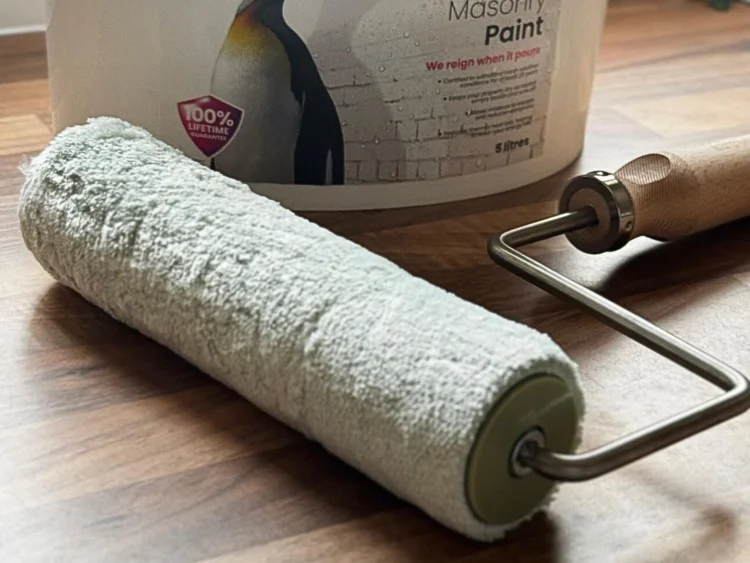
Take our masonry paint as an example. Its performance relies on nano-technology – a result of years of research and development aimed at creating a paint that lasts far beyond the typical lifespan of a standard masonry paint.
Paint like this only works when it’s built on the right foundation. We carefully source every raw material, ensuring it meets the exact criteria needed to work in synergy with the formulation. Without the right ingredients, the technology doesn’t work.
This requires extensive research, rigorous independent testing and strict material sourcing to achieve a unique formulation custom built for the job at hand.
The Label
In today’s market, a higher price tag doesn’t always reflect quality – sometimes its appearance more than what’s in the tin.
Paints can often be coined ‘luxury paint’ or ‘designer paint’, but while they may often be a step up from their less expensive alternatives, this doesn’t always mean they are designed for the best performance possible.
Of course, what is right for you depends on your priorities, but if the performance of a paint is important to you, understanding exactly what you are paying for is crucial.
As a paint brand that sits in the premium space, we know this all too well and while we don’t associate ourselves with labels like ‘luxury’ or ‘designer’, the question of what makes paint expensive can’t really be answered without acknowledging it.
The Hidden Costs
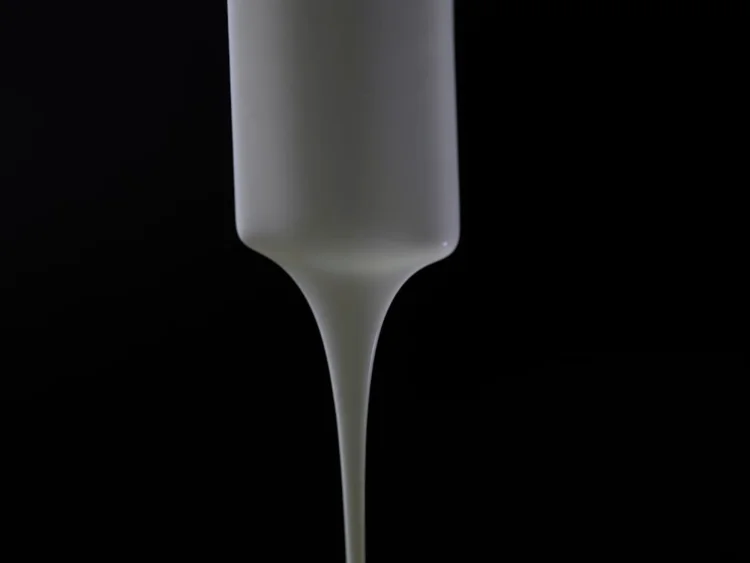
Like with many things, the true cost of paint isn’t just what you pay upfront, it’s what value for money it gives you over-time.
That includes how many coats you will need to apply, how long it lasts and all the other factors that may not be obvious at first glance.
When it comes to painting the outside of your house specifically, the factors at play are varied.
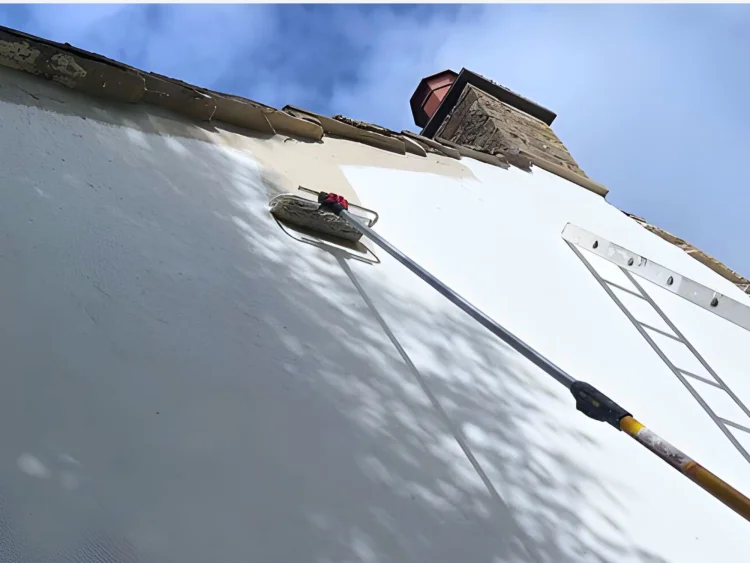
Exterior walls have to face the Great British weather all-year-round, with shifting temperatures and high levels of moisture to contend with. The paint you choose needs to do more than just look good, it needs to be able to prevent water ingress, naturally breathe and remain adhered to the wall.
For example, you might find a masonry paint that costs £60 for a 10L tub, but if it only lasts two years before it starts to peel, that’s £30 a year (not including the time, effort or additional materials needed to repaint.)
Compare that to Emperor Masonry Paint, which is £125 for a 10L tub and has been independently proven to last over 25 years – that works out at just £5 per year.
That doesn’t include the savings you would make from things like scaffolding hire, tools or paying a professional to complete the project.
Then there’s the biggest hidden value of all – it’s the peace of mind that comes with knowing the job is done properly and won’t need revisiting anytime soon.
How To Tell If A Paint Is Worth It
Want to know how you can better research the true performance of a paint for your project? Here are a few things we recommend keeping an eye out for when deciding on what paint is right for you and your home.
- Independent testing – Look for paints that have been independently tested and have transparent results to back up their performance claims. Third-party testing gives you confidence that the data isn’t just marketing.
- Product data – Things like VOC level, volume solids and breathability (SD value) can all be measured and should be openly disclosed. These are objective measures that help show the true performance of a paint.
- Online reviews – Often the best way to research a product is to find verified reviews from other homeowners, as well as reviews across social media from professional decorators.
- Try a sample – Using a sample pot is a great way to see a paint in person yourself and get a feel for the coverage, opacity and ease of application before you commit.
When it comes to choosing paint, it can feel like there’s a lot to weigh up, but we hope this has given you the clarity and confidence to make the right decision for you and your home.
All costs are approximate and used for illustrative purposes only.