
Sulphate Attack Explained – The Causes, Signs & Prevention Guide
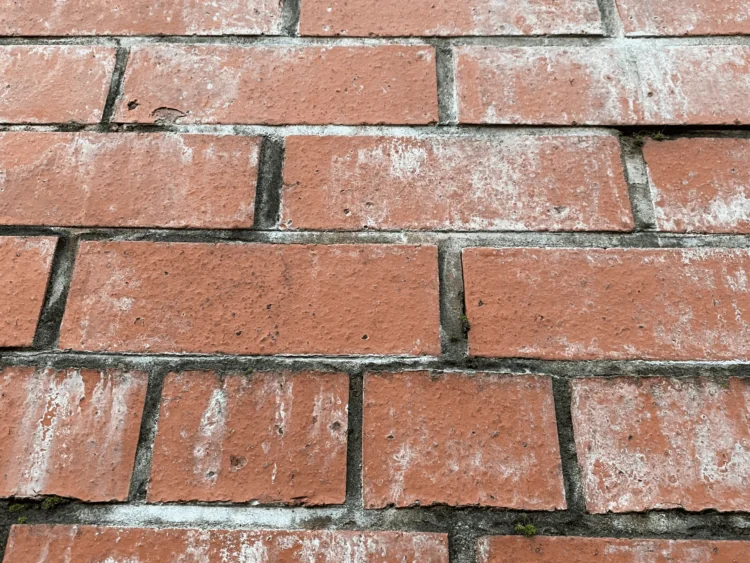
Sulphate attack isn’t something many homeowners think about, but it can affect certain properties in the UK, particularly older brickwork or masonry that’s been exposed to moisture over many years.
If you spot cracking, crumbling or deterioration on exterior bricks, it’s worth dealing with it sooner rather than later, as the issue can progress and affect the strength of the wall.
In this guide, we will cover:
- What sulphate attack is
- What causes sulphate attack
- How to identify sulphate attack
- How to prevent sulphate attack
What is sulphate attack?
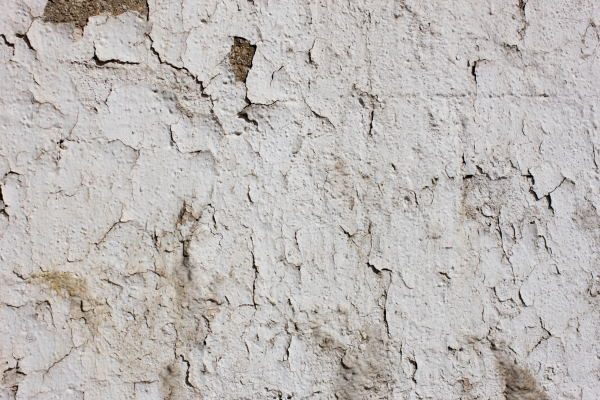
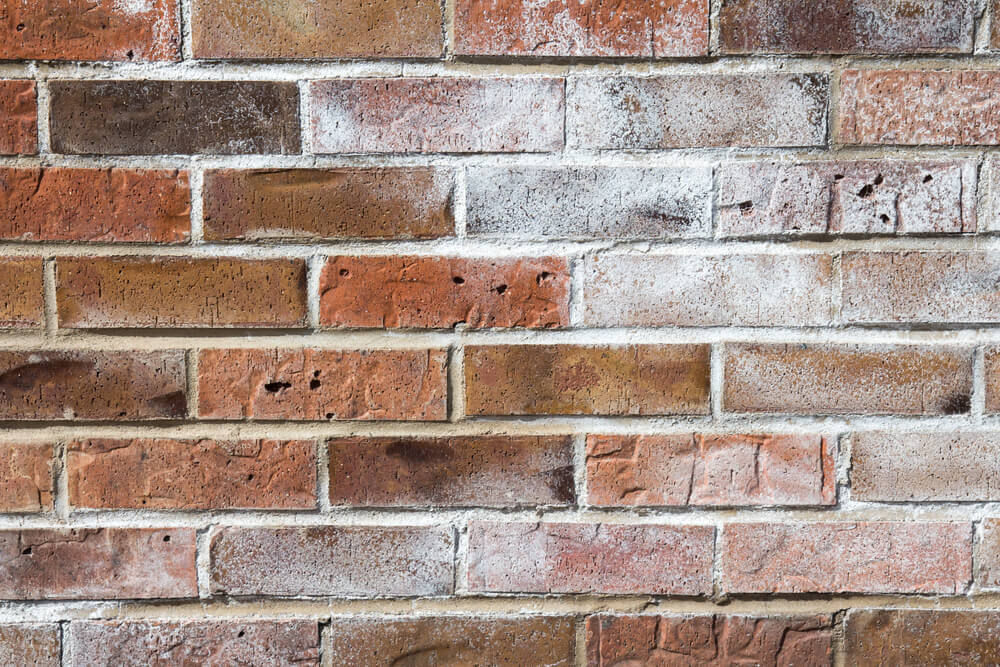
Sulphate attack happens when sulphates in soil, rainwater or groundwater are absorbed into brickwork, mortar or concrete. Once inside, they react with the cement-based material, causing it to expand and slowly weaken. Over time, this can lead to cracking, crumbling and damage.
Exterior walls are particularly at risk because they’re constantly exposed to moisture, especially in wetter climates. If walls stay damp for long periods of time the conditions become ideal for sulphates to penetrate and react.
“Sulfate (sulphate) attack is the deterioration of concrete caused by the reaction of water-soluble sulfates with components in cement paste, leading to the formation of expansive materials such as ettringite and gypsum, resulting in cracking, loss of strength, and disintegration.” ScienceDirect
What causes sulphate attack?
When sulphates are absorbed into building materials, a chemical reaction can occur, leading to sulphate attack. This issue is more commonly seen in older homes, as construction standards were less regulated at the time, while they have also been exposed to moisture and environmental sulphates for many years.
Common causes include:
- Sulphate-rich soil or groundwater – Sulphates dissolved in water can gradually move into walls.
- Contaminated building materials – Older sand, aggregates or water used during construction may have already contained sulphates.
- Pollution – Airborne sulphates can be absorbed through rainwater over time.
- Poor drainage or long-term damp – Constant moisture makes it much easier for sulphates to travel into masonry.
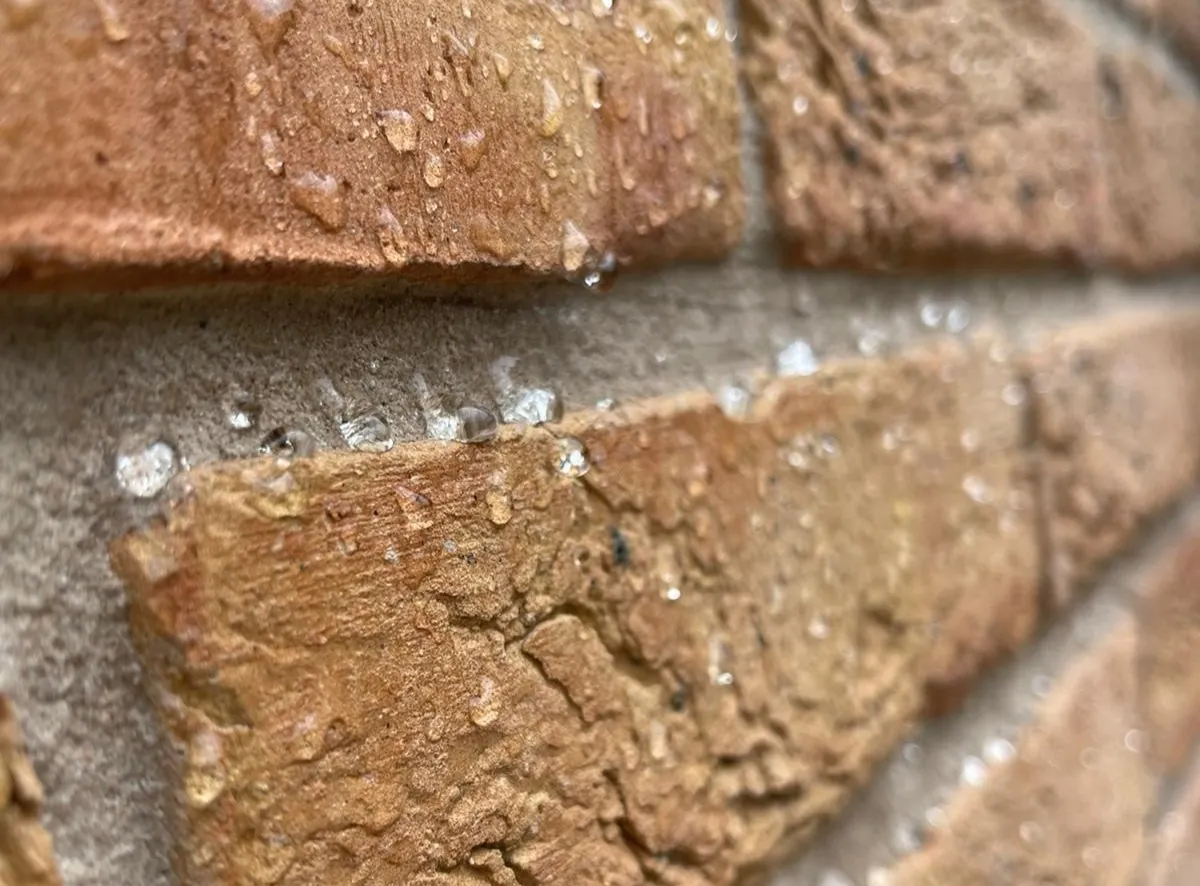
- Freeze-thaw – When trapped moisture freezes and expands, causing damage. While not a direct cause, it can speed up the damage caused by sulphate attack.
“Freeze-thaw occurs when concrete is saturated with water and the temperature drops, freezing the water molecules. Since frozen water expands 9% of its original volume, as the water in moist concrete freezes, it produces pressure in the pores. If the pressure exceeds the tensile strength of the concrete, the cavity will dilate and rupture, causing distress to the structure” Polytrade
Signs of sulphate attack
Sulphate attack can develop slowly, with visible signs not showing for five to ten years, in many cases. Due to this, it’s always helpful to keep an eye out for some of the common signs so you can prevent future problems.
Look on your exterior walls for signs of:
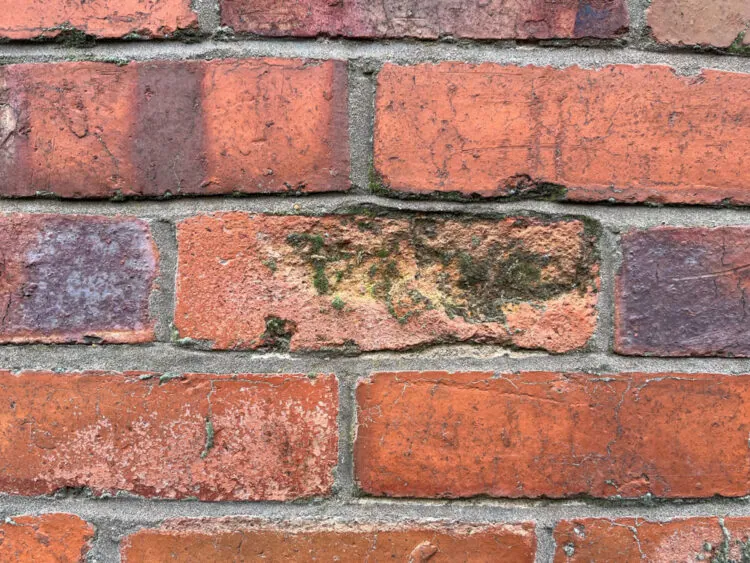
- Crumbling or soft mortar
- Cracks in brickwork or mortar joints
- Bulging or uneven areas of the wall
- Flaking or spalling bricks
- Damp patches that remain long after rainfall
- Loose or unstable masonry
If you notice several of these symptoms together on your walls, it’s a good idea to have the walls inspected. Once visible damage appears, it can worsen over time and affect structural stability.
How to prevent sulphate attack
The most effective way to prevent sulphate attack is to keep your walls dry. Moisture is what transports sulphates into the masonry, so limiting water absorption helps stop the process before it begins and protects the structure over time.
Ways to keep your exterior walls dry include:
- Improve drainage around the property – Standing water or constantly wet soil increases risk. Ensure drains are clear and ground levels are sloped away from the house.
- Using breathable protection – A masonry paint or treatment that keeps rainwater out while allowing moisture is an effective way to protect the wall from a range of problems.
- Remove or manage climbing plants – Ivy and other plants trap moisture against walls and may damage brickwork over time.
- Check and repair pointing – Crumbling or missing mortar can absorb and hold water, repointing helps keep moisture out.
- Repair cracks in masonry or render – Small cracks allow water to soak into the structure, so sealing them early prevents moisture build-up.
How to protect your walls
Preventing rain entering exterior walls is crucial for keeping your home protected, while ensuring the breathability is maintained is equally important. This balance sounds impossible to achieve, but advanced nano-technology provides the answer.
This nano-technology is available in two forms; Emperor Masonry Paint and Emperor Masonry Creme.
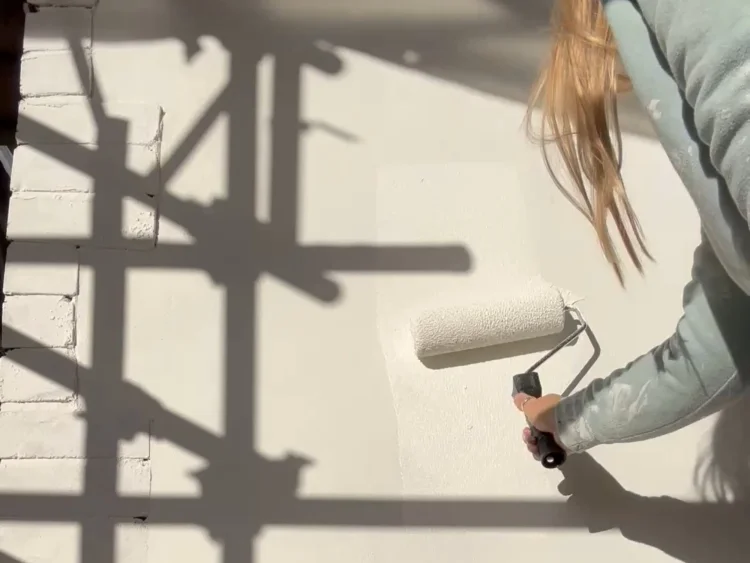
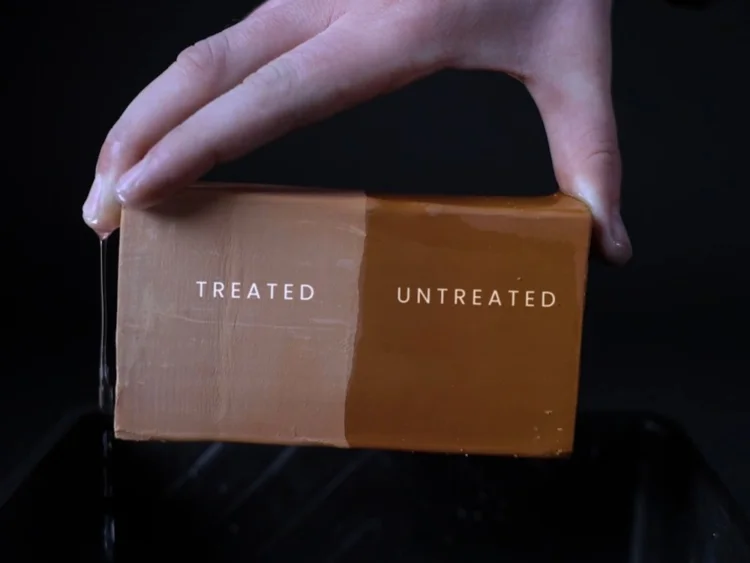
Emperor Masonry Creme is a one-coat treatment that can be applied using a brush or roller. As it’s completely invisible, it will not alter the appearance of brickwork, but it creates a super hydrophobic surface that completely repels water, while maintaining full breathability.
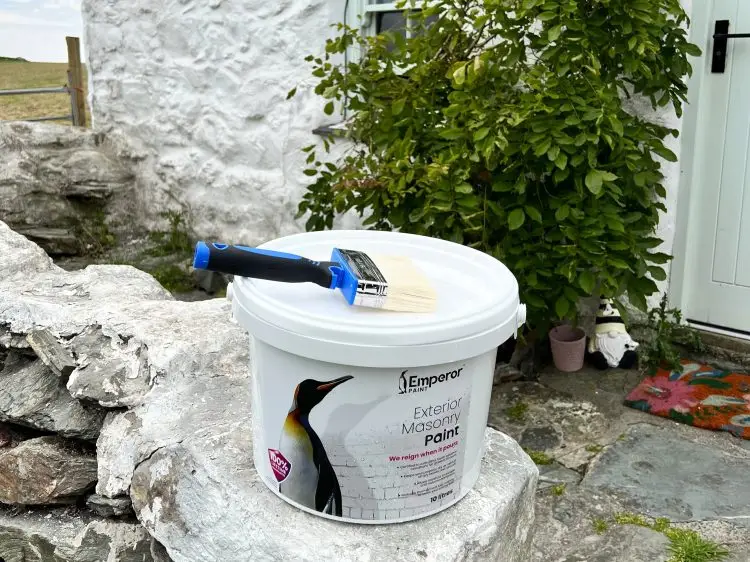
Emperor Masonry Paint is applied in the same way as standard masonry paint, using a two-coat process. It delivers the same super hydrophobic, highly breathable performance as the Masonry Creme, but with a coloured finish that transforms and protects exterior walls at the same time.
Learn more here: How nano-technology works
Frequently Asked Questions
Can sulphate attack be dangerous?
Not immediately, but if left untreated, it can become a structural problem. Early signs are mainly cosmetic, but over time, the reaction can weaken mortar, distort brickwork and affect the stability of the wall.
Can sulphate attack be stopped?
Yes. Removing the source of moisture and protecting the wall is key. Using paint that can breathe naturally, fixing leaks, improving drainage and using sulphate-resistant repair materials can help stop it progressing.
Does the weather affect the risk?
Absolutely. Areas with high rainfall, flooding or persistent damp conditions are more prone to sulphate attacks because moisture acts as the carrier for salts.
Can sulphate attack happen on any type of property?
It’s most common in older brick, concrete or mortar constructions, especially where walls are exposed to long-term moisture. Newer homes with modern materials are generally less at risk.
Can rising damp cause sulphate attack?
Yes, rising damp can transport sulphates from the soil into masonry, making it a common pathway for damage.
Will the problem stop if the wall dries out?
Drying the wall will slow or stop the reaction, but it won’t reverse damage already done. Repairs will still be required.
Need more guidance? Our experts are here to help identify the issue and recommend the best solution to protect your home from sulphate attack. Contact us at [email protected] or call 01254 936121.
Want a clearer picture of your exterior walls? Take our wall health check to see how your walls are performing and get tailored advice on the most effective way to protect them.